Apr 29,2026
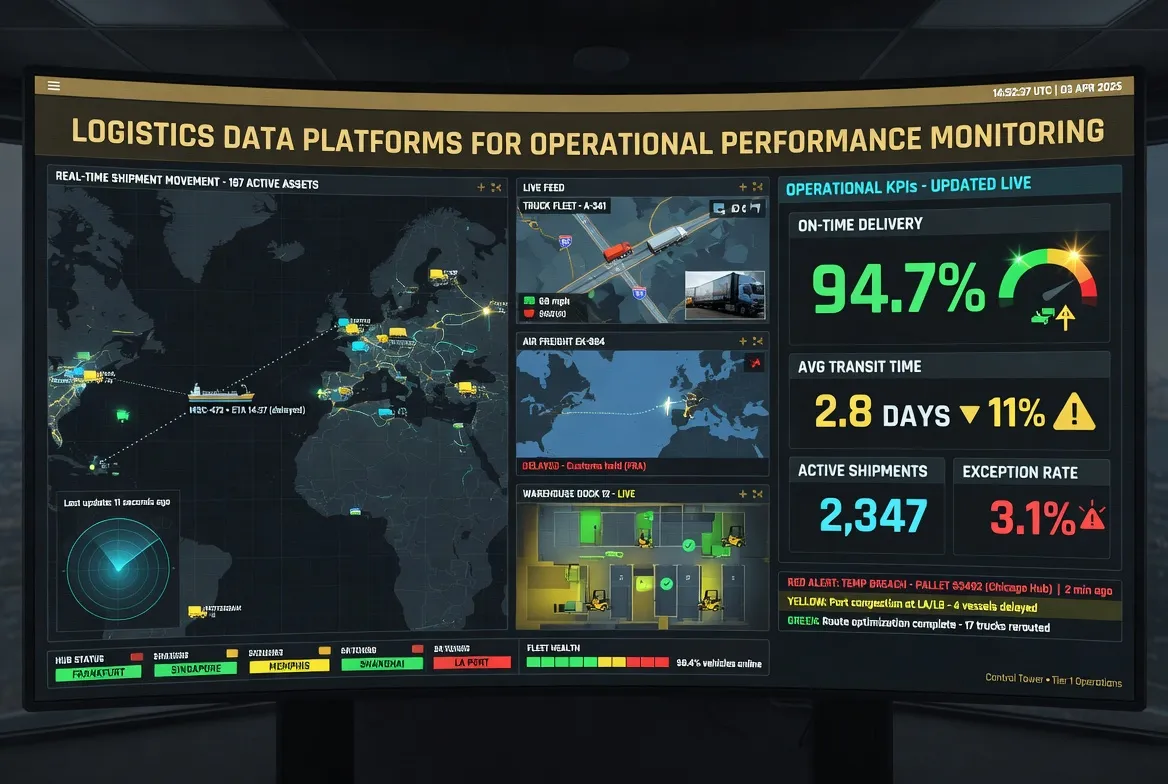
Logistics Data Platforms for Operational Performance Monitoring
Introduction
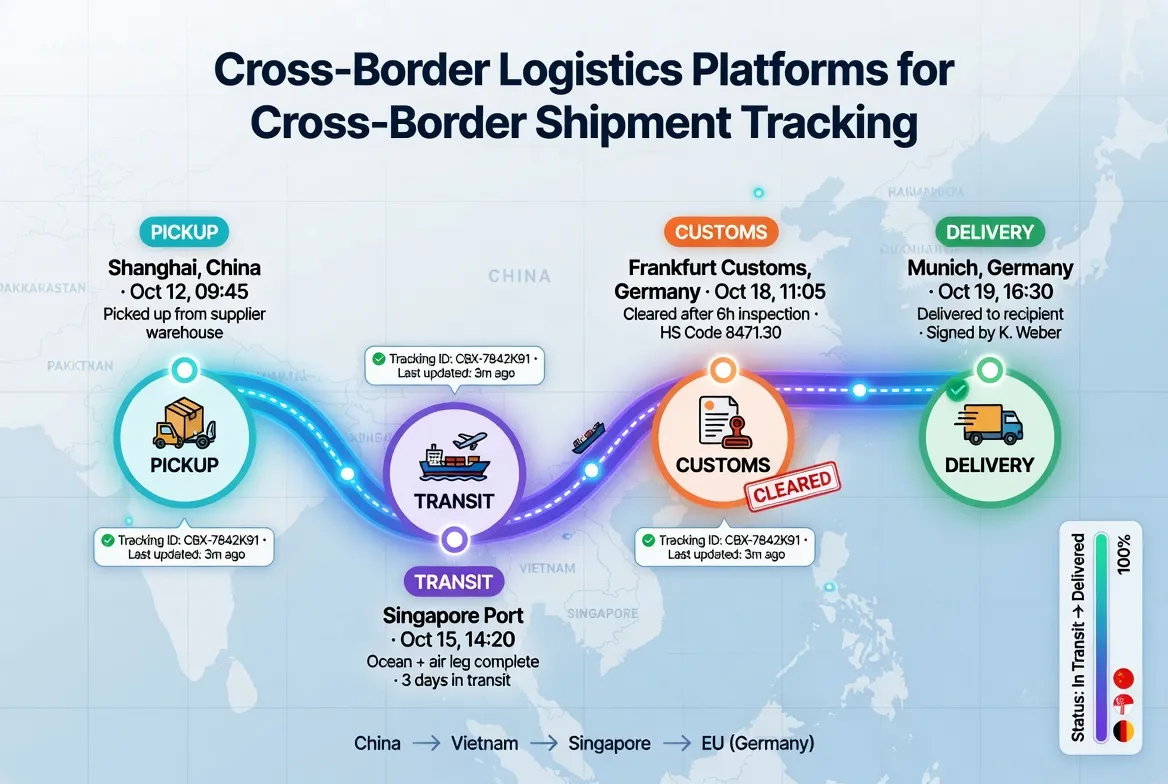
Shipment tracking aggregation in logistics platforms refers to the process of collecting, standardizing, and consolidating tracking data from multiple carriers, systems, and transport segments into a single unified timeline. Instead of checking separate tracking systems for each carrier or leg, logistics companies can view end-to-end shipment status in one place. This capability is essential in modern logistics operations, where shipments often involve multiple partners, fragmented systems, and diverse data sources.
In global supply chains, especially for freight forwarders, 3PL providers, and cross-border eCommerce logistics companies, tracking aggregation enables better visibility, faster decision-making, and more efficient collaboration across stakeholders.
What is Shipment Tracking Aggregation
Shipment tracking aggregation is a system capability that integrates tracking information from multiple logistics providers and operational nodes into a centralized view.
A typical international shipment may involve:
Origin pickup by a local carrier
Line-haul transport (air, ocean, or rail)
Customs clearance processes
Destination handling and last-mile delivery
Each stage may be handled by different partners, each with its own tracking system. Aggregation brings all these data points together.
Key characteristics include:
Multi-source data integration: APIs, EDI, carrier systems, and manual inputs
Standardized tracking events: Converting different formats into unified milestones
End-to-end visibility: A single timeline from origin to final delivery
Real-time updates: Continuous synchronization across systems
For example, logistics platforms can integrate tracking from 150+ last-mile carriers and combine them into one consistent shipment view .
Why Shipment Tracking Aggregation Matters
1. Eliminates Fragmented Visibility
Without aggregation, teams must log into multiple carrier systems or rely on emails and spreadsheets. This leads to:
Delayed updates
Inconsistent information
Increased manual workload
Aggregation provides a single source of truth.
2. Enables Proactive Exception Management
When tracking data is unified:
Delays can be detected earlier
Exception alerts can be triggered automatically
Teams can respond before customers escalate issues
3. Improves Customer Experience
Customers increasingly expect real-time tracking. Aggregation allows:
Self-service tracking portals
Consistent shipment status updates
Transparent communication
4. Supports Multi-role Collaboration
Different roles—sales, operations, customer service, and partners—can all access the same tracking data, improving coordination across the supply chain.
How Shipment Tracking Aggregation Works
Shipment tracking aggregation typically follows a structured process:
1. Data Collection
The system gathers tracking data from multiple sources:
Carrier APIs (e.g., DHL, FedEx, UPS)
Freight systems (airlines, shipping lines)
Third-party tracking platforms
Manual updates or batch uploads
2. Data Normalization
Different carriers use different formats and terminology. The system:
Standardizes tracking events (e.g., “Departed Facility” vs “Left Hub”)
Maps events to predefined milestones
3. Milestone Mapping
Tracking events are aligned to a unified shipment lifecycle, such as:
Pickup
Departure
In transit
Arrival at destination
Out for delivery
Delivered
This creates a milestone-based tracking structure.
4. Timeline Consolidation
All events are merged into a single chronological timeline, providing:
A complete shipment journey
Visibility across all transport legs
5. Real-Time Updates & Alerts
The system continuously updates tracking data and can:
Trigger delay alerts
Notify stakeholders
Update dashboards and customer portals
Key Features / Key Capabilities
Modern logistics platforms typically offer the following tracking aggregation capabilities:
Multi-carrier integration
Connect with global carriers and logistics partnersEnd-to-end shipment visibility
View the full lifecycle of shipments in one interfaceMilestone-based tracking
Standardized events across different transport modesAutomated tracking updates
Real-time data synchronization from multiple sourcesException management
Configurable alerts based on delays or missing milestonesUnified tracking portal
Customer-facing tracking pages with consistent dataManual and automated data input
Combine system integrations with manual updates where neededCollaboration enablement
Shared visibility across internal teams and external partners
Benefits for Logistics Companies
1. Operational Efficiency
Reduce time spent checking multiple systems
Minimize manual tracking updates
Streamline workflows
2. Better Decision-Making
Access real-time shipment data
Identify bottlenecks quickly
Optimize routing and carrier selection
3. Enhanced Collaboration
Align internal teams and external partners
Improve communication across the supply chain
Reduce misunderstandings
4. Improved Financial Control
With integrated tracking and operational data:
Billing and cost tracking can be aligned with shipment milestones
Discrepancies can be identified earlier
5. Scalability
As shipment volume grows, aggregated tracking allows companies to manage operations without proportional increases in manpower.
Best Practices / Use Cases
Use Case 1: Cross-Border eCommerce Logistics
Platforms handling high parcel volumes rely on aggregation to:
Track shipments across multiple last-mile carriers
Provide unified tracking to end customers
Manage exceptions at scale
Use Case 2: Freight Forwarders Managing Multi-Modal Transport
Forwarders use aggregation to:
Combine ocean, air, and land tracking
Monitor shipments across multiple legs
Maintain visibility across partners
Use Case 3: 3PL Providers with Global Networks
3PLs benefit from:
Centralized tracking dashboards
Multi-client visibility
Improved service-level performance
Best Practices
Integrate with as many carriers as possible via APIs
Standardize milestone definitions across operations
Implement automated alerts for key events
Provide customer-facing tracking portals
Ensure data accuracy through validation and reconciliation
Conclusion
Shipment tracking aggregation is a critical capability in modern logistics platforms, enabling companies to unify fragmented tracking data into a single, real-time view. By consolidating information from multiple carriers and transport segments, logistics providers can improve visibility, enhance collaboration, and respond more effectively to operational challenges.
As global supply chains become more complex, aggregated tracking is no longer optional—it is essential for delivering reliable, transparent, and scalable logistics services.
Frequently Asked Questions
What is shipment tracking aggregation in logistics?
Shipment tracking aggregation is the process of collecting and consolidating tracking data from multiple carriers and systems into a single unified timeline, enabling end-to-end shipment visibility.
How does shipment tracking aggregation work?
It works by integrating data from different sources, standardizing tracking events, mapping them to milestones, and presenting them in a unified timeline with real-time updates.
Why is shipment tracking aggregation important?
It improves visibility, reduces manual work, enables proactive issue management, and enhances customer experience by providing consistent tracking information.
What are the benefits of tracking aggregation for logistics companies?
Benefits include improved efficiency, better decision-making, enhanced collaboration, scalable operations, and more accurate tracking and reporting.
Can tracking aggregation support multi-carrier logistics operations?
Yes, it is specifically designed to integrate multiple carriers and transport modes, making it ideal for complex, global logistics operations.
About WallTech
WallTech provides digital logistics solutions designed to support global freight forwarders, 3PL providers, and cross-border logistics companies. Its platforms enable end-to-end logistics collaboration, allowing multiple roles and partners to work within a unified system. With real-time shipment visibility, milestone-based tracking, and integrated data flows, logistics teams can monitor operations more effectively. Automation capabilities such as workflow automation, AI-assisted data recognition, and financial processes like billing and reconciliation help reduce manual work and improve operational efficiency.
If you're exploring ways to improve your logistics operations, feel free to connect with us to learn more about our solutions and system capabilities.
.webp "Warehouse Automation Platforms")