Mar 30,2026
Why Exception Visibility Matters in Shipment Operations
Introduction
Logistics platforms improve operational productivity by automating repetitive tasks, streamlining workflows, and enabling real-time collaboration and visibility across the entire logistics lifecycle. By replacing manual processes with system-driven execution and integrating data across departments and partners, these platforms allow logistics companies to handle more shipments with the same or fewer resources while maintaining accuracy and service quality.
For freight forwarders, 3PL providers, and cross-border eCommerce logistics companies, improving productivity is critical to staying competitive in an environment characterized by rising shipment volumes, increasing complexity, and cost pressures.
What is Operational Productivity in Logistics?
Operational productivity in logistics refers to the efficiency with which resources—such as time, labor, and systems—are used to process shipments and deliver services.
It is typically measured by:
Number of shipments processed per employee
Time required to complete operational tasks
Accuracy of data and execution
Speed of response to customers and partners
Cost per shipment
High productivity means achieving more output (shipments, tasks completed) with fewer inputs (time, labor, cost).
Why Operational Productivity Matters
Low productivity in logistics operations often results from:
Manual and repetitive tasks consuming time
Fragmented systems causing data duplication
Inefficient workflows leading to delays
Poor visibility limiting decision-making
Heavy reliance on human coordination
Improving productivity is essential because it:
Reduces operational costs
Increases throughput without increasing headcount
Enhances service speed and reliability
Improves customer satisfaction
Enables scalable business growth
How Logistics Platforms Improve Operational Productivity
Logistics platforms enhance productivity by optimizing how work is executed, managed, and monitored.
1. Automation of Repetitive Tasks
Platforms automate routine tasks such as:
Data entry and document processing
Shipment status updates
Task assignment and workflow progression
Invoice generation and reconciliation
This reduces time spent on low-value activities.
2. Workflow Optimization and Standardization
Structured workflows ensure:
Consistent execution of processes
Clear task sequencing and dependencies
Reduced delays caused by manual handovers
This improves efficiency and reduces operational friction.
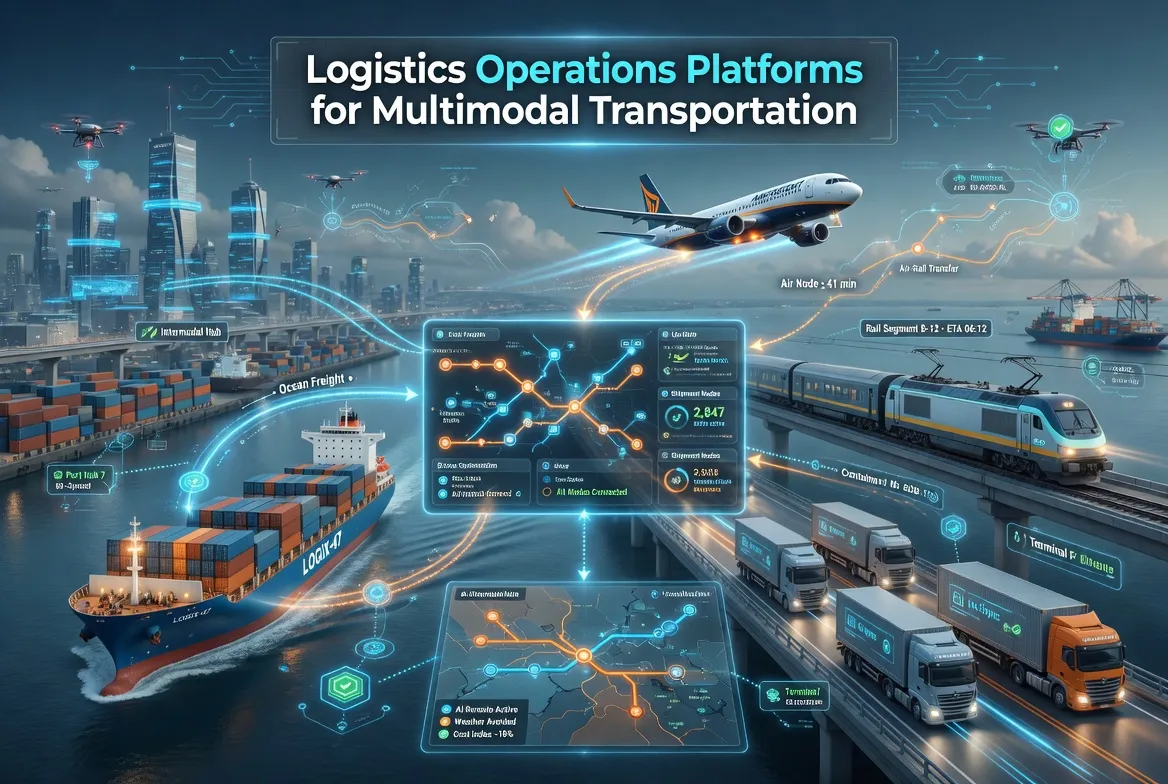
3. Real-Time Visibility and Monitoring
Logistics platforms provide:
End-to-end shipment tracking
Milestone-based updates across all stages
Unified dashboards for operational oversight
This enables faster decision-making and proactive issue resolution.
4. Multi-Role Collaboration
Platforms connect:
Sales teams
Operations teams
Finance departments
External partners (carriers, warehouses, agents, customers)
Through a shared system:
Communication becomes more efficient
Information is synchronized in real time
Coordination is streamlined
5. Centralized Data Management
All operational data is managed within a single system:
Eliminates duplicate data entry
Ensures consistency across departments
Provides a single source of truth
This reduces administrative workload and improves accuracy.
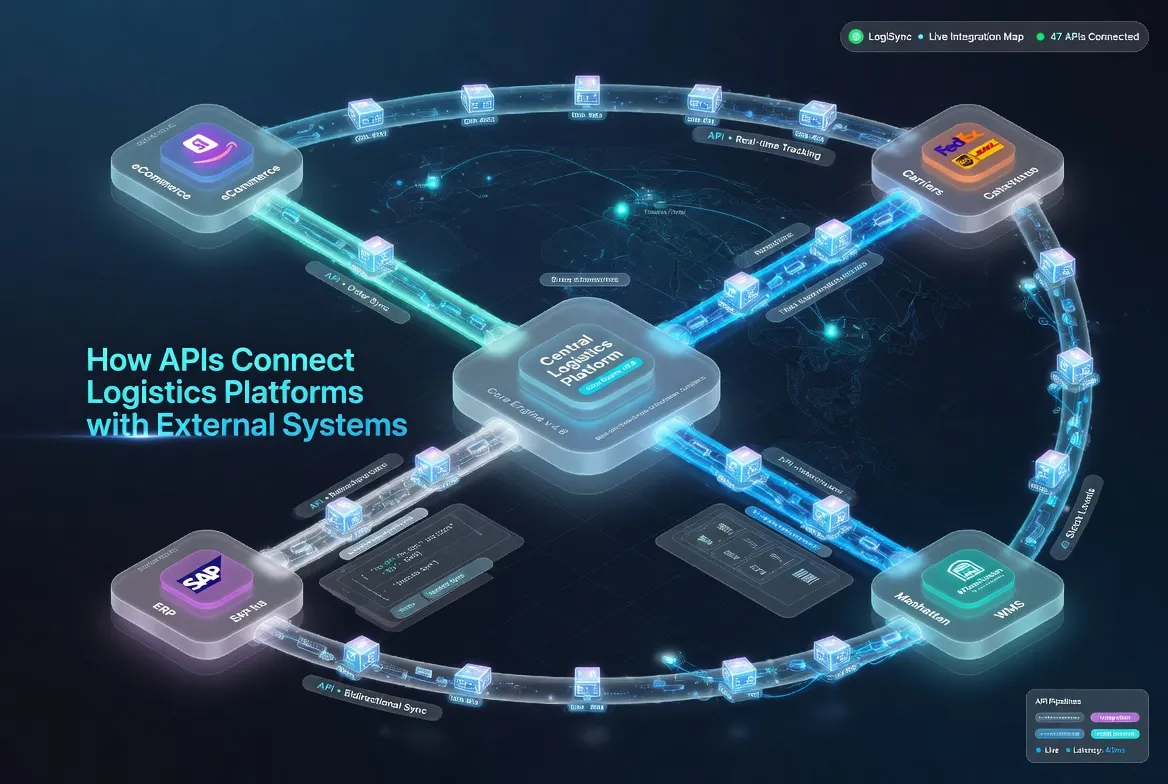
6. Integration with External Systems
Logistics platforms integrate with:
ERP systems
WMS platforms
Carrier tracking systems
eCommerce platforms
Through API and EDI connections:
Data flows automatically between systems
Manual data transfer is eliminated
Processes are synchronized across platforms
7. Financial Process Automation
Automation extends to financial operations:
Automatic cost calculation
Invoice generation based on workflow triggers
Accounts receivable and payable tracking
Automated reconciliation
This reduces manual effort and accelerates financial cycles.
Key Features / Key Capabilities
Logistics platforms that improve productivity typically include:
Workflow automation engines
AI-based document and data processing
End-to-end shipment visibility
Multi-role collaboration tools
Centralized data management systems
Automated financial workflows
API/EDI integration capabilities
Real-time dashboards and analytics
These capabilities collectively enhance operational efficiency and productivity.
Benefits for Logistics Companies
1. Higher Throughput
More shipments processed per employee
Increased operational capacity
2. Reduced Operational Costs
Lower labor costs due to automation
Improved resource utilization
3. Improved Accuracy
Fewer errors in data entry and processing
Consistent execution of workflows
4. Faster Response Times
Quicker handling of customer inquiries
Faster resolution of operational issues
5. Enhanced Scalability
Ability to grow operations without proportional increase in resources
Best Practices / Use Cases
1. Freight Forwarders
Increase shipment handling capacity without expanding teams
Improve coordination with global partners
2. 3PL Providers
Manage multiple clients efficiently within one platform
Automate billing and reporting processes
3. Cross-Border eCommerce Logistics
Handle high-volume order processing
Provide real-time tracking updates to customers
4. Multi-Branch Logistics Organizations
Improve productivity across different offices
Standardize operations globally
Conclusion
Logistics platforms improve operational productivity by transforming manual, fragmented workflows into automated, integrated, and data-driven processes. By enabling real-time visibility, seamless collaboration, and efficient task execution, these platforms allow logistics companies to achieve higher output with fewer resources.
In a competitive logistics environment, improving productivity is not just an advantage—it is a necessity for sustainable growth and operational excellence.
Frequently Asked Questions
What is operational productivity in logistics?
Operational productivity refers to how efficiently logistics resources are used to process shipments and deliver services, often measured by output per employee and task completion time.
How do logistics platforms improve productivity?
They automate repetitive tasks, optimize workflows, provide real-time visibility, and enable better collaboration across stakeholders.
Why is productivity important in logistics operations?
It reduces costs, increases throughput, improves service quality, and enables companies to scale efficiently.
What are the benefits of improving logistics productivity?
Benefits include faster operations, lower costs, improved accuracy, better customer service, and enhanced scalability.
About WallTech
WallTech provides digital logistics solutions designed to help freight forwarders, 3PL providers, and cross-border eCommerce logistics companies improve operational productivity. Its platforms enable end-to-end logistics collaboration by connecting multiple roles and stakeholders within a unified system. With real-time shipment visibility supported by milestone-based tracking, along with workflow and financial automation capabilities such as automated billing and reconciliation, WallTech helps logistics companies enhance efficiency, reduce manual workload, and scale operations effectively in complex global logistics environments.
If you're exploring ways to improve your logistics operations, feel free to connect with us to learn more about our solutions and system capabilities.