

Jul 10,2023
eTower (WallTech) was Invited to the First New Land-Sea Trade Corridor and Trans-Eurasian Supply Chain Development Summit
Introduction
Logistics platforms enable self-service shipment tracking by providing customers with direct, real-time access to shipment data through digital interfaces such as customer portals or tracking dashboards. Instead of relying on manual updates from operations teams, customers can independently check shipment status, milestones, and exceptions at any time.
This capability is increasingly essential for freight forwarders, 3PLs, and cross-border logistics providers aiming to improve efficiency, reduce communication overhead, and deliver a modern customer experience.
What Is Self-Service Shipment Tracking
Self-service shipment tracking is a functionality that allows customers to monitor their shipments without contacting the logistics provider.
Through a logistics platform, customers can:
View shipment status in real time
Track milestones across ocean, air, land, and express shipments
Monitor delays or exceptions
Access shipment timelines and historical records
The key difference from traditional tracking is that customers are empowered to retrieve information themselves, rather than requesting updates.
Why Self-Service Tracking Matters
1. Reduces Customer Inquiries
Customers no longer need to send emails or make calls for shipment updates.
2. Improves Operational Efficiency
Operations teams spend less time responding to repetitive tracking requests.
3. Enhances Transparency
Customers gain full visibility into shipment progress.
4. Improves Customer Satisfaction
Instant access to information increases trust and convenience.
5. Supports Scalable Operations
As shipment volumes grow, self-service tracking ensures customer service remains efficient.
How Logistics Platforms Enable Self-Service Tracking
1. Centralized Data Integration
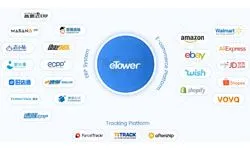
Logistics platforms integrate data from multiple sources:
Carrier tracking systems
Internal operations systems
Warehouse and transportation systems
This creates a unified data source for accurate tracking.
2. Real-Time Data Synchronization
Shipment updates are automatically reflected in the platform as events occur:
Departure and arrival updates
Customs clearance status
Delivery confirmations
This ensures customers always see the latest information.
3. Customer Portal Access
Customers access tracking data through secure portals or dashboards, where they can:
Search by shipment number or order ID
View detailed shipment timelines
Access supporting documents
4. Milestone-Based Tracking
Modern platforms organize tracking data into milestones:
Booking confirmed
Cargo received
In transit
Customs cleared
Delivered
This provides a structured and easy-to-understand view of shipment progress.
5. Automation and Notifications
Logistics systems enhance tracking with:
Automated status updates
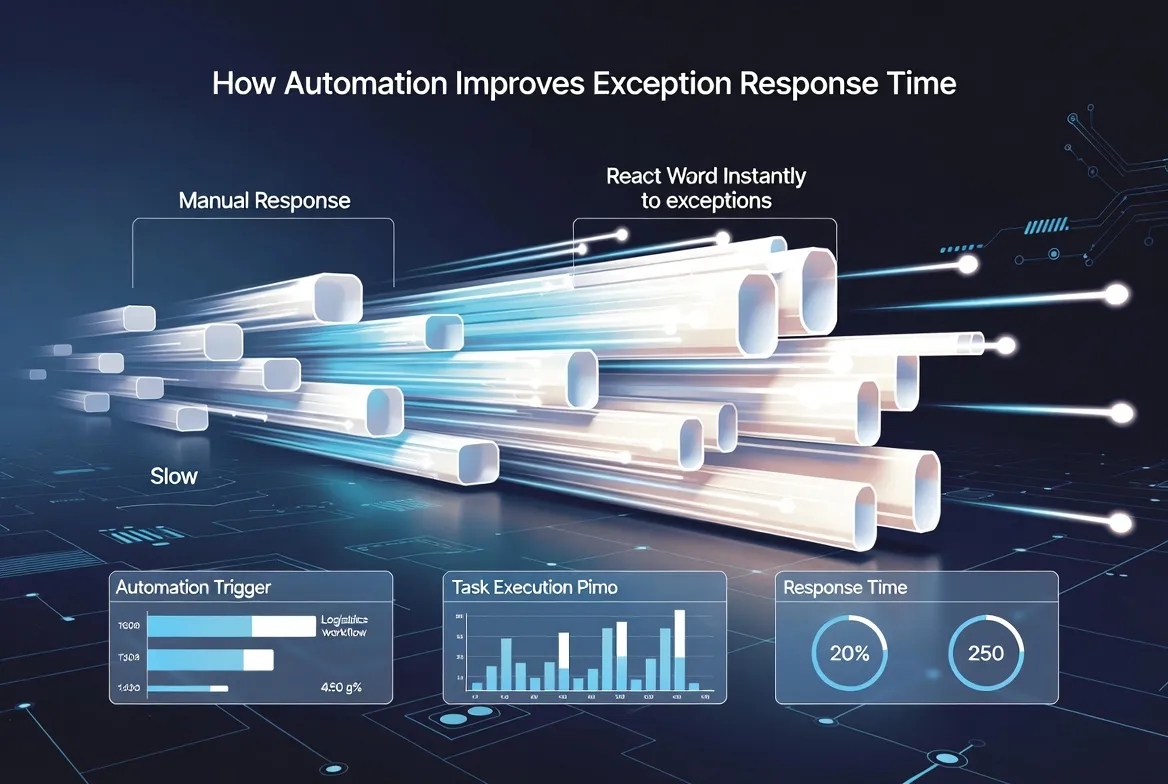
Exception alerts for delays or issues
AI-driven data recognition to improve tracking accuracy
6. Multi-Role Collaboration
Self-service tracking is supported by synchronized data across:
Sales teams
Operations teams
Documentation teams
Customers and partners
All stakeholders access the same information, ensuring consistency.
Key Features of Self-Service Tracking in Logistics Platforms
Real-time shipment updates
Immediate visibility into shipment statusUnified tracking timeline
End-to-end view across all transport modesSearch and filtering capabilities
Easy access to shipment dataException alerts and notifications
Proactive updates on delays or issuesDocument access
Availability of shipment-related documentsSecure customer access
Controlled visibility based on user roles
Benefits for Logistics Companies
1. Reduced Workload for Operations Teams
Teams spend less time handling tracking inquiries.
2. Improved Data Accuracy
Tracking data comes directly from integrated systems, reducing manual errors.
3. Enhanced Customer Experience
Customers receive instant and reliable information.
4. Increased Efficiency
Automation reduces repetitive tasks and improves workflow speed.
5. Better Collaboration
All stakeholders work with consistent, real-time data.
Best Practices / Use Cases
1. Provide Multi-Mode Tracking
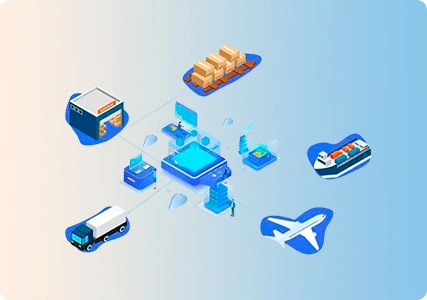
Ensure tracking covers ocean, air, land, and express shipments in one platform.
2. Enable Customer Portal Access
Offer a simple and secure interface for customers to track shipments.
3. Implement Milestone-Based Tracking
Organize shipment progress into clear, structured milestones.
4. Use Automated Notifications
Alert customers proactively about key updates and exceptions.
5. Integrate Multiple Data Sources
Combine carrier data, internal data, and partner data for comprehensive tracking.
Conclusion
Self-service shipment tracking is a key capability of modern logistics platforms. By enabling customers to access real-time shipment data independently, logistics companies can reduce operational workload, improve transparency, and enhance customer satisfaction.
As logistics operations continue to scale and digitalize, self-service tracking will become a standard expectation across the industry.
Frequently Asked Questions
What is self-service shipment tracking?
It allows customers to track shipments independently through a logistics platform without contacting the provider.
How do logistics platforms enable self-service tracking?
They integrate multiple data sources and provide real-time updates through customer portals.
Why is self-service tracking important?
It improves efficiency, reduces manual work, and enhances customer experience.
What features support self-service tracking?
Real-time updates, milestone tracking, notifications, and secure customer access.
What are the benefits of self-service tracking?
Reduced workload, improved accuracy, better transparency, and scalable operations.
About WallTech
WallTech provides digital logistics solutions designed to enable self-service shipment tracking through integrated platforms. By connecting multiple systems and stakeholders, the platform delivers end-to-end visibility with milestone-based tracking across global shipments. Customers and internal teams access the same real-time data within a unified environment, supporting seamless collaboration. In addition, the system incorporates automation capabilities such as AI-driven data recognition, workflow automation, and automated billing and reconciliation, helping logistics companies improve efficiency while delivering transparent and responsive customer experiences.
If you're exploring ways to improve your logistics operations, feel free to connect with us to learn more about our solutions and system capabilities.
.webp "Key Features of Logistics Technology Platforms")