Apr 29,2026
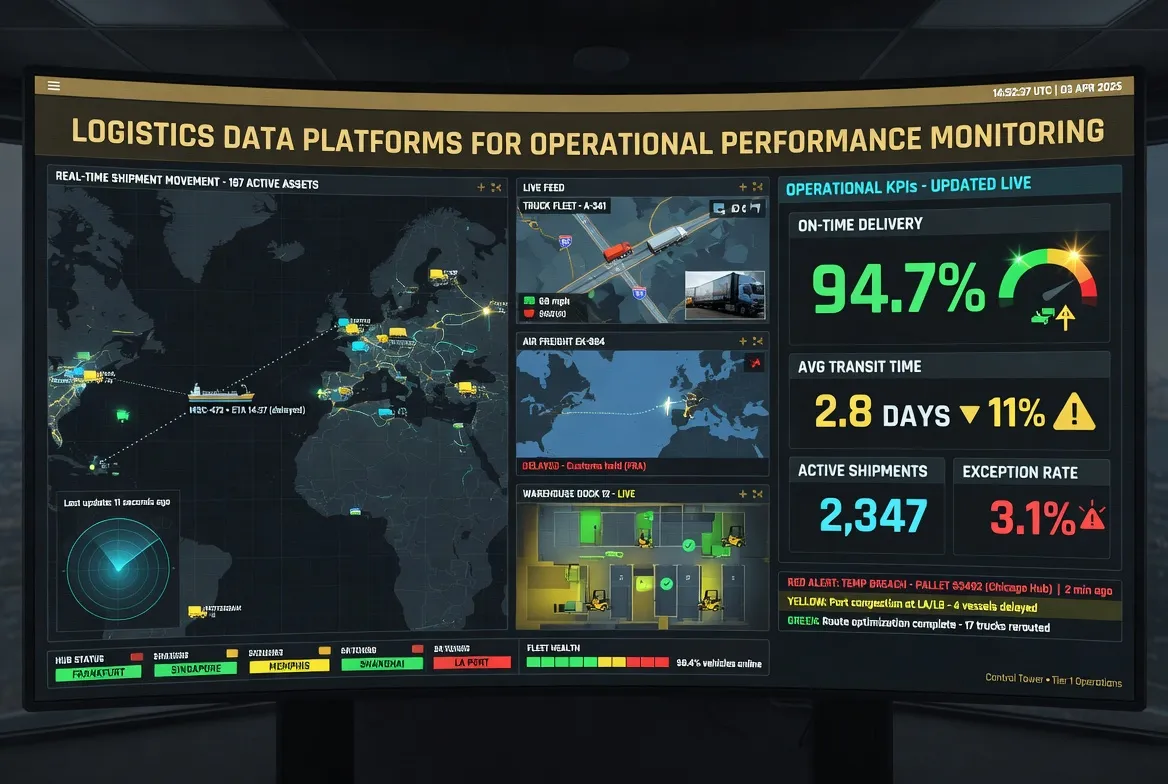
Logistics Data Platforms for Operational Performance Monitoring
Introduction
Exception tracking in shipment operations is the process of continuously monitoring logistics activities to identify and manage disruptions such as delays, missed milestones, or data inconsistencies. It matters because it enables logistics companies to detect issues early, respond proactively, and maintain operational control across complex supply chains. Without effective exception tracking, shipment operations become reactive, inefficient, and prone to service failures.
In today’s global logistics environment—where freight forwarders, 3PLs, and cross-border eCommerce providers manage high shipment volumes across multiple partners—exceptions are unavoidable. The key differentiator is not whether exceptions occur, but how quickly and effectively they are detected and resolved.
What is Exception Tracking in Shipment Operations
Exception tracking refers to the systematic identification and monitoring of deviations from planned shipment processes.
In practical terms, this means:
Comparing planned shipment milestones with actual execution
Identifying delays, disruptions, or irregularities
Triggering alerts when predefined conditions are not met
Examples of exceptions include:
A shipment missing its scheduled departure
Customs clearance taking longer than expected
Incorrect or incomplete shipping documents
Unexpected route changes or carrier issues
Delays in final delivery
Exception tracking transforms raw operational data into actionable insights, allowing logistics teams to focus on issues that require attention.
Why Exception Tracking Matters
Exception tracking is critical because logistics operations are highly dynamic and involve multiple stakeholders, systems, and geographies.
1. Prevents Reactive Operations
Without exception tracking, teams often discover issues too late—after customers report problems or deadlines are missed. Exception tracking enables early detection, allowing proactive intervention.
2. Improves Operational Visibility
In fragmented logistics environments, data is scattered across systems and partners. Exception tracking consolidates this information into a unified view, highlighting only the shipments that require attention.
3. Enhances Customer Experience
Customers expect transparency and timely updates. By identifying issues early, logistics providers can communicate proactively and maintain trust.
4. Reduces Operational Risk
Unmanaged exceptions can lead to financial losses, penalties, and reputational damage. Exception tracking helps mitigate these risks by ensuring timely resolution.
5. Increases Efficiency
Instead of manually checking every shipment, teams can focus only on exceptions, significantly reducing workload and improving productivity.
How Exception Tracking Works
Modern exception tracking relies on digital logistics platforms that integrate data, automate monitoring, and enable real-time alerts.
Step 1: Data Integration
Shipment data is collected from various sources:
Carrier systems
Warehouse operations
Customs platforms
Internal logistics systems
This creates a centralized data environment.
Step 2: Milestone Definition
Each shipment is mapped against predefined milestones, such as:
Booking confirmation
Cargo pickup
Departure and arrival
Customs clearance
Final delivery
These milestones represent the expected shipment lifecycle.
Step 3: Continuous Monitoring
The system continuously tracks actual shipment progress and compares it with planned timelines.
Step 4: Exception Detection
Exceptions are identified when:
A milestone is delayed or skipped
Data discrepancies occur
External disruptions impact shipment flow
Step 5: Alerts and Notifications
Automated alerts are triggered and sent to relevant stakeholders, ensuring immediate awareness.
Step 6: Resolution and Collaboration
Teams collaborate across roles—operations, customer service, documentation, and finance—to resolve issues efficiently within a shared platform.
Key Features of Exception Tracking Systems
Effective exception tracking systems include the following capabilities:
End-to-end shipment visibility
Real-time tracking across all transport modes within a unified timelineMilestone-based tracking
Structured monitoring of shipment progress against predefined stagesConfigurable alert mechanisms
Customizable rules for triggering notifications based on delays or anomaliesMulti-role collaboration
Seamless coordination between internal teams and external partnersWorkflow automation
Automated task assignment and escalation for exception handlingAI-powered data recognition
Automated extraction of shipment data from documents to reduce manual inputCentralized dashboards
Real-time overview of all active exceptions and operational performanceFinancial integration
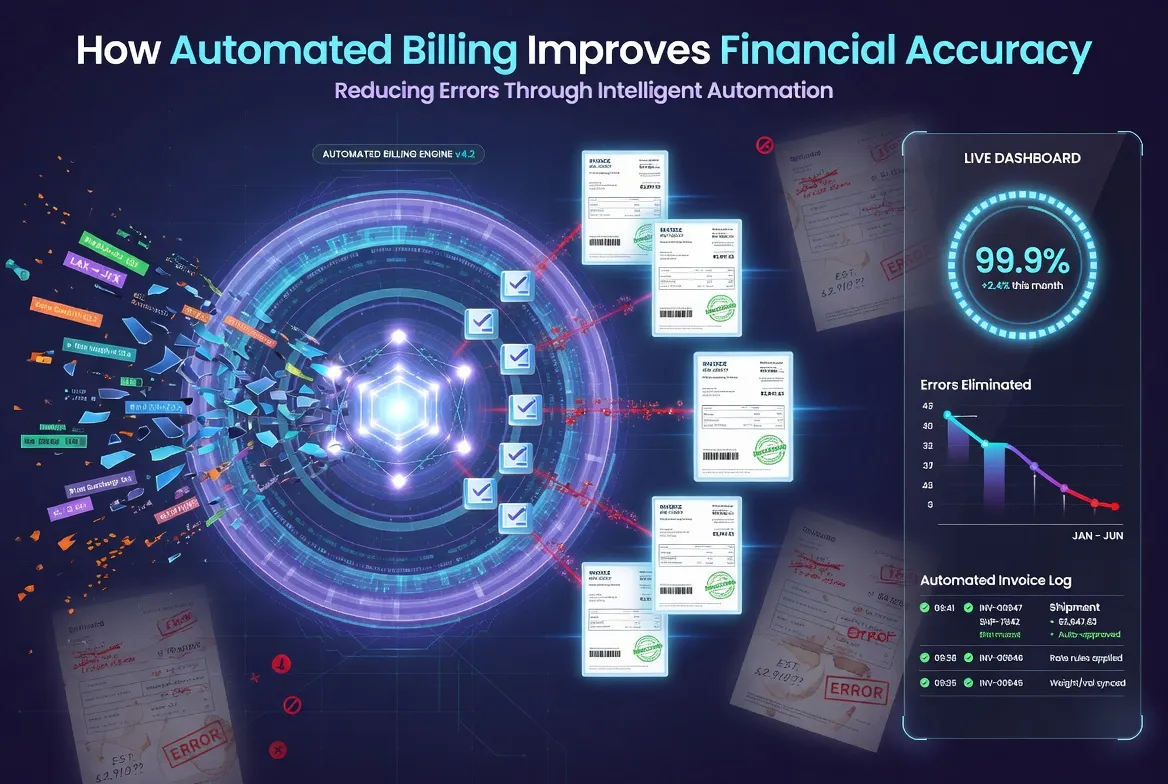
Detection of billing discrepancies and automated reconciliation processes
These features enable logistics companies to manage exceptions at scale with greater accuracy and efficiency.
Benefits for Logistics Companies
Improved Efficiency
Teams spend less time on manual tracking and more time resolving critical issues.
Faster Issue Resolution
Real-time alerts allow immediate action, reducing delays and operational disruptions.
Enhanced Visibility
A unified system provides a clear view of shipment status and exceptions across the entire supply chain.
Better Customer Satisfaction
Proactive communication and faster resolution improve service quality and customer trust.
Reduced Costs and Risks
Early detection minimizes financial losses, penalties, and operational inefficiencies.
Best Practices / Use Cases
Standardize Exception Definitions
Clearly define what constitutes an exception to ensure consistency across operations.
Implement Milestone-Based Tracking
Use structured milestones to monitor shipment progress accurately.
Automate Monitoring and Alerts
Reduce manual effort by configuring automated exception detection and notifications.
Enable Cross-Team Collaboration
Ensure all stakeholders can access and act on exception data within a shared system.
Leverage Data for Optimization
Analyze exception patterns to identify root causes and improve processes.
Common use cases include:
Monitoring delays in international freight shipments
Managing customs clearance exceptions
Handling last-mile delivery disruptions in eCommerce logistics
Tracking SLA compliance for key clients
Conclusion
Exception tracking is a foundational capability in modern shipment operations. It enables logistics companies to detect disruptions early, respond proactively, and maintain control over complex, multi-party supply chains.
By combining real-time visibility, automation, and collaborative workflows, exception tracking transforms logistics operations from reactive problem-solving into proactive, data-driven management.
Frequently Asked Questions
What is exception tracking in logistics?
Exception tracking is the process of identifying and monitoring deviations in shipment operations, such as delays or disruptions, to ensure timely resolution.
How does exception tracking work?
It works by comparing planned shipment milestones with actual progress and triggering alerts when deviations occur, enabling teams to take corrective action.
Why is exception tracking important?
It helps improve visibility, reduce risks, enhance customer satisfaction, and ensure efficient logistics operations.
What are common shipment exceptions?
Common exceptions include delays, customs issues, missing documents, route changes, and delivery failures.
What are the benefits of exception tracking systems?
They improve efficiency, enable faster issue resolution, enhance visibility, and reduce operational risks and costs.
About WallTech
WallTech provides digital logistics solutions that help freight forwarders, 3PLs, and cross-border logistics providers manage complex shipment operations with greater efficiency and control. Its platforms support end-to-end collaboration across multiple roles and partners, offering real-time shipment visibility through milestone-based tracking and unified timelines. By integrating workflow automation, AI-driven data recognition, and financial automation such as billing and reconciliation, WallTech enables logistics companies to streamline operations, reduce manual work, and scale their business more effectively.
If you're exploring ways to improve your logistics operations, feel free to connect with us to learn more about our solutions and system capabilities.
.webp "Best Practices for Managing Agent Collaboration")