.webp "How Global Freight Operations Support Global Supply Chains")
Mar 11,2026
How Global Freight Operations Support Global Supply Chains
Introduction
Logistics exception management refers to the process of identifying, monitoring, and resolving disruptions or deviations that occur during shipment operations. These exceptions can include delays, missing documents, damaged goods, customs holds, or unexpected route changes. In modern logistics, exception management is essential for maintaining operational control, minimizing risks, and ensuring service reliability across complex, multi-party supply chains.
As global logistics becomes more interconnected—especially for freight forwarders, 3PLs, and cross-border eCommerce operators—exceptions are no longer rare events. Instead, they are frequent and inevitable. The ability to detect and respond to these issues in real time is what differentiates efficient logistics operations from reactive, error-prone ones.
What is Logistics Exception Management
Logistics exception management is a structured approach to handling irregular events that disrupt the normal flow of shipments.
An “exception” in logistics can include:
Shipment delays or missed milestones
Customs clearance issues
Incorrect or missing documentation
Cargo damage or loss
Route deviations or carrier disruptions
Billing discrepancies or cost anomalies
Rather than treating these issues manually or after the fact, exception management systems monitor shipment activities continuously and flag deviations as soon as they occur.
In digital logistics platforms, exception management is often integrated with milestone-based tracking, enabling companies to compare planned vs. actual shipment progress across a unified timeline.
Why Logistics Exception Management Matters
Exception management is critical because logistics operations are inherently complex and involve multiple stakeholders, systems, and geographies.
Without a structured exception management approach, companies face:
Delayed issue detection
Problems are discovered only after customers complain or deadlines are missedFragmented communication
Teams rely on emails, spreadsheets, or calls, leading to slow response timesOperational inefficiencies
Manual tracking and firefighting consume significant time and resourcesCustomer dissatisfaction
Lack of transparency and delayed updates reduce trustFinancial risks
Missed billing items, penalties, or cost overruns due to unmanaged disruptions
In contrast, effective exception management enables proactive control, ensuring that issues are addressed before they escalate.
How Logistics Exception Management Works
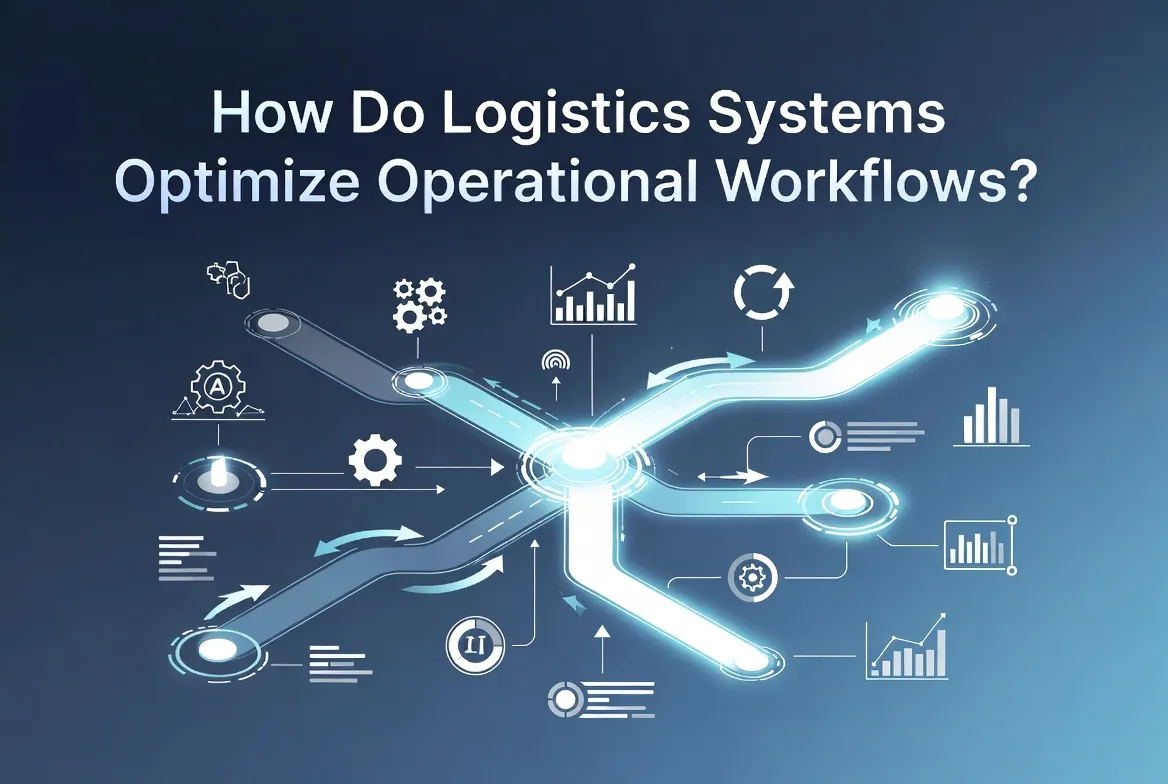
Modern logistics exception management relies on digital platforms that combine data integration, real-time tracking, and automation.
The process typically includes the following steps:
1. Data Collection and Integration
Shipment data is aggregated from multiple sources:
Carrier tracking systems
Warehouse management systems
Customs platforms
Internal operational systems
This creates a centralized data foundation for monitoring.
2. Milestone Definition
Each shipment is mapped with predefined milestones, such as:
Booking confirmed
Cargo picked up
Departure and arrival events
Customs clearance
Final delivery
These milestones form the expected shipment timeline.
3. Exception Detection
The system continuously compares actual events against planned milestones.
Exceptions are triggered when:
A milestone is delayed or missed
Data inconsistencies are detected
External disruptions occur (e.g., port congestion, weather delays)
4. Alert and Notification
Once an exception is detected:
Automated alerts are sent to relevant roles (operations, customer service, etc.)
Notifications can be configured based on severity and priority
5. Resolution and Collaboration
Teams collaborate within the system to:
Assign responsibilities
Take corrective actions
Communicate updates to customers or partners
This multi-role coordination ensures faster and more structured resolution.
Key Features of Logistics Exception Management Systems
Modern exception management systems typically include the following capabilities:
Real-time shipment visibility
End-to-end tracking across all transport modes within a unified timelineMilestone-based monitoring
Automated comparison of planned vs. actual shipment eventsConfigurable alert rules
Custom thresholds for delays, deviations, or risk indicatorsMulti-role collaboration tools
Coordination between sales, operations, documentation, and finance teamsAutomated workflows
Triggered actions such as notifications, task assignments, or escalation processesAI-driven data recognition
Extraction of key shipment data from documents to reduce manual inputException dashboards and analytics
Centralized view of all active issues and performance trendsIntegrated financial controls
Detection of billing anomalies and automated reconciliation processes
These features help logistics companies transition from reactive problem-solving to proactive exception control.
Benefits for Logistics Companies
Implementing logistics exception management delivers measurable operational and strategic benefits:
Improved Operational Efficiency
Automated detection and handling reduce manual workload and streamline processes.
Faster Response Times
Real-time alerts enable teams to act immediately, minimizing delays and disruptions.
Enhanced Customer Experience
Customers receive timely updates and improved transparency through tracking portals and proactive communication.
Reduced Risk and Cost
Early detection of issues helps avoid penalties, reduce losses, and improve financial accuracy.
Better Decision-Making
Centralized data and analytics provide insights into recurring issues and performance bottlenecks.
Best Practices / Use Cases
To maximize the value of exception management, logistics companies should adopt the following best practices:
Standardize Milestones Across Operations
Define consistent shipment milestones across all transport modes and regions to ensure accurate monitoring.
Enable End-to-End Visibility
Integrate data from all systems and partners to avoid blind spots in shipment tracking.
Automate Alerts and Workflows
Reduce reliance on manual monitoring by configuring automated exception triggers and response processes.
Foster Cross-Team Collaboration
Ensure that all relevant roles can access and act on exception data within a shared platform.
Use Data for Continuous Improvement
Analyze exception trends to identify root causes and optimize processes over time.
Typical use cases include:
Managing delays in cross-border eCommerce shipments
Handling customs clearance issues proactively
Coordinating multi-leg international freight shipments
Monitoring SLA compliance for key clients
Conclusion
Logistics exception management is no longer optional in today’s complex supply chains. It provides the structure and visibility needed to detect, manage, and resolve disruptions efficiently.
By combining real-time tracking, automation, and collaborative workflows, logistics companies can shift from reactive firefighting to proactive operational control—ultimately improving service reliability, efficiency, and customer satisfaction.
Frequently Asked Questions
What is logistics exception management?
Logistics exception management is the process of identifying and resolving disruptions or deviations in shipment operations. It involves monitoring shipment progress and addressing issues such as delays, documentation errors, or route changes.
How does logistics exception management work?
It works by tracking shipment milestones, comparing planned vs. actual events, and triggering alerts when deviations occur. Teams then collaborate to resolve issues using structured workflows.
Why is exception management important in logistics?
It helps reduce delays, improve visibility, and enhance customer satisfaction. Without it, companies rely on reactive processes that increase risks and inefficiencies.
What are common logistics exceptions?
Common exceptions include shipment delays, customs issues, missing documents, cargo damage, and billing discrepancies.
What are the benefits of using an exception management system?
Benefits include faster issue resolution, improved operational efficiency, better customer communication, and reduced financial risks.
About WallTech
WallTech provides digital logistics solutions designed to support freight forwarders, 3PLs, and cross-border logistics operators in managing complex global operations. Its platforms enable end-to-end logistics collaboration across multiple roles and partners, offering real-time shipment visibility through milestone-based tracking and unified timelines. By integrating workflow automation, AI-driven data recognition, and financial process automation such as billing and reconciliation, WallTech helps logistics companies improve operational efficiency, reduce manual work, and scale their business with greater control and transparency.
If you're exploring ways to improve your logistics operations, feel free to connect with us to learn more about our solutions and system capabilities.
.webp "What Is a Freight Profit Management System?")