



Apr 16,2026
How Data Integration Improves Supply Chain Visibility
Modern logistics operations generate a large amount of operational data. Shipment orders, transportation updates, warehouse activities, financial transactions, and customer communications all contribute to the information flow within supply chains.
However, collecting data alone does not guarantee operational efficiency. The real value comes from visibility—being able to access, understand, and act on logistics data in a timely and structured way.
Data visibility has become one of the most important capabilities in modern logistics management, helping companies monitor operations, improve coordination, and make more informed decisions.
Understanding Data Visibility in Logistics
Data visibility refers to the ability to access and monitor operational information across different stages of the logistics process. This includes data related to shipments, transportation milestones, operational activities, and financial records.
When logistics data is centralized within a digital platform, companies can view the status of shipments, operational progress, and performance indicators in real time.
Without proper visibility, logistics teams may struggle to identify operational issues or respond quickly to disruptions.
Centralizing Operational Data
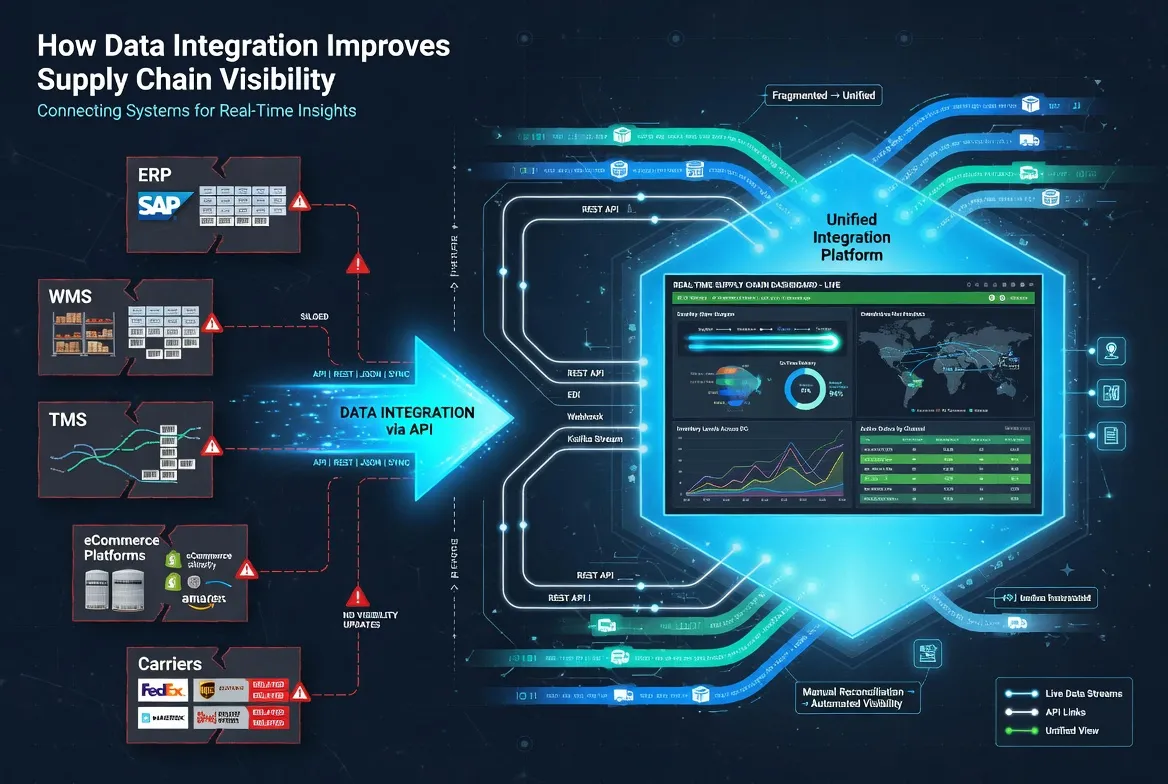
In traditional logistics environments, operational data is often scattered across multiple tools such as spreadsheets, emails, and disconnected software systems. This fragmentation makes it difficult for teams to maintain a clear overview of ongoing operations.
Modern logistics platforms centralize data within a unified system. Shipment orders, tracking events, documents, and financial records are stored within a shared digital environment.
By consolidating this information, logistics teams gain a comprehensive view of operational activities across the entire supply chain.
Improving Shipment Monitoring
Data visibility plays a key role in monitoring shipment progress. When transportation events are recorded in real time, logistics teams can track shipments as they move through different stages of the journey.
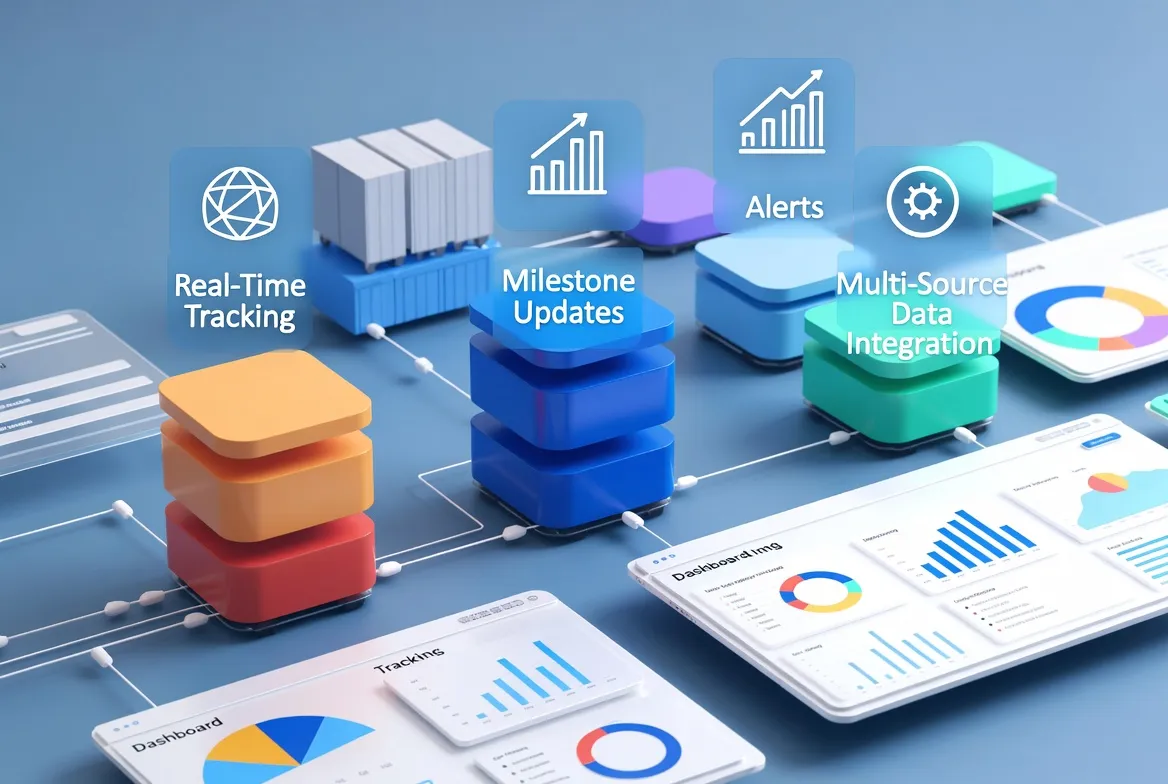
Operational milestones such as cargo pickup, departure, transit updates, and arrival events can be displayed through dashboards or tracking interfaces.
This real-time monitoring allows logistics providers to identify delays early and take corrective actions when necessary.
Supporting Faster Decision-Making
Access to accurate and timely information enables logistics managers to make better operational decisions.
For example, if a shipment delay is detected, managers can evaluate alternative solutions, adjust transportation plans, or notify customers proactively. Without real-time visibility, these decisions may be delayed until the problem becomes more severe.
Data visibility allows companies to respond quickly to operational changes and maintain smoother logistics processes.
Enhancing Collaboration Across Teams
Logistics operations involve collaboration between multiple departments, including sales teams, operations staff, warehouse personnel, and financial teams.
When operational data is visible across the organization, different teams can work with consistent information. This shared visibility improves coordination and reduces misunderstandings between departments.
For example, customer service teams can access shipment status information directly, allowing them to respond to inquiries more efficiently.
Providing Insight Through Operational Reporting
Data visibility also enables companies to analyze historical logistics performance. By reviewing operational data across multiple shipments, logistics providers can identify patterns and trends related to transit times, service performance, and operational efficiency.
These insights help companies improve planning, optimize workflows, and refine their logistics strategies.
Operational reporting transforms raw data into valuable business intelligence.
Building Transparent and Efficient Logistics Operations
As global supply chains become more complex, maintaining operational transparency is increasingly important. Companies need reliable systems that allow them to monitor activities across multiple locations and transportation segments.
Data visibility platforms provide this transparency by connecting operational data, shipment tracking, and business processes within a unified system.
For logistics companies, strong data visibility capabilities are essential for improving efficiency, maintaining operational control, and delivering reliable service in modern supply chain environments.
.webp "What Is a Logistics Customer Portal")


