

Feb 18,2023
How to Shipping Internationally in A Cheapest Way?
Introduction
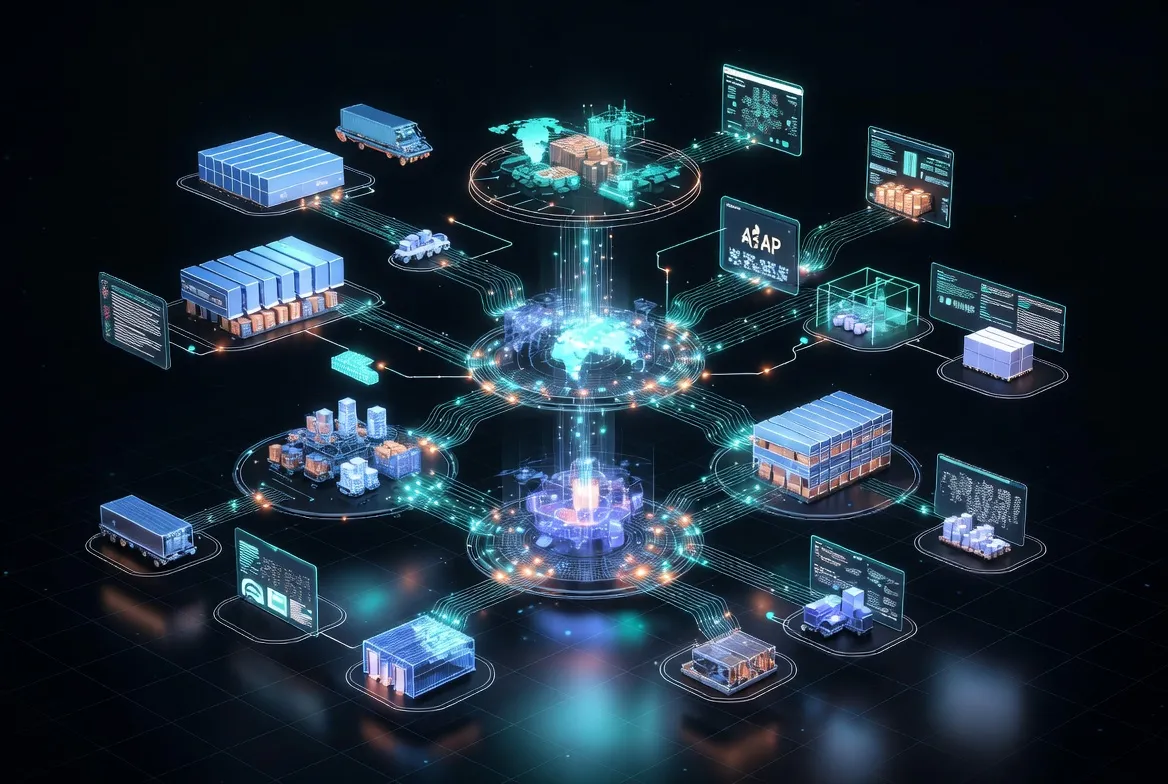
Centralized logistics platforms replace fragmented communication by consolidating all interactions, data, and workflows into a single system where stakeholders can collaborate in real time. Instead of relying on scattered emails, spreadsheets, and messaging tools, centralized platforms provide structured communication linked directly to shipments and operations, improving visibility, efficiency, and accuracy.
In global logistics, where multiple teams and partners are involved, fragmented communication is a major source of delays and errors. Centralized platforms address this challenge by creating a unified communication and operational environment.
What is Fragmented Communication in Logistics
Fragmented communication refers to the use of multiple disconnected channels—such as emails, phone calls, spreadsheets, and messaging apps—to manage logistics operations.
Common characteristics include:
Information scattered across different tools
Lack of a single source of truth
Manual updates and repeated data entry
Difficulty tracking communication history
Limited visibility across teams and partners
For example, shipment updates may be shared via email, documents stored in separate folders, and tracking information maintained in spreadsheets—making it difficult to maintain consistency and control.
Why Centralized Platforms Matter
Fragmented communication creates several operational challenges:
1. Delayed Decision-Making
Teams spend time searching for information across multiple channels.
2. Increased Error Rates
Manual data entry and duplication lead to inconsistencies.
3. Lack of Transparency
Stakeholders do not have a clear view of shipment status or progress.
4. Inefficient Collaboration
Communication gaps slow down coordination between teams and partners.
5. Poor Customer Experience
Customers receive inconsistent or delayed updates.
Centralized platforms address these issues by integrating communication into structured workflows and shared data environments.
How Centralized Platforms Replace Fragmentation
Centralized logistics platforms transform communication by embedding it directly into operational workflows.
1. Unified Data Environment
All shipment data, documents, and updates are stored in one system, ensuring consistency.
2. Shipment-Centric Communication
All communication is linked to specific shipments or orders, making it easy to track history and context.
3. Real-Time Updates
Changes are instantly visible to all stakeholders, eliminating delays in information sharing.
4. Integrated Workflows
Communication is part of the workflow, not a separate activity, ensuring alignment between tasks and updates.
5. Role-Based Access
Different users access relevant information based on their roles, improving security and clarity.
6. Automated Notifications
System-generated alerts keep stakeholders informed of key events, reducing the need for manual follow-ups.
For instance, centralized platforms enable multi-role coordination where all participants interact within the same shipment workflow, reducing reliance on external communication tools.
Key Features / Key Capabilities
Centralized logistics platforms include several features that replace fragmented communication:
1. Multi-Role Collaboration
Internal teams and external partners work within the same system
Shared access to shipment data and updates
2. End-to-End Visibility
Unified timeline of shipment milestones
Real-time tracking across all transport stages
3. Workflow Automation
Automated task assignment and status updates
SOP-driven processes
4. Integrated Communication Tools
Internal notes and comments linked to shipments
Centralized message tracking
5. AI Data Recognition
OCR for extracting information from documents
Reduced manual data entry
6. Automated Billing and Reconciliation
Financial processes linked to operational data
Improved accuracy and efficiency
7. System Integration
API connections with external systems
Seamless data exchange across platforms
These capabilities ensure that communication becomes structured, traceable, and efficient.
Benefits for Logistics Companies
1. Improved Efficiency
Reduced time spent searching for information
Faster communication and decision-making
2. Enhanced Data Accuracy
Single source of truth
Elimination of duplicate data entry
3. Greater Visibility
Real-time access to shipment status
Transparent workflows
4. Better Collaboration
Seamless coordination between teams and partners
Reduced communication gaps
5. Improved Customer Experience
Consistent and timely updates
Reduced inquiry volume
6. Scalability
Ability to handle higher volumes without communication bottlenecks
Best Practices / Use Cases
1. Freight Forwarding Operations
Replace email-based communication with system-based collaboration linked to shipments.
2. Cross-Border Logistics Coordination
Ensure consistent communication across multiple countries and partners.
3. 3PL Multi-Client Management
Centralize communication for different clients while maintaining data separation.
4. Exception Management
Use automated alerts and system notifications to handle disruptions proactively.
5. Customer Communication
Provide customers with direct access to shipment updates through a centralized platform.
Conclusion
Centralized logistics platforms play a crucial role in replacing fragmented communication. By integrating data, workflows, and communication into a single system, they enable more efficient, transparent, and scalable operations.
As logistics networks become more complex, companies that adopt centralized platforms gain a significant advantage in operational control, collaboration efficiency, and customer satisfaction.
Frequently Asked Questions
What is fragmented communication in logistics?
It refers to the use of disconnected tools such as emails and spreadsheets to manage logistics operations, leading to inefficiencies and errors.
How do centralized platforms replace fragmented communication?
They consolidate data, workflows, and communication into a single system, enabling real-time collaboration and visibility.
Why is centralized communication important in logistics?
It improves efficiency, reduces errors, enhances visibility, and ensures better coordination across stakeholders.
What are the benefits of centralized logistics platforms?
Benefits include faster communication, improved data accuracy, better collaboration, and enhanced customer experience.
Who should use centralized logistics platforms?
Freight forwarders, 3PL providers, and cross-border logistics companies benefit from centralized communication systems.
About WallTech
WallTech provides digital logistics solutions designed to replace fragmented communication with centralized, collaborative platforms. Its systems enable multi-role coordination across internal teams and external partners, supported by real-time shipment visibility through milestone-based tracking and unified timelines. By integrating workflow automation, AI-driven data recognition, and automated financial processes such as billing and reconciliation, WallTech helps logistics companies streamline communication and improve operational efficiency. These capabilities support scalable, transparent, and well-coordinated logistics operations across global supply chains.
If you're exploring ways to improve your logistics operations, feel free to connect with us to learn more about our solutions and system capabilities.
.webp "How Modern Platforms Enable Cargo Movement Monitoring")