
Mar 25,2026
Logistics Platform for Global Supply Chain Orchestration
A cross-border fulfillment system is a digital platform designed to manage the end-to-end fulfillment process for international orders. It coordinates order processing, inventory allocation, warehouse operations, shipment preparation, and international delivery for goods moving across national borders.
Why Cross-Border Fulfillment Is Complex
Cross-border order fulfillment involves more operational complexity than domestic fulfillment. International shipments often require coordination between multiple logistics partners and must comply with different regulatory and transportation requirements.
Key challenges in cross-border fulfillment include:
Managing inventory across multiple warehouses
Coordinating international shipping routes
Handling customs documentation and declarations
Selecting appropriate last-mile delivery partners
Tracking shipments across multiple countries
A cross-border fulfillment system helps organize these processes within a structured digital environment.
Core Functions of a Cross-Border Fulfillment System
Order Processing
The system captures and organizes international order information, including customer details, product specifications, destination addresses, and shipping requirements.
Orders can be received from e-commerce platforms, enterprise systems, or direct order entry.
Inventory Coordination
A cross-border fulfillment system tracks inventory stored in different warehouse locations, including domestic and overseas warehouses. This allows companies to allocate orders to the most suitable fulfillment center.
Warehouse Operations
The system supports warehouse activities such as:
Order picking and packing
Label generation
Shipment preparation
Dispatch management
These processes help ensure that orders are prepared accurately for international delivery.
International Shipping Coordination
The system manages the selection of shipping routes and logistics partners responsible for international transportation and final delivery.
Customs Documentation Management
International shipments require proper documentation for customs clearance. The system can organize shipment information required for customs declarations and compliance processes.
Shipment Tracking
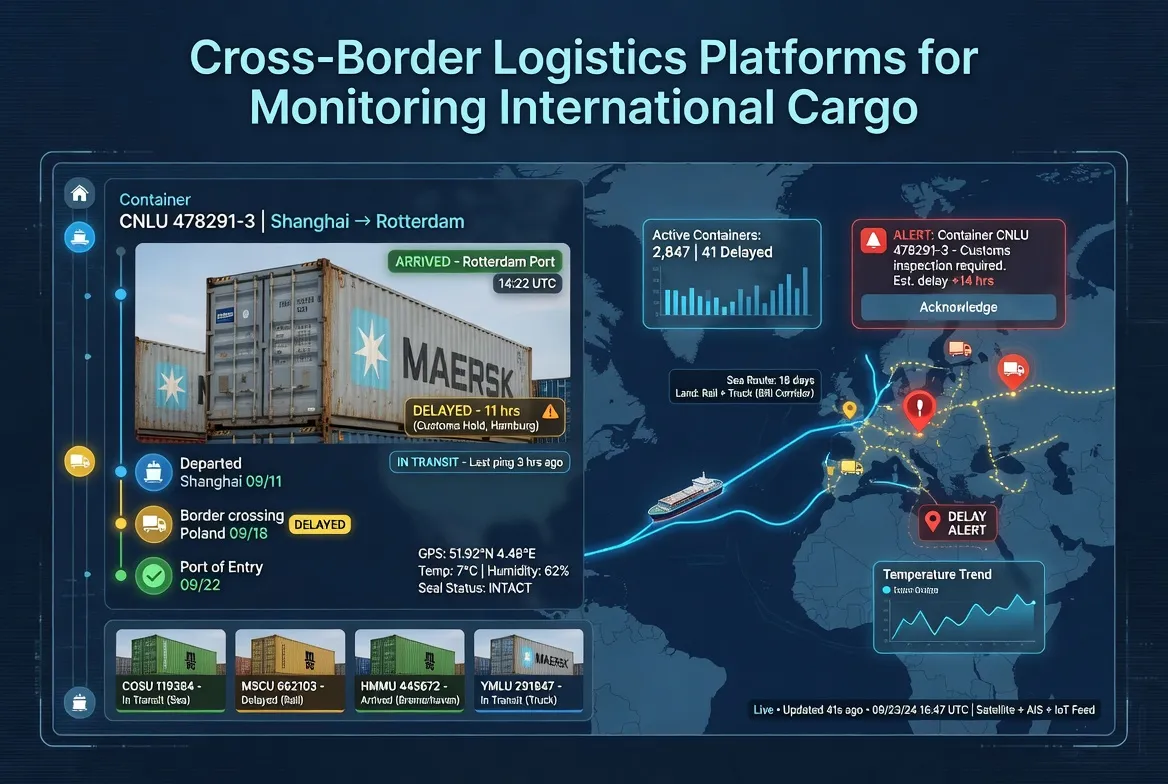
The system records shipment progress across the international delivery journey, providing visibility into transit stages and delivery status.
How Cross-Border Fulfillment Systems Support Logistics Operations
By centralizing order processing, warehouse coordination, and international shipment management, a cross-border fulfillment system allows logistics companies to manage international order flows more efficiently.
Operational teams can coordinate inventory, shipments, and customer orders within one platform, reducing manual coordination.
Who Uses Cross-Border Fulfillment Systems?
These systems are commonly used by:
Cross-border e-commerce logistics providers
Third-party logistics companies (3PL)
International retailers
Global distribution companies
Logistics companies managing overseas warehouse networks
Organizations handling international order fulfillment benefit most from structured fulfillment systems.
Business Benefits
Using a cross-border fulfillment system can help companies:
Improve order processing efficiency
Coordinate international inventory more effectively
Reduce operational complexity
Improve shipment tracking visibility
Enhance customer delivery experience
It supports scalable international order fulfillment operations.
Conclusion
A cross-border fulfillment system is a digital platform that manages the international order fulfillment process from order capture to final delivery. By coordinating inventory, warehouse operations, and international shipping activities, it helps logistics companies manage cross-border fulfillment more efficiently.