

Apr 06,2026
What Is Multi-Role Coordination in Logistics Platforms
Introduction
Shipment data is at the core of logistics operations. From order creation and booking to transportation, tracking, and final delivery, every stage generates critical data. However, in many organizations, shipment data is scattered across multiple systems, making it difficult to manage, analyze, and act upon.
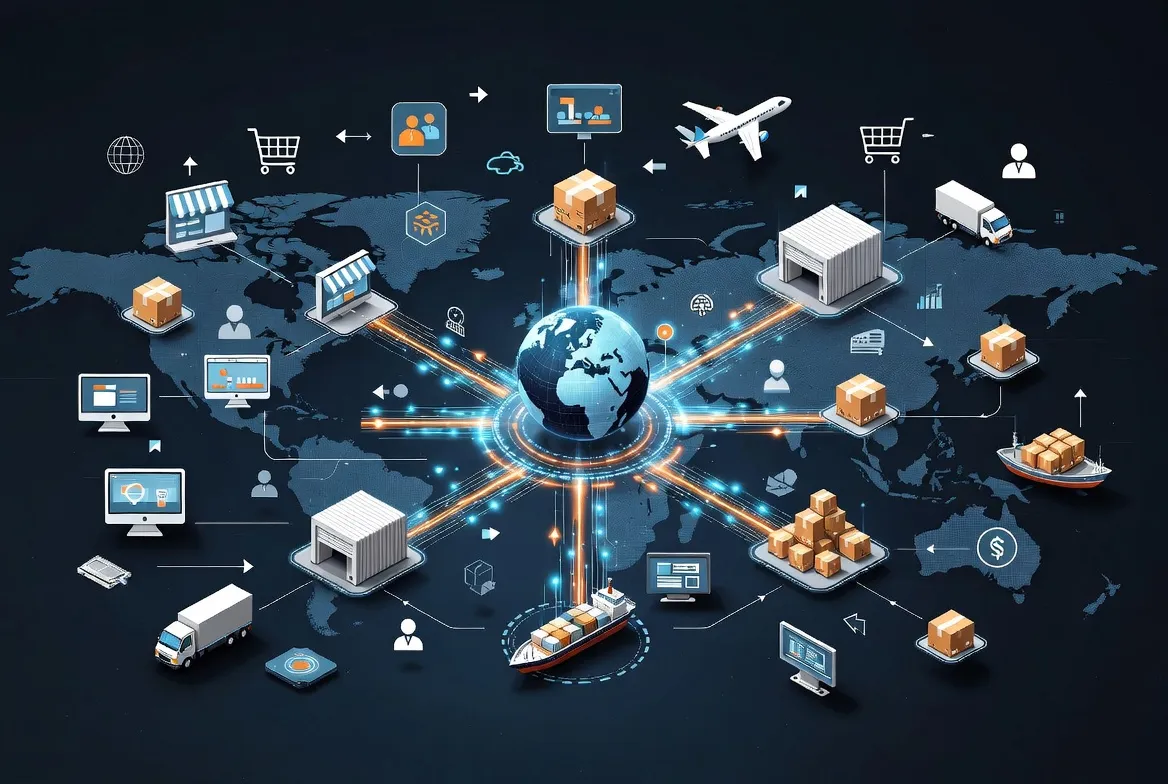
Modern logistics platforms solve this challenge by enabling shipment data integration—bringing together data from different systems into a unified, real-time operational environment. This integration improves visibility, efficiency, and decision-making across the entire logistics process.
What Is Shipment Data Integration
Shipment data integration refers to the process of consolidating and synchronizing shipment-related data from multiple systems and sources into a single platform.
This includes integrating data from:
Order management systems
Booking and transportation systems
Warehouse operations
Carrier tracking systems
Financial and billing systems
External partners and service providers
The goal is to ensure that all shipment data is consistent, accurate, and accessible across the entire supply chain.
Why Shipment Data Integration Is Important
1. Improving Data Consistency
When shipment data is stored in multiple systems, inconsistencies can arise. Integration ensures that all systems use the same data.
2. Enhancing Visibility
Integrated data provides a complete view of shipment status, from origin to destination.
3. Reducing Manual Work
Without integration, teams often re-enter data across systems. Integration eliminates duplication.
4. Supporting Real-Time Decision-Making
Real-time data access enables faster responses to delays, disruptions, and operational changes.
5. Enabling End-to-End Tracking
Integrated systems allow companies to track shipments across multiple transportation modes and stages.
How Modern Platforms Enable Shipment Data Integration
1. Multi-System Connectivity
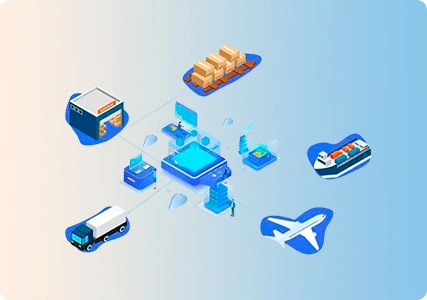
Modern platforms connect with ERP, WMS, TMS, and carrier systems to gather shipment data from multiple sources.
2. API and Data Exchange Mechanisms
APIs and other integration technologies enable real-time data sharing between systems.
3. Centralized Data Hub
Shipment data is aggregated into a central platform, creating a single source of truth.
4. Real-Time Synchronization
Updates in one system automatically reflect across all connected systems.
5. Multi-Source Tracking Integration
Platforms integrate tracking data from different carriers and transportation segments to provide a unified view.
For example, logistics platforms can integrate multi-source tracking data and synchronize shipment information across different operational stages, enabling end-to-end visibility and coordination.
Key Features of Shipment Data Integration Platforms
1. Unified Shipment View
Provides a single interface to monitor all shipment data.
2. Real-Time Data Updates
Ensures that shipment status is always current.
3. Multi-Source Data Integration
Combines data from carriers, warehouses, and internal systems.
4. Event Tracking and Management
Captures and manages shipment events across the entire lifecycle.
5. Data Standardization
Ensures consistency across different data sources.
6. Integration with External Systems
Connects with carriers, customs systems, and partner platforms.
7. Role-Based Access
Allows different users to access relevant shipment data securely.
Benefits of Shipment Data Integration
1. Improved Operational Efficiency
Automation reduces manual tasks and streamlines workflows.
2. Enhanced Visibility
Companies gain full visibility into shipment status and performance.
3. Faster Issue Resolution
Real-time data enables quick identification and resolution of problems.
4. Better Collaboration
Shared data improves coordination between teams and partners.
5. Increased Customer Satisfaction
Accurate tracking and timely updates improve service reliability.
6. Data-Driven Optimization
Integrated data supports analytics and performance improvement initiatives.
Conclusion
Shipment data integration is a critical capability for modern logistics operations. By consolidating data from multiple systems into a unified platform, companies can achieve greater visibility, efficiency, and control over their shipments.
As supply chains continue to evolve, modern logistics platforms that enable seamless shipment data integration will play a key role in helping organizations optimize operations, improve service quality, and maintain a competitive advantage in the global logistics market.