

Jun 15,2022
Cross-border Logistics Software Solutions
Intro
Shipping to the USA involves a structured process of transporting goods into or out of the United States while complying with customs regulations, documentation requirements, and logistics coordination. As one of the world’s largest import markets, shipping to USA requires careful planning across customs compliance, carrier selection, and real-time shipment visibility.
What is Shipping to USA
Shipping to the USA refers to the end-to-end logistics process of exporting goods into the United States or managing outbound shipments from the country. This includes transportation, customs clearance, documentation, duties and taxes, and final delivery.
The process typically involves multiple stakeholders, including freight forwarders, customs brokers, carriers, and importers of record (IOR). Each shipment must comply with U.S. regulations enforced by agencies such as Customs and Border Protection (CBP), the Food and Drug Administration (FDA), and other regulatory bodies depending on the cargo type.
Key Challenges or Industry Context
Shipping to the United States presents several operational and regulatory challenges:
1. Complex customs regulations
The U.S. has strict import compliance requirements, including Harmonized System (HS) classification, accurate declared values, and proper documentation. Errors can lead to delays, inspections, or penalties.
2. Multi-agency compliance
Different products may require approval from multiple agencies (e.g., FDA for food, FCC for electronics), increasing complexity in documentation and clearance.
3. High documentation standards
Required documents such as commercial invoices, packing lists, bills of lading, and entry filings must be accurate and consistent across systems.
4. Fragmented tracking visibility
Shipments often involve multiple carriers across ocean, air, and last-mile delivery, making it difficult to maintain a unified tracking view.
5. eCommerce-driven demand
The rise of cross-border eCommerce has increased shipment volumes and expectations for faster delivery, placing pressure on logistics coordination and system integration.
How It Works / Industry Process
The process of shipping to USA typically follows these steps:
1. Order preparation and documentation
The exporter prepares key documents, including commercial invoice, packing list, and shipping instructions. Accurate HS codes and declared values are critical.
2. Freight booking and transportation
Goods are booked with ocean, air, or express carriers depending on urgency and cost considerations.
3. Export clearance (origin country)
The shipment must comply with export regulations in the origin country before departure.
4. Import customs clearance (USA)
Upon arrival, the importer or customs broker submits entry filings to U.S. Customs. Duties, taxes, and compliance checks are processed at this stage.
5. Delivery and last-mile distribution
After clearance, the shipment is handed over to domestic carriers for final delivery to the consignee.
6. Post-shipment reconciliation
Financial settlement, duty payments, and documentation archiving are completed.
Why It Matters (Business Impact)
Efficient shipping to the USA directly impacts business performance in several ways:
Time-to-market: Faster clearance and delivery improve customer satisfaction and competitiveness
Cost control: Accurate classification and duty calculation reduce unexpected expenses
Compliance risk: Proper documentation minimizes the risk of penalties or shipment holds
Customer experience: Real-time tracking and transparency enhance trust and retention
For global logistics providers and eCommerce businesses, the ability to manage U.S. shipments efficiently is often a key factor in scaling operations.
How Modern Logistics Platforms Solve This
Modern logistics platforms address the complexity of shipping to USA by digitizing and integrating the entire workflow.
Customs compliance automation
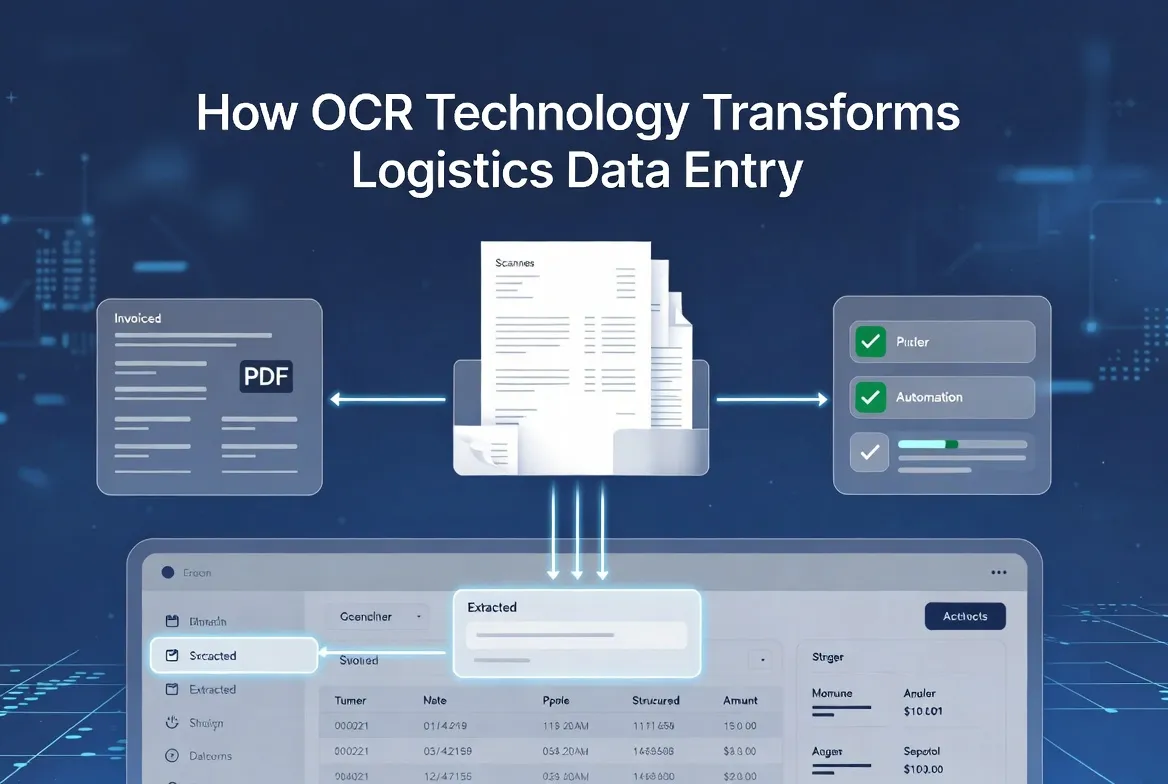
Digital systems can standardize and automate customs documentation, ensuring that required data fields, HS codes, and declarations are validated before submission. This reduces manual errors and improves clearance efficiency.
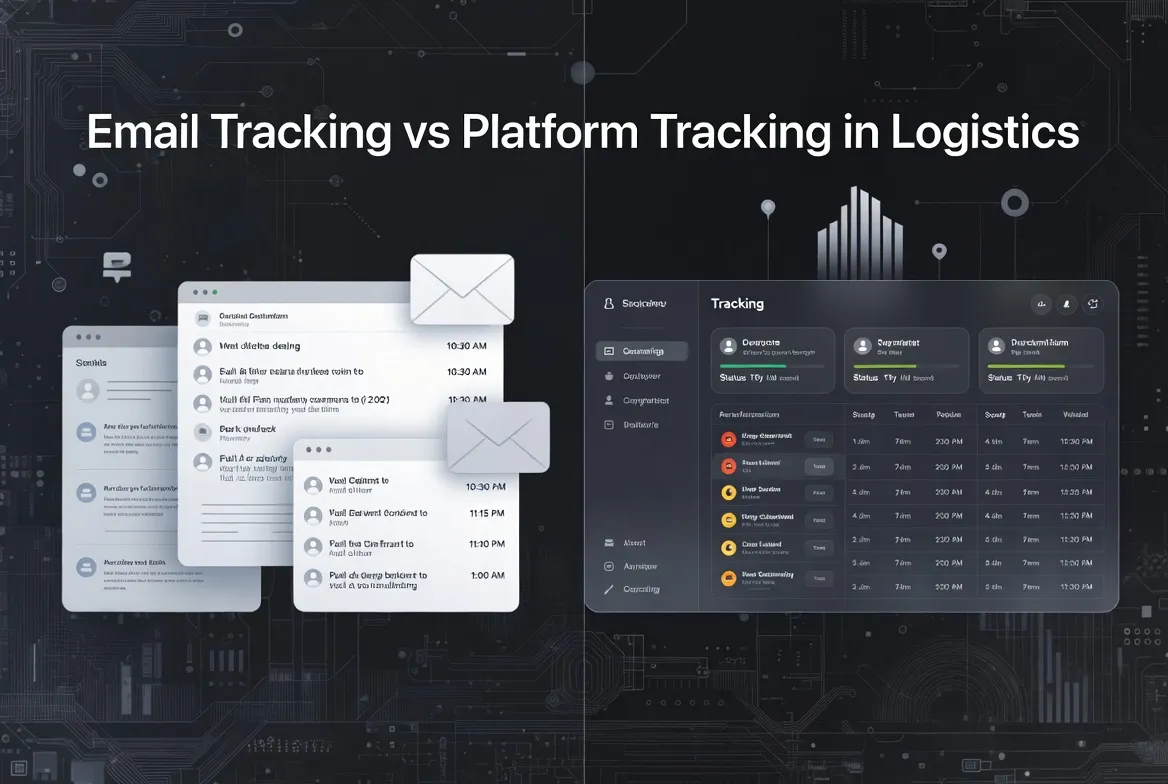
Multi-carrier tracking visibility
Instead of relying on separate carrier systems, modern platforms aggregate tracking data across ocean, air, and last-mile providers into a single timeline. This enables end-to-end shipment visibility and proactive exception management.
For example, tracking events from different transport stages can be automatically synchronized into one unified view, allowing teams and customers to monitor progress without switching systems.
API integration with eCommerce platforms
Integration with platforms such as online marketplaces and ERP systems enables automatic order synchronization, reducing manual data entry. Orders can flow directly from eCommerce systems into logistics workflows, improving speed and accuracy.
Workflow automation and SOP management
Logistics platforms can define standardized workflows for each shipment, triggering tasks such as document generation, customs filing, and notifications automatically.
Cross-party collaboration
All stakeholders—including shippers, forwarders, customs brokers, and carriers—can operate within a shared system environment, reducing communication delays and improving coordination.
Key Benefits
Implementing structured and digitalized processes for shipping to USA provides several benefits:
Improved compliance accuracy through automated validation and standardized documentation
End-to-end visibility across all transport modes and carriers
Operational efficiency by reducing manual work and repetitive data entry
Faster shipment processing through integrated workflows and real-time data exchange
Better customer experience with transparent tracking and timely updates
Scalability for handling growing eCommerce and cross-border volumes
Conclusion
Shipping to the USA is a complex but essential process for global trade, requiring precise coordination across transportation, customs compliance, and documentation. As shipment volumes increase and regulatory requirements evolve, traditional manual processes are no longer sufficient.
Modern logistics platforms enable businesses to streamline operations, improve visibility, and ensure compliance through automation and integration. By adopting digital systems, companies can manage U.S.-bound shipments more efficiently and scale their international logistics operations with confidence.
FAQ
1. What documents are required for shipping to USA?
Common documents include a commercial invoice, packing list, bill of lading or airway bill, and customs entry forms. Additional documents may be required depending on the product type.
2. How long does shipping to USA take?
Transit time varies by mode: air freight typically takes 3–7 days, while ocean freight can take 20–40 days depending on origin and route.
3. What is the biggest challenge in shipping to USA?
The most common challenge is ensuring customs compliance, including correct classification, documentation accuracy, and meeting regulatory requirements from multiple U.S. agencies.

About WallTech
WallTech provides digital logistics solutions that incorporate compliance into data integration across global supply chain operations. Its platforms support end-to-end collaboration by connecting multiple roles and systems within a secure and unified environment. With real-time shipment visibility based on milestone tracking, logistics companies can monitor operations with full transparency while maintaining compliance standards. The system also includes automation capabilities such as AI-driven data recognition, workflow automation, and automated billing and reconciliation, helping businesses ensure data accuracy, reduce risks, and improve operational efficiency.
If you're exploring ways to improve your logistics operations, feel free to connect with us to learn more about our solutions and system capabilities.