
Mar 17,2023
Pay Attention on Three Aspects in International Logistics
Introduction
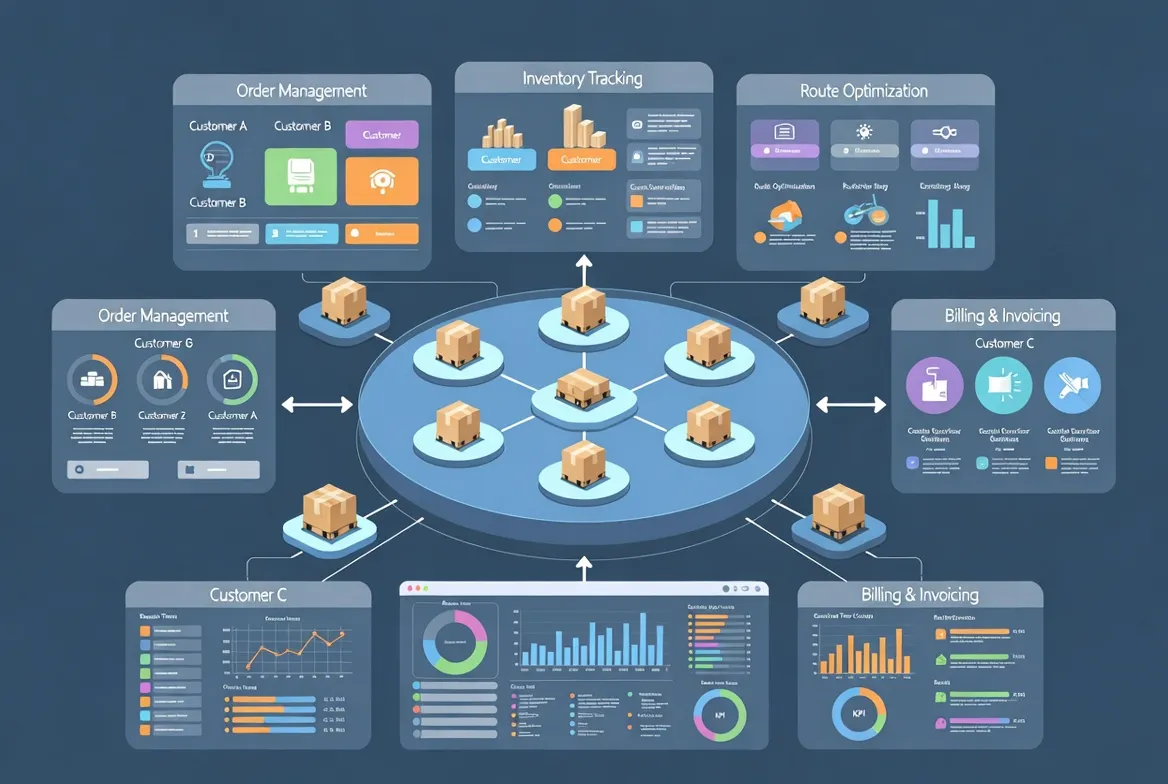
Logistics compliance systems are digital platforms designed to help logistics companies manage regulatory requirements, ensure accurate documentation, and maintain compliance across cross-border operations. The key features of these systems include automated validation, centralized data management, real-time visibility, workflow automation, and multi-role collaboration.
These capabilities enable freight forwarders, 3PLs, and cross-border eCommerce logistics providers to reduce compliance risks, improve operational efficiency, and manage increasingly complex international regulations.
What is a Logistics Compliance System
A logistics compliance system is a software solution that integrates regulatory requirements into logistics operations, ensuring that all shipments meet legal and documentation standards throughout their lifecycle.
It typically covers:
Customs declaration processes
Documentation management
Regulatory validation
Duty and tax calculations
Audit and reporting
Rather than treating compliance as a separate function, these systems embed it directly into operational workflows, making compliance a continuous and automated process.
Why Logistics Compliance Systems Matter
1. Managing Regulatory Complexity
Different countries have different rules, which frequently change. Managing these requirements manually is difficult and error-prone.
2. Reducing Operational Risks
Non-compliance can lead to:
Shipment delays
Financial penalties
Cargo holds or rejections
3. Improving Efficiency
Manual compliance processes slow down operations, especially for high-volume logistics providers.
4. Enhancing Visibility and Control
Without a system, it is difficult to track compliance status across multiple shipments and regions.
5. Supporting Business Growth
As companies expand globally, compliance complexity increases. Systems enable scalable operations without proportional increases in manpower.
How Logistics Compliance Systems Work
1. Data Integration
The system collects and centralizes shipment data from various sources:
Order management systems
Freight forwarding platforms
Customer inputs
This ensures that all compliance-related information is consistent and accessible.
2. Automated Validation
Before submission, the system performs rule-based checks:
Required fields completion
Data format validation
Country-specific compliance rules
This reduces the risk of errors and rejections.
3. Workflow Automation
Compliance tasks are integrated into operational workflows:
Document preparation
Approval processes
Submission tracking
Tasks are automatically assigned and monitored.
4. Collaboration Across Stakeholders
The system enables coordination between:
Internal teams (operations, documentation, finance)
External partners (customs brokers, carriers, customers)
Shared access ensures that all parties work with the same data.
5. Real-Time Monitoring
Compliance status is tracked alongside shipment progress:
Pending
Submitted
Approved
Exception
Alerts notify teams of issues requiring immediate attention.
Key Features / Key Capabilities
1. End-to-End Visibility
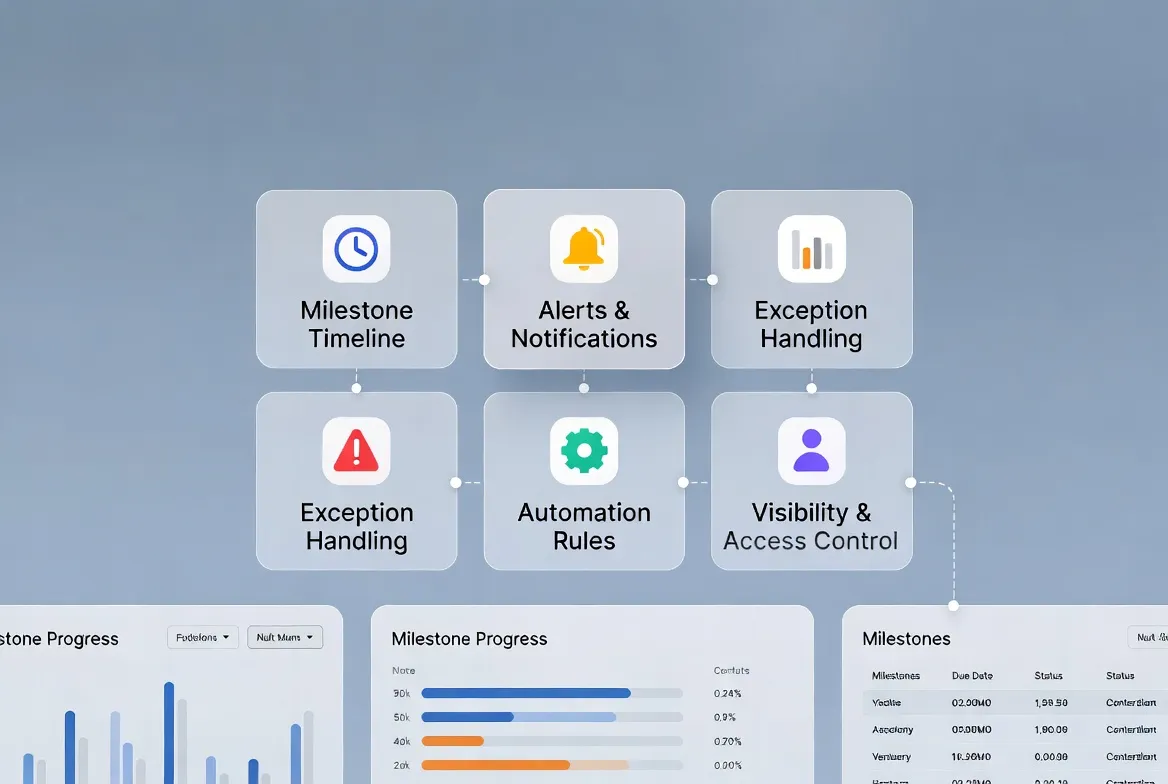
Unified timeline combining shipment and compliance milestones
Real-time tracking of customs and regulatory status
Centralized dashboards for monitoring
2. Automated Compliance Validation
Rule-based checks for data accuracy and completeness
Country-specific regulatory validation
Reduced manual verification
3. Workflow Automation
Automated task assignment and tracking
SOP-based process execution
Exception alerts and notifications
4. Centralized Data and Document Management
Single source of truth for all compliance-related data
Integrated document storage and retrieval
Consistent data across all processes
5. AI Data Recognition
OCR-based extraction from invoices and documents
Reduced manual input
Improved data accuracy
6. Multi-Role Collaboration
Role-based access control
Seamless coordination across upstream and downstream partners
Reduced communication gaps
7. Financial and Duty Management
Automated duty and tax calculation
Integration with billing and reconciliation
Alignment between operational and financial data
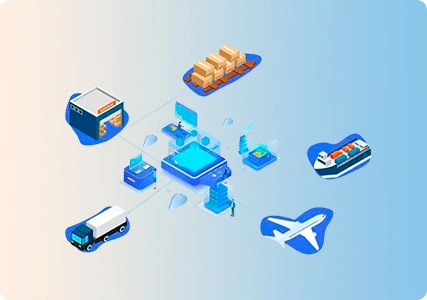
8. System Integration
API/EDI connectivity with customs systems and partners
Integration with ERP, WMS, and carrier systems
Real-time data synchronization
Benefits for Logistics Companies
Reduced Compliance Risk
Automated validation and structured workflows minimize errors and ensure regulatory adherence.
Faster Processing
Efficient workflows and accurate data enable quicker customs clearance and shipment execution.
Improved Operational Efficiency
Automation reduces manual workload and increases productivity.
Enhanced Visibility
Real-time tracking provides better control over compliance status and potential risks.
Stronger Collaboration
Unified platforms improve coordination between teams and external partners.
Scalability
Systems support growth by handling increased shipment volumes and expanding into new markets.
Best Practices / Use Cases
1. Freight Forwarders Managing Multi-Country Shipments
Use compliance systems to standardize processes across different regulatory environments.
2. Cross-Border eCommerce Logistics Providers
Leverage automation to handle high-volume compliance requirements efficiently.
3. 3PL Companies Coordinating Multiple Stakeholders
Enable seamless collaboration between warehouses, carriers, and customs brokers.
4. Companies Transitioning from Manual Compliance Processes
Replace spreadsheets and email-based workflows with structured systems to improve accuracy and efficiency.
Conclusion
Logistics compliance systems are essential for managing the complexity of international trade regulations.
By integrating compliance into operational workflows, providing real-time visibility, and enabling automation and collaboration, these systems help logistics companies reduce risks, improve efficiency, and scale their operations.
As global logistics continues to evolve, adopting compliance systems is a critical step toward building resilient and efficient cross-border operations.
Frequently Asked Questions
What is a logistics compliance system?
It is a software solution that helps logistics companies manage regulatory requirements, documentation, and customs processes within a unified platform.
What are the key features of logistics compliance systems?
Key features include automated validation, workflow automation, real-time visibility, centralized data management, and multi-role collaboration.
Why are compliance systems important in logistics?
They reduce risks, prevent delays, ensure regulatory adherence, and improve operational efficiency.
How do these systems improve logistics operations?
They automate processes, centralize data, and provide real-time insights, enabling faster and more accurate operations.
Who uses logistics compliance systems?
Freight forwarders, 3PL providers, and cross-border logistics companies commonly use them.
About WallTech
WallTech provides digital logistics solutions that support compliance and operational efficiency across global supply chains. Its platforms enable logistics companies to centralize data, coordinate multi-role workflows, and gain real-time visibility through milestone-based tracking. With capabilities such as AI-driven data recognition, workflow automation, and integrated financial processes, WallTech helps organizations manage compliance more effectively while improving overall operational performance and scalability in complex international logistics environments.
If you're exploring ways to improve your logistics operations, feel free to connect with us to learn more about our solutions and system capabilities.
.webp "How Freight Forwarding Platforms Manage Carrier Booking and Schedule Coordination")