
.webp "How Digital Systems Improve Freight Process Control")
Mar 11,2026
How Digital Systems Improve Freight Process Control
Introduction
Global supply chains depend on the seamless movement of goods across countries, partners, and transportation modes. Cross-border shipment coordination is the process that ensures all these elements work together efficiently. Without proper coordination, delays, miscommunication, and operational inefficiencies can disrupt the entire supply chain.
What is cross-border shipment coordination?
Cross-border shipment coordination refers to the management and synchronization of all activities involved in international shipments.
It includes:
Order and shipment planning
Coordination between multiple stakeholders
Management of transportation segments
Customs clearance processes
Tracking and exception handling
The goal is to ensure that shipments move smoothly from origin to destination across different regions and service providers.
Why cross-border shipment coordination is important
International logistics involves multiple challenges:
Multiple handoffs between partners
Different transportation modes (sea, air, land, express)
Regulatory and customs requirements
Limited visibility across regions
Without coordination:
Shipment delays increase
Communication gaps occur
Costs become difficult to control
Customer satisfaction declines
Effective coordination ensures that all parties operate with aligned information and timelines.
How cross-border shipment coordination works
Cross-border coordination relies on structured workflows and system-supported collaboration.
1. Unified shipment management
All stakeholders work around a single shipment or order.
This includes:
Sales and customer service creating orders
Operations managing execution
Partners handling transportation and delivery
Modern systems allow multiple roles to collaborate within the same shipment workflow, ensuring consistency and accountability.
2. Multi-segment transportation coordination
Cross-border shipments often involve several transportation stages:
Domestic pickup
International line-haul (air/sea/rail)
Destination distribution
Last-mile delivery
Platforms support multi-transportation segment management and track each stage within a unified system.
3. Partner and supplier collaboration
Coordination requires close collaboration with:
Freight forwarders
Carriers
Customs brokers
Local logistics providers
Systems enable:
Order allocation to suppliers
Real-time data sharing
Tracking synchronization across partners
For example, shipment data and tracking events can be synchronized with external logistics providers to ensure consistent information across all parties.
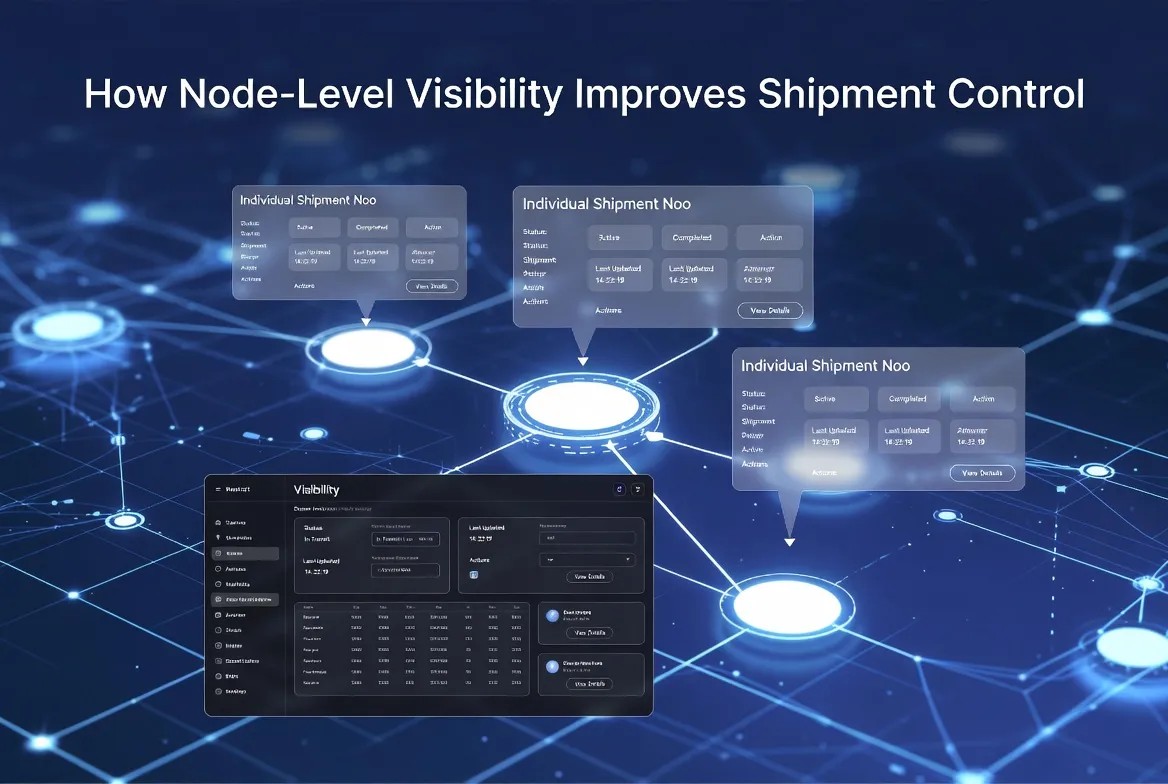
4. End-to-end tracking and visibility
Visibility is essential for coordination.
Modern platforms provide:
Multi-source tracking integration
Automatic event subscription
Full shipment lifecycle tracking
This allows all stakeholders to monitor progress and respond to issues proactively.
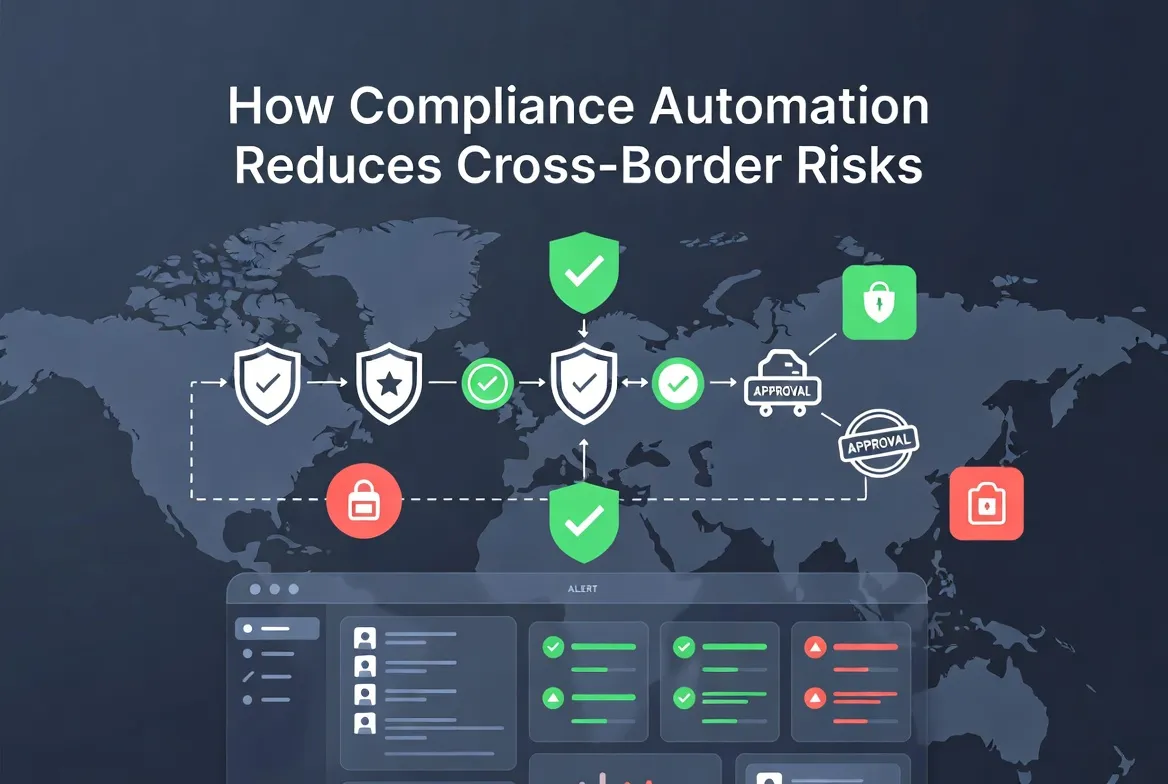
5. Exception management and alerts
Delays and disruptions are common in cross-border logistics.
Effective coordination includes:
Configurable warning rules for key milestones
Automated alerts for delays or abnormalities
Flexible notification methods (email, system alerts, etc.)
These features ensure that issues are detected early and handled efficiently.
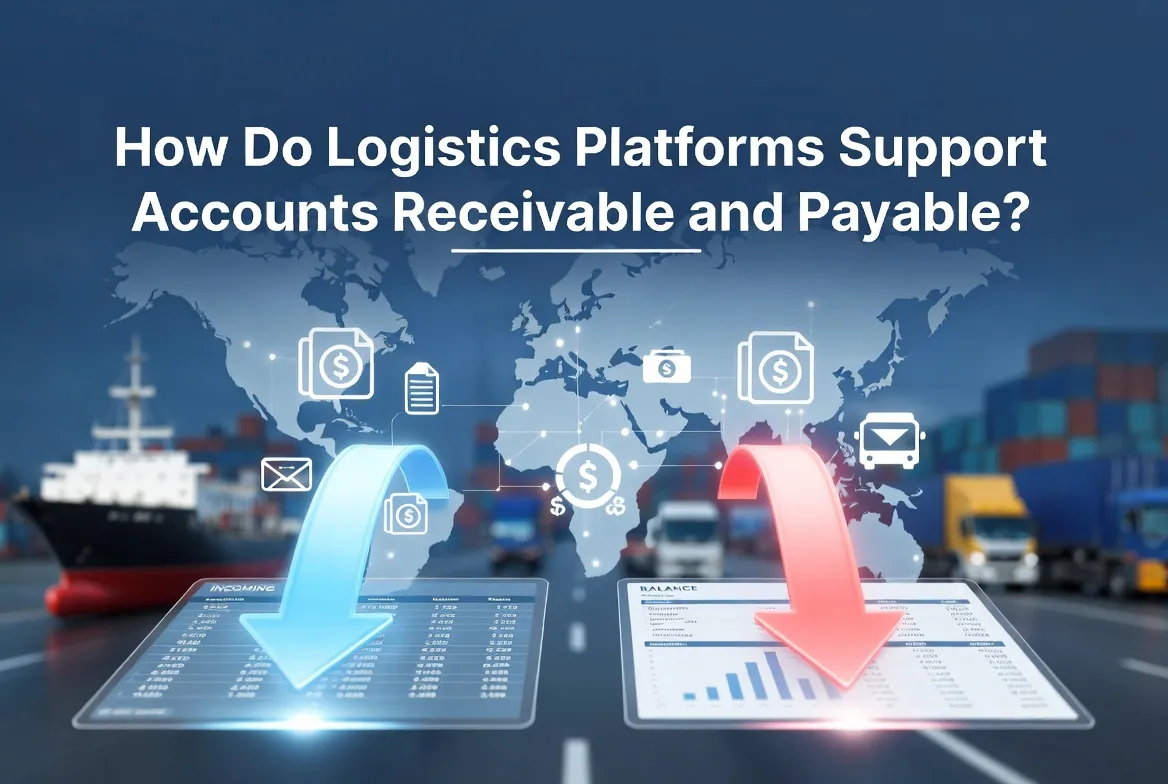
6. Integrated financial and operational data
Coordination is not only operational but also financial.
Systems connect:
Shipment execution data
Cost and billing information
Profit analysis
This ensures that financial performance is aligned with operational activities.
Key features supporting shipment coordination
Modern logistics platforms provide:
Centralized order and shipment management
Multi-role collaboration across departments
Multi-transport segment tracking
Partner integration and data synchronization
Automated alerts and exception handling
Unified financial and operational management
These capabilities enable smooth coordination across complex international logistics networks.
Benefits of effective cross-border shipment coordination
Companies that implement strong coordination practices can achieve:
Reduced delays and improved delivery performance
Better visibility across global supply chains
Improved collaboration with partners
Lower operational and communication costs
Faster response to disruptions
This leads to more reliable and efficient supply chain operations.
How modern logistics platforms enable coordination
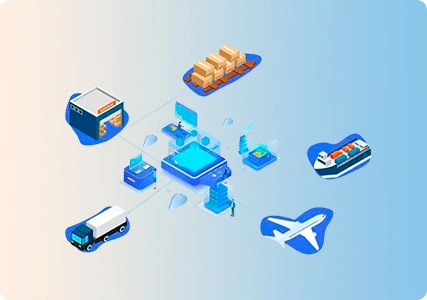
Modern logistics platforms function as coordination hubs.
They:
Connect all stakeholders within a single system
Synchronize data across transportation stages
Provide real-time visibility and alerts
Enable structured workflows and collaboration
By integrating operations, data, and partners, these platforms transform fragmented logistics processes into coordinated, efficient supply chains.
Conclusion
Cross-border shipment coordination is essential for maintaining efficient global supply chains. By aligning processes, systems, and stakeholders, companies can ensure smooth international logistics operations.
With the support of modern digital platforms, businesses can improve visibility, reduce risks, and achieve greater control over their global supply chain activities.