
Mar 26,2026
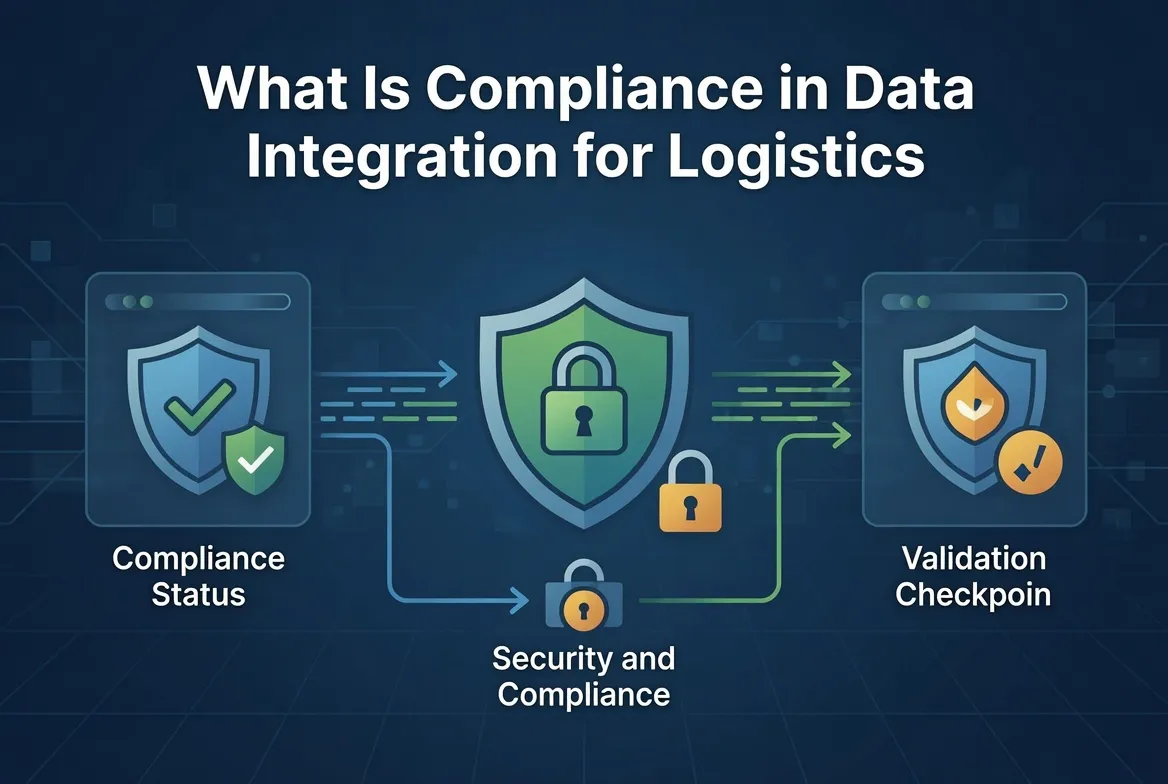
What Is Compliance in Data Integration for Logistics
Introduction (direct answer + context)
Freight financial platforms for managing accounts payable are systems that automate and optimize how logistics companies track, validate, and settle payments to suppliers, carriers, and partners. These platforms integrate operational data with financial workflows, ensuring that payable amounts are accurate, verified, and processed efficiently. For freight forwarders, 3PLs, and cross-border logistics providers, effective accounts payable (AP) management is essential to control costs, maintain partner relationships, and ensure financial accuracy in complex, multi-party logistics environments.
What is Accounts Payable in Logistics
Accounts payable (AP) in logistics refers to the money a company owes to its suppliers and service providers for logistics services rendered.
Typical payable items include:
Freight charges from carriers (sea, air, land)
Handling and warehousing fees
Customs brokerage and compliance services
Last-mile delivery costs
Agent and partner service fees
In logistics, AP is often complex due to:
Multiple vendors involved in a single shipment
Variable pricing structures based on routes and services
High transaction volumes
Multi-currency operations
Freight financial platforms manage AP by linking supplier costs directly to shipments and automating validation and payment processes.
Why Accounts Payable Management Matters
Managing accounts payable is challenging in logistics due to:
Manual invoice processing
Discrepancies between expected and actual costs
Lack of visibility into outstanding payables
Complex reconciliation processes
These challenges can lead to:
Overpayments or duplicate payments
Delayed payments affecting supplier relationships
Increased administrative workload
Reduced financial control
Freight financial platforms address these issues by providing:
Automated invoice validation and matching
Real-time visibility into payable status
Streamlined reconciliation workflows
This ensures that payments are accurate, timely, and aligned with operational data.
How Accounts Payable Management Works
Freight financial platforms manage AP through an integrated workflow:
1. Supplier Invoice Capture
Invoices are captured through:
System integration with suppliers
Document uploads (PDF, Excel, etc.)
AI-powered OCR for data extraction
This reduces manual data entry and improves accuracy.
2. Cost Validation and Matching
The platform validates supplier invoices by comparing them with:
Predefined rate agreements
Shipment cost estimates
Operational data (weight, volume, route)
Discrepancies are flagged automatically for review.
3. Cost Allocation
Costs are allocated to specific shipments or containers:
Direct cost assignment
Shared cost distribution across shipments
Multi-leg cost allocation for multimodal transport
This ensures accurate financial tracking.
4. Approval Workflow
Invoices go through approval processes:
Automated approval based on predefined rules
Manual review for exceptions
Role-based approval workflows
This improves control and accountability.
5. Payment Processing and Reconciliation
The system supports:
Payment scheduling
Matching payments with invoices
Tracking payment status
Reconciliation ensures that all transactions are correctly recorded.
Key Features / Key Capabilities
Freight financial platforms for AP management typically include:
Automated Invoice Processing
OCR-based data extraction from supplier invoices
Automated invoice entry and validation
Reduction of manual processing effort
Real-Time Payables Visibility
Dashboard showing outstanding payables
Tracking of invoice status (pending, approved, paid)
Multi-dimensional analysis (supplier, shipment, region)
Cost Matching and Validation
Automated comparison with rate cards and contracts
Detection of discrepancies and anomalies
Exception handling workflows
Workflow Automation
Approval workflows with role-based access
Automated payment scheduling
Reconciliation automation
Multi-Role Collaboration
Coordination between finance, procurement, and operations teams
Shared access to supplier and cost data
Integration with upstream and downstream partners
Integration and Connectivity
API integration with ERP, WMS, and banking systems
Real-time synchronization with operational data
Seamless data exchange across platforms
These capabilities ensure efficient and accurate AP management.
Benefits for Logistics Companies
Improved Cost Control
Automated validation prevents overpayments and ensures cost accuracy.
Increased Efficiency
Automation reduces manual workload and speeds up invoice processing.
Stronger Supplier Relationships
Timely and accurate payments improve trust and collaboration with partners.
Enhanced Financial Accuracy
Integration with operational data ensures consistency and reliability.
Better Cash Flow Management
Visibility into payables helps optimize payment timing and cash flow.
Best Practices / Use Cases
1. Supplier Invoice Automation
Automate invoice capture and validation to reduce manual processing time.
2. Multi-Carrier Cost Management
Manage costs from multiple carriers and service providers within a unified system.
3. Cross-Border Operations
Handle multi-currency payables and international supplier payments efficiently.
4. High-Volume Transaction Processing
Streamline AP workflows for businesses handling large volumes of shipments.
5. Exception Management
Use automated alerts to identify discrepancies and resolve them quickly.
Conclusion
Accounts payable management is a critical aspect of financial operations in logistics. Freight financial platforms provide the tools needed to automate invoice processing, validate costs, and manage payments efficiently. By integrating AP workflows with shipment operations, these platforms improve cost control, reduce errors, and enhance operational efficiency. As logistics networks grow more complex, automated AP management becomes essential for maintaining financial accuracy and strong supplier relationships.
Frequently Asked Questions
What is accounts payable in logistics?
Accounts payable refers to the money a logistics company owes to suppliers and service providers for services such as transportation and warehousing.
How do freight financial platforms manage accounts payable?
They automate invoice capture, validate costs against contracts, allocate expenses to shipments, and manage payment and reconciliation processes.
Why is accounts payable management important?
It ensures accurate payments, improves cost control, and maintains strong relationships with suppliers.
What are the benefits of automated AP management?
Benefits include reduced errors, increased efficiency, better financial visibility, and improved cash flow management.
Who should use accounts payable management systems?
Freight forwarders, 3PL providers, and cross-border logistics companies benefit from automated AP management.
About WallTech
WallTech provides digital logistics solutions that integrate operational workflows with financial management, including accounts payable processes. By connecting shipment data with supplier cost management, the platform enables real-time visibility and collaboration across finance, operations, and procurement teams. With capabilities such as automated invoice processing, milestone-based tracking, cost allocation, and intelligent workflow automation, WallTech helps logistics companies improve cost control, reduce manual effort, and scale efficiently in global markets.
If you're exploring ways to improve your logistics operations, feel free to connect with us to learn more about our solutions and system capabilities.