Global logistics operations often involve multiple transportation methods within a single shipment journey. Cargo may move by truck to a port, travel by ocean freight across continents, and then continue by rail or road to its final destination. This combination of transportation modes is commonly referred to as multimodal transportation.
While multimodal logistics offers flexibility and efficiency, it also introduces operational complexity. Each transportation segment may involve different carriers, schedules, documentation requirements, and tracking systems. Without a centralized platform, coordinating these segments can become difficult and time-consuming.
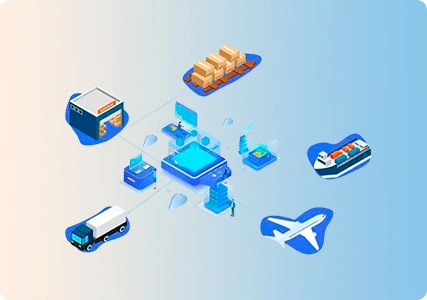
Logistics platforms help manage multimodal transportation operations by integrating shipment information, tracking data, and operational workflows within a single system.
Coordinating Multiple Transportation Segments
In multimodal logistics, shipments move through a sequence of transportation stages. Each stage must be coordinated to ensure smooth cargo movement and avoid delays between segments.
A logistics platform allows operators to manage all transportation segments within a single shipment record. Ocean freight, air transport, trucking, and rail operations can be linked to the same order, providing a structured overview of the entire journey.
By organizing these segments within one system, logistics teams can manage transitions between transportation modes more effectively.
Centralizing Shipment Information
Multimodal shipments generate large volumes of operational data, including cargo details, routing information, carrier bookings, and transportation schedules.
A logistics platform centralizes this information within a unified database. Shipment data entered during order creation becomes accessible throughout the operational process, allowing teams to monitor shipment progress and update relevant information when necessary.
Centralized data management helps ensure consistency across transportation segments and reduces the risk of miscommunication.
Tracking Cargo Across Different Transport Modes
Tracking shipments across multiple transportation modes can be challenging when each carrier uses different tracking systems. Without integration, logistics teams may need to manually collect updates from various sources.
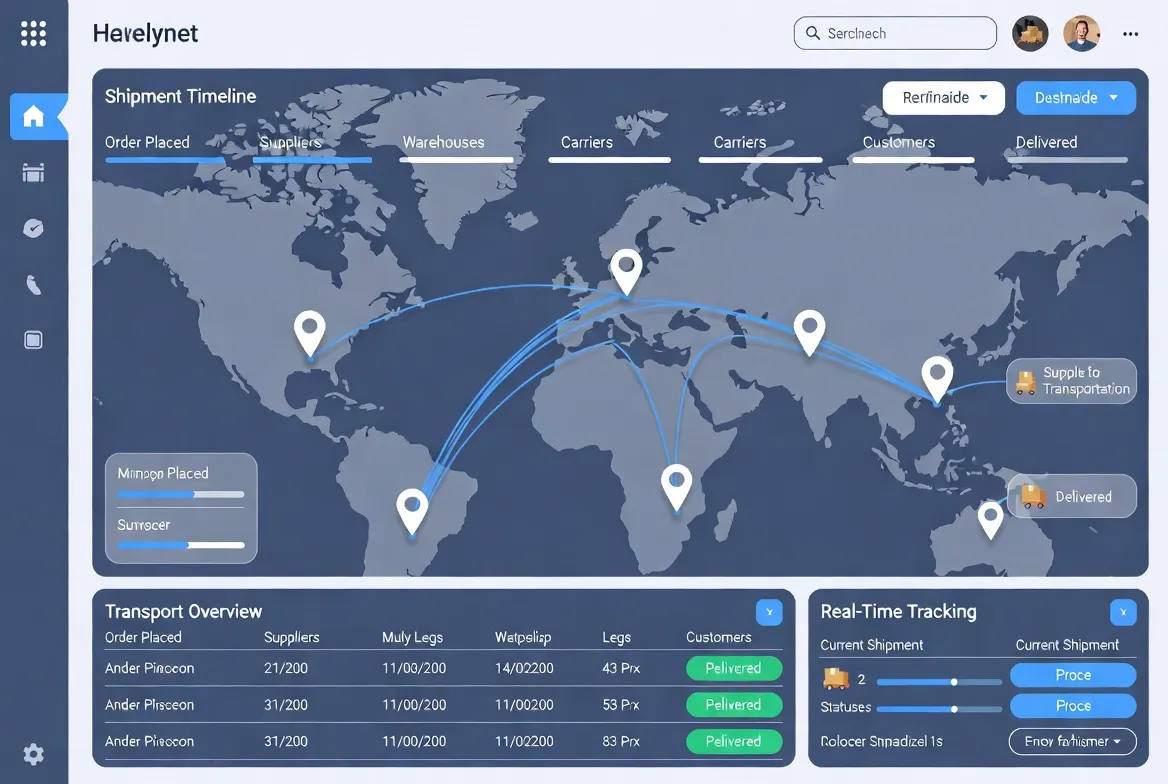
Logistics platforms address this challenge by integrating tracking information from multiple service providers. Operational events from different transportation stages can be captured and displayed within a single tracking timeline.
This consolidated tracking view allows logistics operators and customers to monitor shipment progress from origin to destination.
Managing Operational Milestones
Each transportation segment involves key operational milestones such as cargo pickup, departure, arrival, and transfer between transportation modes.
Logistics platforms allow these milestones to be recorded and monitored within the system. When an event occurs—such as cargo arrival at a port or departure from a warehouse—it can be logged as part of the shipment timeline.
Monitoring these milestones helps logistics teams maintain better control over complex transportation workflows.
Supporting Collaboration with Service Providers
Multimodal transportation often requires cooperation with multiple logistics partners, including carriers, warehouse operators, and local transportation providers.
A logistics platform facilitates collaboration by allowing different stakeholders to access relevant shipment information within the same system environment. Operational updates can be shared more efficiently, reducing the need for repeated communication through external channels.
Improved collaboration helps ensure that each transportation segment is coordinated effectively.
Improving Operational Visibility
Visibility is particularly important in multimodal logistics, where shipments move through several transportation stages across different regions.
Logistics platforms provide dashboards and reporting tools that allow companies to monitor shipments across their entire network. Operations teams can identify potential delays, evaluate transportation performance, and track shipment progress in real time.
This visibility allows companies to manage complex logistics networks more proactively.
Enabling Efficient Multimodal Logistics Management
Multimodal transportation offers significant advantages in global supply chains, including cost optimization and route flexibility. However, managing these operations efficiently requires strong coordination and accurate information flow.
Logistics platforms provide the digital infrastructure needed to organize shipment data, track cargo across multiple transportation modes, and coordinate operational activities across different service providers.
By integrating multimodal transportation management within a single platform, logistics companies can improve operational efficiency, enhance shipment visibility, and maintain better control over complex global logistics operations.


.webp "Key Features of Logistics Billing Platforms")