
Apr 27,2026
Logistics Automation Platforms for Freight Process Automation
Introduction
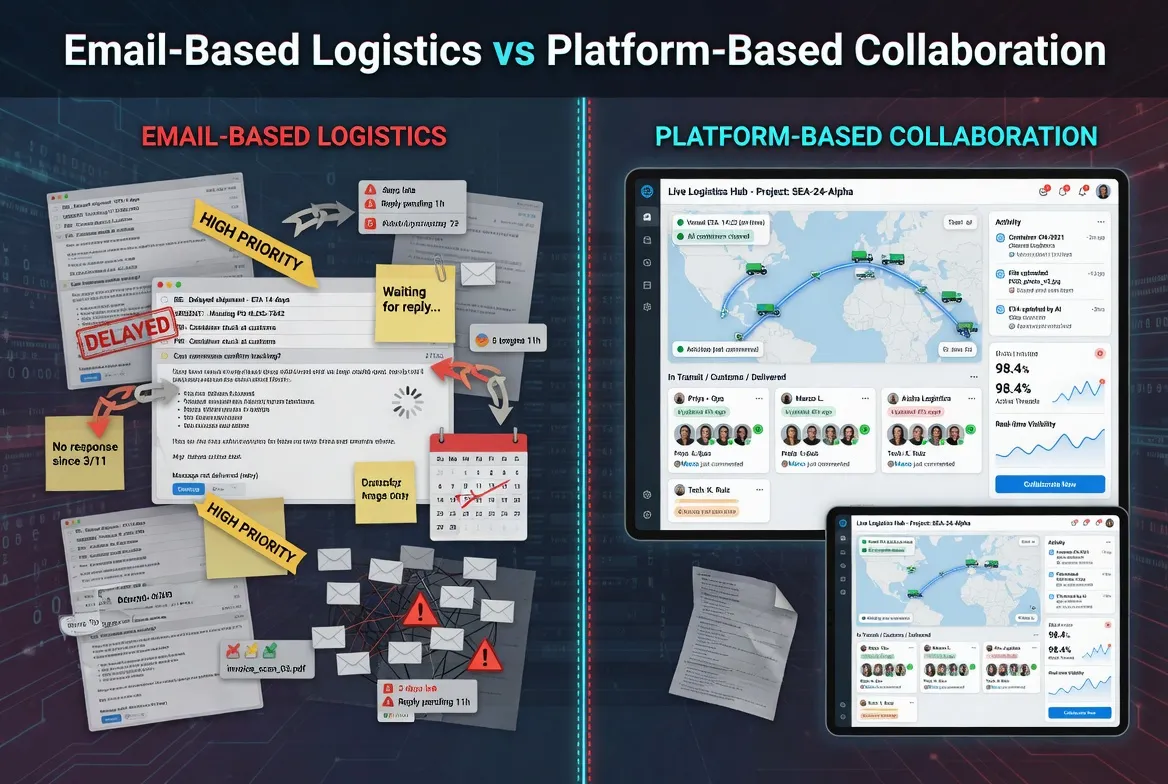
Freight platforms manage logistics financial data by centralizing all cost, revenue, billing, and payment information within a unified system, linking it directly to shipment operations, and automating data capture and processing. Through real-time synchronization, structured workflows, and integrated financial modules, these platforms ensure that logistics financial data is accurate, consistent, and accessible across the organization.
In today’s logistics environment—where operations span multiple regions, partners, and systems—financial data is often fragmented and difficult to manage. Freight platforms solve this by creating a single source of truth, enabling better financial control, transparency, and decision-making.
What is Logistics Financial Data?
Logistics financial data refers to all financial information associated with logistics operations.
This includes:
Cost Data
Carrier and transportation costs
Warehousing and handling fees
Customs duties and compliance costs
Third-party service charges
Revenue Data
Freight charges billed to customers
Service fees and surcharges
Contract-based or dynamic pricing revenue
Transactional Data
Invoices (customer and supplier)
Payment records
Credit and debit notes
Analytical Data
Shipment-level profit and loss
Financial performance metrics
Cash flow data
In freight platforms, all these data types are interconnected and linked to shipment activities.
Why Managing Financial Data Matters
Effective financial data management is critical for logistics companies.
1. Data Accuracy
Fragmented systems often lead to inconsistent or duplicated data.
2. Financial Visibility
Companies need real-time insights into costs, revenue, and profitability.
3. Operational Efficiency
Manual data handling slows down financial processes.
4. Compliance and Auditability
Accurate records are essential for regulatory compliance and audits.
5. Strategic Decision-Making
Reliable data supports pricing, cost control, and business planning.
How Freight Platforms Manage Logistics Financial Data
Freight platforms use a combination of integration, automation, and structured data models to manage financial data:
1. Centralized Data Repository
All financial data is stored in a unified system:
Shipment-related financial data
Billing and invoicing data
Payment and reconciliation data
This eliminates data silos and ensures consistency across departments.
2. Integration with Operational Systems
Financial data is directly linked to operational data:
Shipment creation generates initial financial records
Operational milestones update financial data
Completion triggers final financial processes
This ensures that financial data reflects real logistics activities.
3. Automated Data Capture
Freight platforms automate data capture through:
AI-based recognition of invoices and documents
Integration with external systems (ERP, WMS, carriers)
Predefined pricing and cost rules
This reduces manual input and improves accuracy.
4. Data Structuring and Standardization
Financial data is structured in a consistent format:
Standardized cost and revenue categories
Unified data fields across shipments and transactions
Consistent naming and classification
This enables easier analysis and reporting.
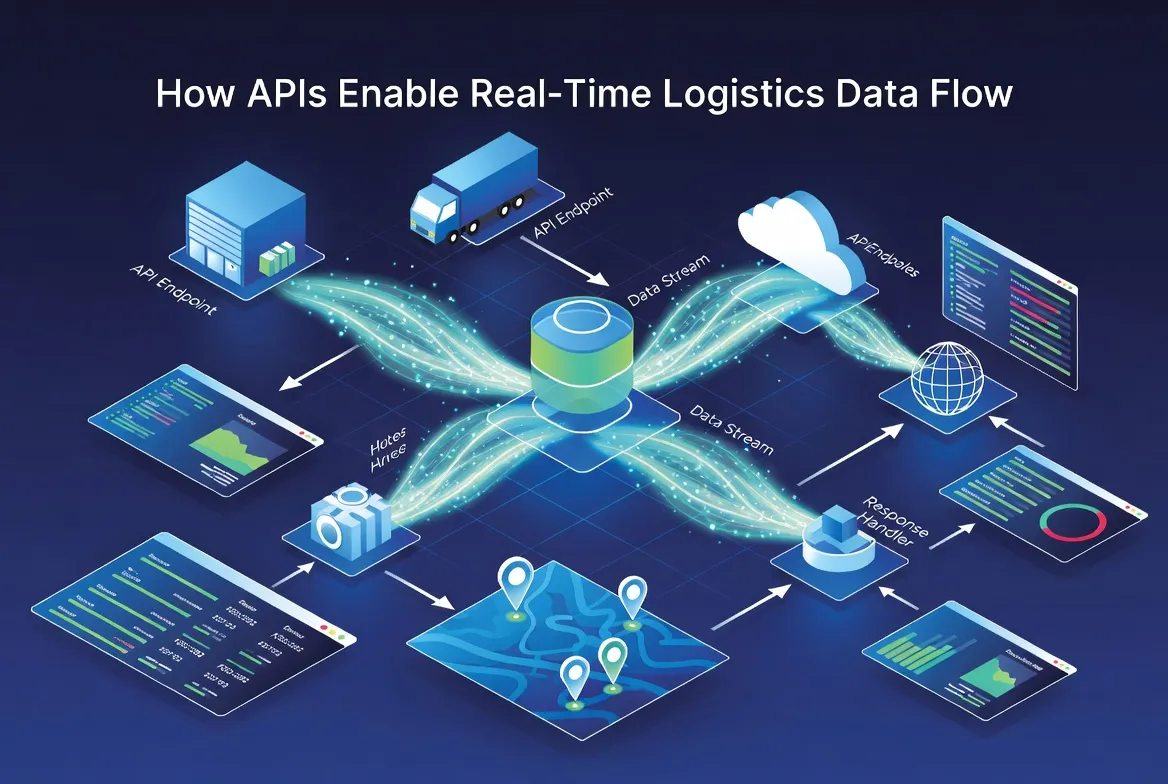
5. Real-Time Data Synchronization
All financial data is updated in real time:
Changes in shipment status reflect immediately in financial records
New invoices and payments are recorded instantly
Dashboards provide up-to-date insights
This supports timely decision-making.
6. Multi-Role Data Access and Collaboration
Different stakeholders interact with financial data:
Operations teams input shipment-related data
Finance teams manage billing and payments
Sales teams define pricing structures
External partners provide cost information
A collaborative platform ensures controlled access and data consistency.
7. Data Analysis and Reporting
Freight platforms provide analytical tools for:
Profitability analysis
Cost and revenue trends
Cash flow monitoring
Exception detection
These insights support both operational and strategic decisions.
Key Features / Key Capabilities
Freight platforms include advanced features for managing financial data:
Centralized Data Management
Single source of truth for all financial informationAutomated Data Capture
AI-driven extraction and integrationIntegrated Financial Workflows
Seamless connection between operations and financeReal-Time Visibility
Continuous access to financial data and insightsMulti-Currency Support
Handles global financial transactionsCollaboration Tools
Enables multi-role coordinationData Standardization
Ensures consistency and accuracy
Benefits for Logistics Companies
Improved Data Accuracy
Automation reduces errors and inconsistencies.
Enhanced Visibility
Real-time access to financial data improves transparency.
Faster Financial Processes
Automated workflows accelerate billing and reconciliation.
Better Decision-Making
Reliable data supports strategic planning and optimization.
Scalable Data Management
Digital platforms handle increasing data volume and complexity.
Best Practices / Use Cases
1. Centralizing Financial Data
Use a unified platform to eliminate data silos.
2. Automating Data Entry
Leverage AI to capture invoice and transaction data.
3. Integrating Systems
Connect operational and financial systems for seamless data flow.
4. Standardizing Data Structures
Ensure consistent data formats for analysis and reporting.
5. Monitoring Data in Real Time
Use dashboards to track financial performance continuously.
Conclusion
Freight platforms play a critical role in managing logistics financial data by centralizing information, automating processes, and integrating financial workflows with operations. This enables logistics companies to achieve greater accuracy, efficiency, and visibility in their financial management.
As logistics operations continue to grow in complexity, effective financial data management is essential for maintaining control, ensuring compliance, and supporting sustainable business growth.
Frequently Asked Questions
What is logistics financial data?
It refers to all financial information related to logistics operations, including costs, revenue, invoices, and payments.
How do freight platforms manage financial data?
They centralize data, automate data capture, integrate with operational systems, and provide real-time visibility.
Why is financial data management important in logistics?
It ensures accuracy, improves efficiency, supports compliance, and enables better decision-making.
What are the benefits of digital financial data management?
It reduces errors, speeds up processes, enhances visibility, and supports scalable operations.
About WallTech
WallTech provides digital logistics solutions that help companies manage financial data within a unified operational framework. By enabling end-to-end collaboration across multiple roles and connecting upstream and downstream partners, WallTech ensures that financial data is aligned with shipment activities in real time. Its platforms offer milestone-based tracking for full visibility, combined with automation capabilities such as AI-driven data recognition, billing, and reconciliation. This integrated approach allows logistics companies to manage financial data more efficiently while improving accuracy, transparency, and scalability.
If you're exploring ways to improve your logistics operations, feel free to connect with us to learn more about our solutions and system capabilities.
.webp "Key Features of a Digital Freight Documentation Platform")