Mar 20,2026
Key Features of International E-Commerce Logistics Platforms
Introduction
Logistics software for cross-border fulfillment companies is a digital platform designed to manage international order processing, warehouse operations, shipment execution, and last-mile delivery within a unified system. It enables companies to handle high volumes of cross-border eCommerce orders efficiently while maintaining visibility, compliance, and coordination across multiple regions.
As global eCommerce continues to expand, cross-border fulfillment operations have become increasingly complex, requiring integrated systems to manage fragmented workflows and ensure timely delivery.
What is Logistics Software for Cross-Border Fulfillment
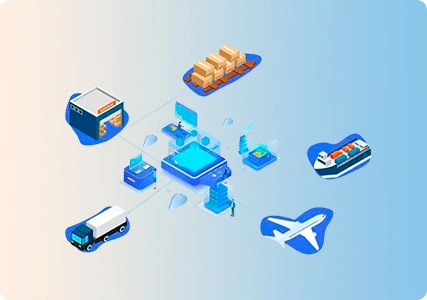
Logistics software for cross-border fulfillment companies is a specialized solution that supports the end-to-end fulfillment lifecycle for international orders. It connects multiple operational components, including:
Order management (OMS)
Warehouse management (WMS)
Transportation and shipping coordination
Customs and compliance processes
Last-mile delivery tracking
Unlike traditional logistics systems, cross-border fulfillment software is designed to handle:
High-frequency small parcel shipments
Multi-country operations
Integration with eCommerce platforms
Complex customs and tax requirements
It serves as the digital backbone for cross-border logistics providers, enabling seamless coordination between upstream platforms and downstream delivery networks.
Why Logistics Software Matters for Cross-Border Fulfillment
Cross-border fulfillment companies face unique operational challenges, including:
Fragmented systems across order, warehouse, and transport processes
Manual order processing and data entry
Limited visibility across international shipment stages
Complex customs regulations and tax handling
High operational pressure during peak seasons
Without integrated software, these challenges lead to:
Delayed order processing
Increased error rates
Poor customer experience
Inefficient resource utilization
Logistics software addresses these issues by:
Integrating operations across the fulfillment lifecycle
Automating workflows to reduce manual effort
Providing real-time visibility into orders and shipments
Ensuring compliance with cross-border regulations
Supporting scalability for high-volume operations
For cross-border eCommerce logistics, system capability directly impacts delivery performance and customer satisfaction.
How Logistics Software for Cross-Border Fulfillment Works
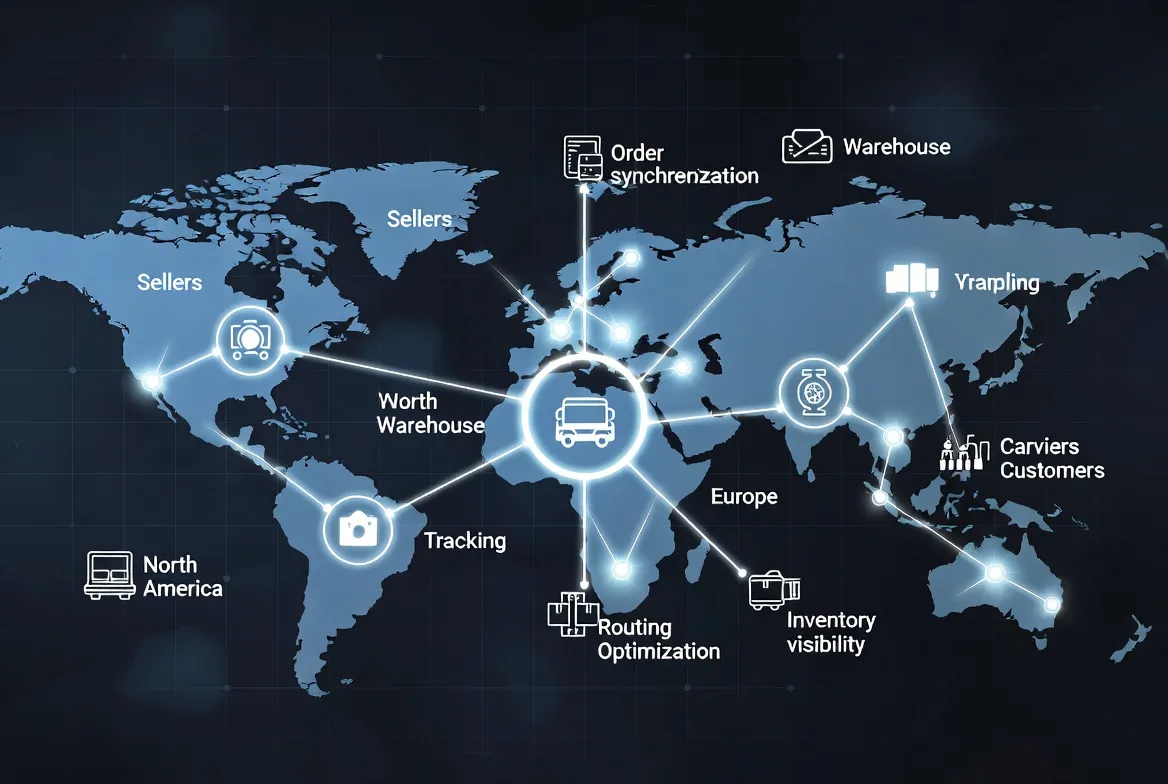
A cross-border fulfillment system connects multiple operational layers into a unified workflow:
1. Order Integration
Orders are automatically synchronized from eCommerce platforms via API connections, enabling real-time order intake without manual downloads or uploads.
2. Warehouse Processing
Orders are processed within the warehouse system, including picking, packing, and inventory updates.
3. Shipment Creation and Labeling
Shipping labels and documentation are generated automatically, reducing manual input and errors.
4. Customs and Compliance Handling
The system prepares required customs data, supports declaration processes, and ensures compliance with destination country regulations.
5. Transportation and Last-Mile Coordination
Shipments are handed over to carriers and last-mile providers, with tracking data integrated into the system.
6. End-to-End Tracking and Visibility
All shipment events are tracked through milestones, providing a unified timeline from order creation to final delivery.
Key Features of Cross-Border Fulfillment Logistics Software
1. End-to-End Visibility
Real-time tracking across the entire fulfillment lifecycle
Milestone-based shipment monitoring
Unified timeline for orders and shipments
2. Multi-Role and Multi-Party Collaboration
Coordination between warehouse, operations, and customer service teams
Integration with carriers, customs brokers, and last-mile providers
Upstream and downstream data connectivity
3. Workflow Automation
Automated order processing and task assignment
Trigger-based workflows for fulfillment stages
Reduced manual intervention
4. AI Data Recognition and Processing
OCR-based extraction of shipping and customs data
Reduced manual data entry errors
Faster document processing
5. Financial Automation
Automated billing and cost allocation
Real-time revenue and expense tracking
Automated reconciliation processes
6. System Integration Capabilities
API connectivity with eCommerce platforms (e.g., marketplaces, online stores)
Integration with WMS, TMS, and carrier systems
EDI support for standardized data exchange
Benefits for Logistics Companies
Implementing cross-border fulfillment logistics software delivers significant advantages:
Faster order processing: Automated workflows reduce processing time
Improved accuracy: Reduced manual input minimizes errors
Enhanced visibility: Real-time tracking improves operational control
Better customer experience: Transparent tracking and faster delivery
Scalability: Systems support high-volume operations during peak periods
Compliance assurance: Structured processes reduce regulatory risks
These benefits are essential for logistics providers supporting global eCommerce growth.
Best Practices / Use Cases
1. Real-Time Order Synchronization
Integrate directly with eCommerce platforms to ensure orders are processed immediately, reducing delays.
2. Unified OMS–WMS–Logistics Integration
Connect order management, warehouse operations, and shipment execution within a single system to eliminate data silos.
3. Automated Customs Data Handling
Use system-generated data and templates to simplify customs declarations and reduce compliance risks.
4. Multi-Carrier Management
Integrate multiple carriers and last-mile providers to optimize delivery options and costs.
5. Peak Season Scalability
Leverage automation and system integration to handle large order volumes during peak periods such as holidays or promotional events.
Conclusion
Logistics software for cross-border fulfillment companies is essential for managing the complexity of global eCommerce operations. By integrating order processing, warehouse management, shipment execution, and tracking into a unified platform, it enables logistics providers to operate efficiently, maintain visibility, and scale their business.
As cross-border eCommerce continues to grow, adopting advanced logistics systems will be critical for staying competitive and delivering high-quality service.
Frequently Asked Questions
What is cross-border fulfillment logistics software?
It is a system that manages international order processing, warehouse operations, shipping, and delivery within a unified platform.
How does cross-border logistics software work?
It integrates order data from eCommerce platforms, manages warehouse and shipping processes, handles customs compliance, and provides real-time tracking.
Why is logistics software important for cross-border fulfillment?
It improves efficiency, reduces errors, enhances visibility, and ensures compliance with international regulations.
What features should cross-border fulfillment software include?
Key features include order integration, warehouse management, shipment tracking, workflow automation, and system integration capabilities.
About WallTech
WallTech provides digital logistics solutions designed to support cross-border fulfillment companies in managing complex global operations. Its platforms enable end-to-end collaboration across warehouse, operations, and partner networks, while offering real-time shipment visibility through milestone-based tracking. With capabilities such as workflow automation, AI-driven data recognition, and automated financial processes including billing and reconciliation, WallTech helps logistics businesses improve efficiency, ensure accuracy, and scale their cross-border operations effectively.
If you're exploring ways to improve your logistics operations, feel free to connect with us to learn more about our solutions and system capabilities.