
Apr 08,2025
Building Core Competencies of a Cross-Border Small Parcel Direct Mail Logistics System
Introduction
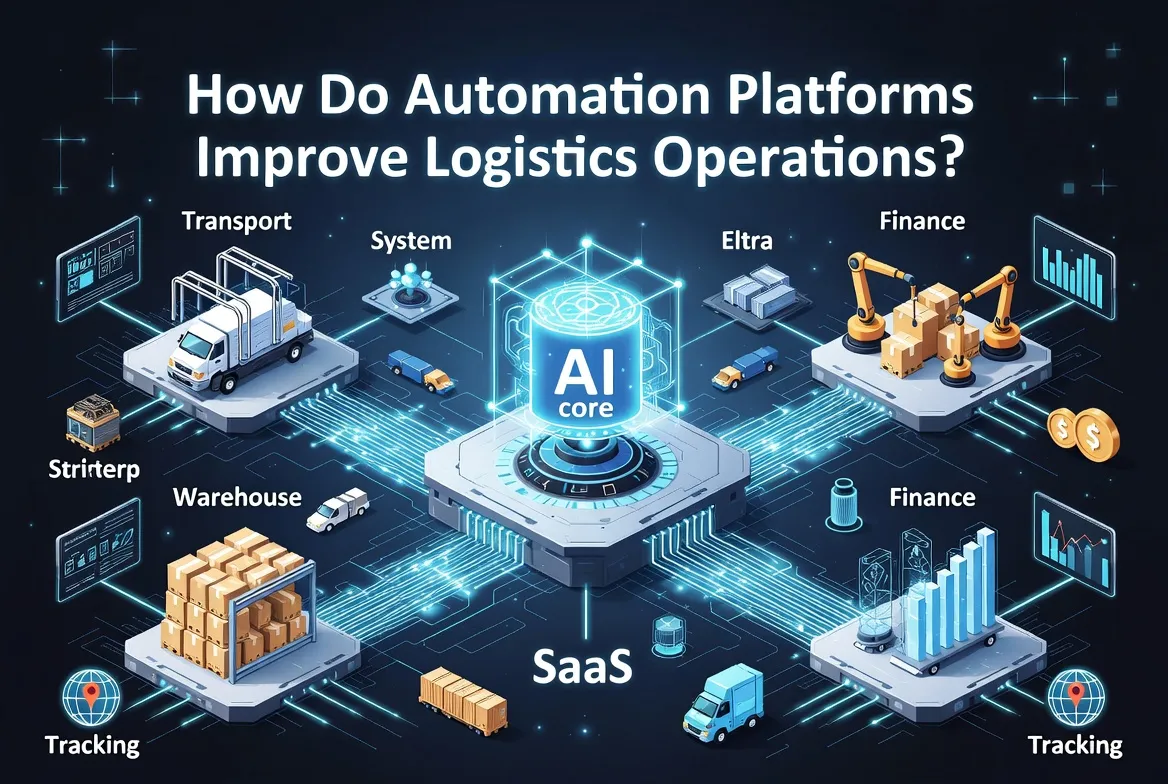
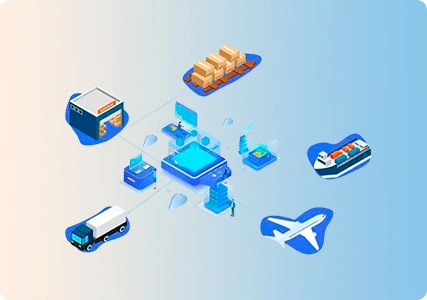
Logistics companies manage partner collaboration digitally by using centralized platforms that connect all stakeholders, standardize workflows, enable real-time data sharing, and automate operational and financial processes. These digital systems allow freight forwarders, carriers, agents, and warehouses to collaborate within a unified environment, ensuring efficient coordination across the entire shipment lifecycle.
As global logistics operations become more complex, managing partner collaboration through manual methods is no longer sustainable. Digital collaboration platforms provide the structure, visibility, and automation needed to handle multi-party operations at scale.
What is Digital Partner Collaboration in Logistics?
Digital partner collaboration in logistics refers to the use of technology platforms to coordinate activities between multiple stakeholders involved in supply chain operations. These stakeholders include:
Freight forwarders
Carriers (air, ocean, trucking)
Local and overseas agents
Warehousing providers
Customs brokers
Digital collaboration involves:
Sharing shipment data in real time
Coordinating operational tasks
Managing documentation centrally
Tracking shipment progress
Handling financial transactions across partners
Unlike traditional collaboration methods, digital systems provide a structured and transparent environment for all participants.
Why Digital Collaboration Matters
Managing logistics partnerships manually introduces several challenges:
1. Fragmented communication channels
Emails, spreadsheets, and messaging apps create disconnected information flows.
2. Lack of real-time visibility
Partners do not have access to the same up-to-date shipment information.
3. Operational inefficiencies
Manual coordination increases workload and slows down execution.
4. Data inconsistency and errors
Multiple data entries lead to discrepancies and inaccuracies.
5. Limited scalability
As partner networks grow, manual processes become unmanageable.
Digital collaboration addresses these challenges by centralizing operations and enabling seamless coordination across all stakeholders.
How Digital Collaboration Works
Logistics companies manage partner collaboration digitally through structured system processes:
1. Centralized shipment management
All shipment data is created and stored in a single platform, ensuring consistency across partners.
2. Multi-role access control
Each partner is assigned a role with defined permissions, enabling controlled access to relevant information.
3. Real-time milestone tracking
Shipment progress is tracked through standardized milestones, providing a unified timeline.
4. Data synchronization across partners
Updates made by one stakeholder are instantly visible to others.
5. Workflow automation
Tasks, approvals, and notifications are automatically triggered based on predefined rules.
6. Integrated financial processes
Billing, invoicing, and reconciliation are managed within the same system.
This approach ensures that all partners are aligned and working efficiently.
Key Features / Key Capabilities
Digital logistics platforms provide several capabilities to support partner collaboration:
1. Multi-role collaboration framework
Enables coordination between internal teams and external partners
Supports upstream and downstream integration
2. End-to-end visibility
Provides real-time tracking across all shipment stages
Offers a unified timeline for all stakeholders
3. Workflow automation
Automates repetitive tasks and operational processes
Reduces manual coordination
4. AI-driven data recognition
Automatically extracts data from shipping documents
Improves accuracy and efficiency
5. Document management
Centralizes storage and sharing of documents
Ensures accessibility and version control
6. Financial automation
Supports automated billing and invoicing
Simplifies reconciliation across partners
These features create a digital environment where collaboration becomes efficient and scalable.
Benefits for Logistics Companies
Digital partner collaboration delivers several advantages:
Improved efficiency
Standardized workflows reduce manual work and streamline operations.
Enhanced visibility
Real-time data sharing provides full transparency across the supply chain.
Better coordination
All stakeholders operate within a single system, reducing communication gaps.
Reduced errors
Automation minimizes manual data entry and inconsistencies.
Scalability
Companies can expand partner networks without increasing complexity.
Stronger customer service
Accurate and timely updates improve customer satisfaction.
Best Practices / Use Cases
To effectively manage partner collaboration digitally, logistics companies should follow these best practices:
1. Centralize all operations
Ensure all shipment-related activities are managed within one platform.
2. Standardize workflows
Define consistent processes for all partners.
3. Enable real-time updates
Encourage partners to update shipment data promptly.
4. Automate key processes
Reduce manual workload through workflow automation.
5. Integrate systems across partners
Connect digital platforms with ERP, WMS, and carrier systems.
Use case example:
A freight forwarder managing global shipments collaborates with:
Origin agents in Asia
Ocean carriers for international transport
Destination agents in Europe
Using a digital platform:
Shipment data is shared across all partners
Milestones are updated in real time
Documents are centrally managed
Financial processes are automated
This improves coordination and reduces operational delays.
Conclusion
Digital collaboration has become essential for logistics companies managing complex global operations. By leveraging centralized platforms, real-time visibility, and automation, companies can transform fragmented partner interactions into structured, efficient workflows.
As logistics networks continue to expand, digital collaboration will be a key driver of operational excellence and competitive advantage.
Frequently Asked Questions
What is digital partner collaboration in logistics?
It refers to using digital platforms to coordinate activities and share data between logistics stakeholders in real time.
How do logistics companies manage collaboration digitally?
They use centralized systems with real-time tracking, workflow automation, and role-based access.
Why is digital collaboration important in logistics?
It improves efficiency, reduces errors, and enhances visibility across the supply chain.
What are the benefits of digital collaboration platforms?
They streamline operations, improve coordination, and support scalable growth.
About WallTech
WallTech provides digital logistics solutions that help companies manage partner collaboration through integrated platforms. Its systems support end-to-end coordination, real-time shipment visibility, and workflow automation, enabling logistics providers to operate more efficiently across global networks. By connecting multiple stakeholders into a unified digital environment, WallTech helps reduce operational complexity and improve scalability in modern logistics operations.
If you're exploring ways to improve your logistics operations, feel free to connect with us to learn more about our solutions and system capabilities.

.webp "Key Capabilities of Modern Logistics Operations Control Platforms")