Mar 24,2026
The Role of Logistics Process Automation in Modern Logistics
In today’s fast-evolving global trade environment, the logistics landscape is more complex than ever. Multiple stakeholders—freight forwarders, carriers, customs authorities, warehouses, and end customers—interact across an expanding network of transport modes, regulatory systems, and technologies. Traditional logistics operations, built on fragmented data flows and siloed systems, can no longer keep pace with customer expectations or competitive demands.
An integrated logistics management platform consolidates logistics workflows, data flows, and financial processes into a unified digital ecosystem. By centralizing operations on a single platform, organizations gain real-time visibility, automated workflows, standardized compliance, and data-driven decision support, boosting operational performance and reducing cost and risk across the full supply chain.
What is an Integrated Logistics Management Platform?
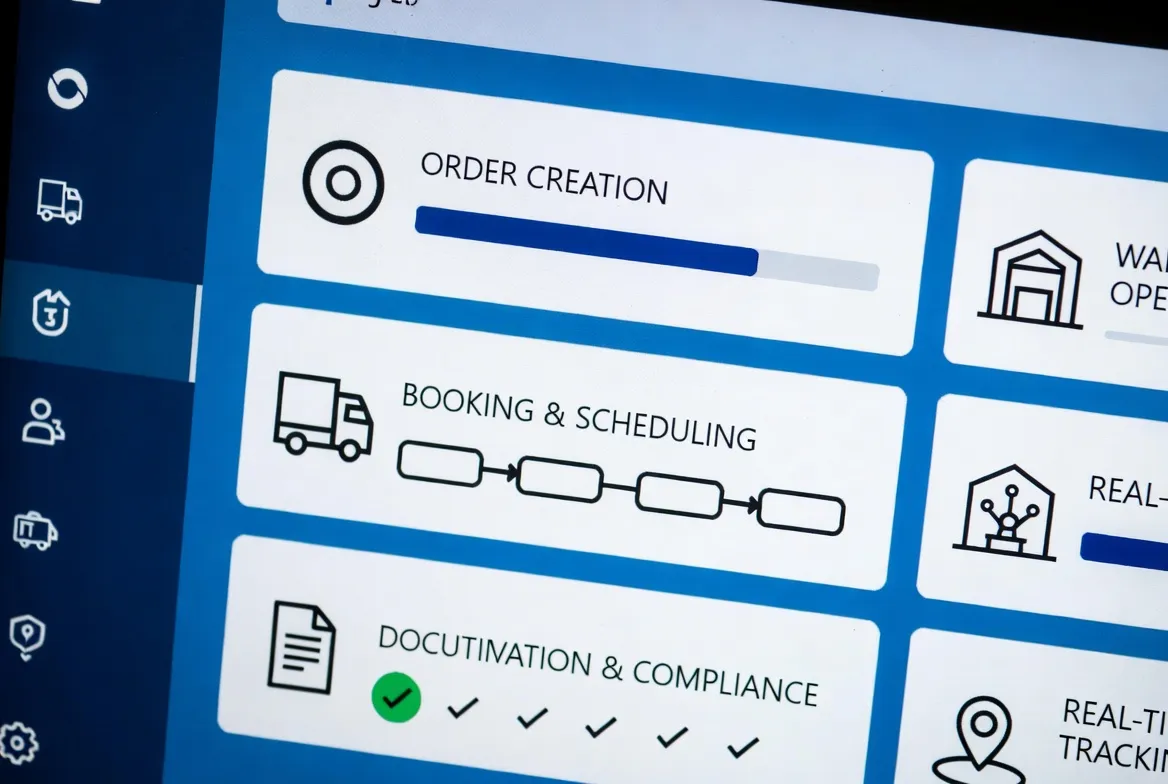
An integrated logistics management platform is a digital operations hub that orchestrates logistics end-to-end, connecting workflows from quoting and booking to customs, warehousing, transportation, tracking, and settlement.
Unlike patchwork solutions that require manual data transfers, fragmented spreadsheets, or disconnected point tools, modern integrated logistics systems provide:
Unified dashboards for end-to-end shipment control
Automated workflow logistics engines that eliminate repetitive tasks
Standardized data models for multi-partner operations
Real-time information flows across partners and regions
These capabilities align with the evolving definition of logistics management software, which is to unify physical processes and digital information flows so that operations become transparent, measurable, and scalable.
Key Functions in an Integrated Logistics Platform
Intelligent Quotation & Booking Engine
A centralized capacity and rate database enables logistics planners to request, compare, and select optimized shipping solutions across sea, air, rail, and road. Advanced algorithmic matching considers cost, transit time, carrier reliability, and service terms to generate optimal plans. This accelerates response time and reduces booking errors.
With direct carrier API integrations:
Booking confirmation becomes automated
Container availability updates in real time
Manual coordination is minimized
Paperless Documentation & Digital Workflows
In international trade, documentation is extensive and varies across regions. An integrated logistics management system automates:
Document generation (e.g., bills of lading, commercial invoices)
Optical character recognition (OCR) and AI-assisted data capture
Automatic format conversion and compliance validation
Digital approvals and archive management
This digitization significantly reduces manual effort, improves accuracy, and ensures that documentation meets country-specific compliance requirements.
Cross-Border Compliance & Risk Control
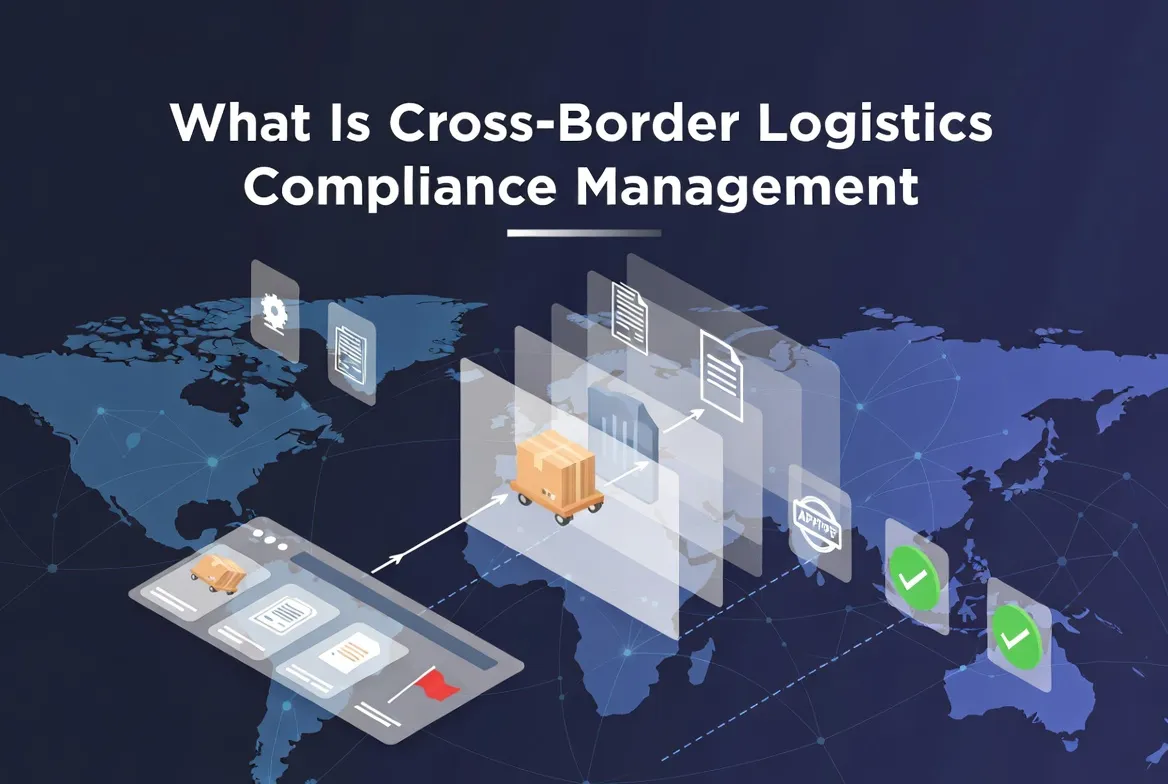
A centralized compliance engine maintains up-to-date tariffs, trade rules, customs requirements, and regulatory data across jurisdictions. Intelligent checks validate critical fields such as HS codes, consignee details, and regulatory flags before submission, reducing delays, fines, and cargo inspections. Proactive risk modeling and exception alerts provide early warning when shipments face potential compliance breaches or operational delays, enabling logistics teams to respond ahead of impact.
Warehouse & Inventory Management
Real-time visibility into inventory movements improves decision-making for inbound, outbound, and storage operations.
Features include:
Automated stock visibility updates
Digital inbound and outbound workflows
Smart optimization for stock allocation
Integration with transportation modules
By syncing warehouse and shipping data, enterprises avoid stockouts or excess inventory, improving order fulfillment and reducing overhead.
End-to-End Shipment Tracking & Visibility
Modern logistics systems integrate GPS, IoT, and multi-source carrier data to deliver detailed tracking from origin to delivery, automated exception alerts and estimated time of arrival (ETA) predictions. The logistics management systems share visibility for all stakeholders, ensuring transparency for planners, operations, and customers alike.
Financial Settlement, Billing & Profitability Analytics
Integrated financial tools automate freight cost calculations, invoice reconciliation, multi-currency settlement, and profitability tracking. Embedded analytics help logistics teams:
Monitor cost drivers
Assess customer profitability
Forecast revenue and expense trends
Evaluate pricing strategies
Such financial integration ensures that logistics decisions are not only operationally sound but economically optimized.
Multi-Stakeholder Collaboration & Role Management
An integrated logistics management platform supports role-based access for shippers, freight forwarders, carriers, customs agents and warehouse partners. Shared workflows, task assignment automation, and synchronized progress tracking streamline communication and coordination, reducing error rates and accelerating process cycles.
Core Benefits of an Integrated International Logistics Platform
Unified Workflows Eliminate Information Silos
A single source of truth allows data to flow automatically across modules and partners, reducing redundancy, data inconsistencies, and manual synchronization efforts. According to logistics management best practices, centralized visibility allows stakeholders to monitor performance, track KPIs, and resolve bottlenecks faster than traditional decentralized systems.
Automation Drives Operational Efficiency
By automating repetitive tasks such as rate comparison, booking, documentation, and billing, companies can reduce human error, shorten processing times, increase throughput and lower labor costs. Automation also enables logistics personnel to focus on exception handling, customer engagement, and strategic optimization instead of administrative work.
Predictive Insights Strengthen Risk Control
Intelligent exception monitoring helps logistics teams detect deviations before they become crises. Early alerts for compliance risks, transit delays, or documentation gaps empower proactive resolution and strengthen service reliability. Predictive insights are now considered fundamental for modern logistics systems, especially as global networks become more interconnected and unpredictable.
Data-Driven Decision Making
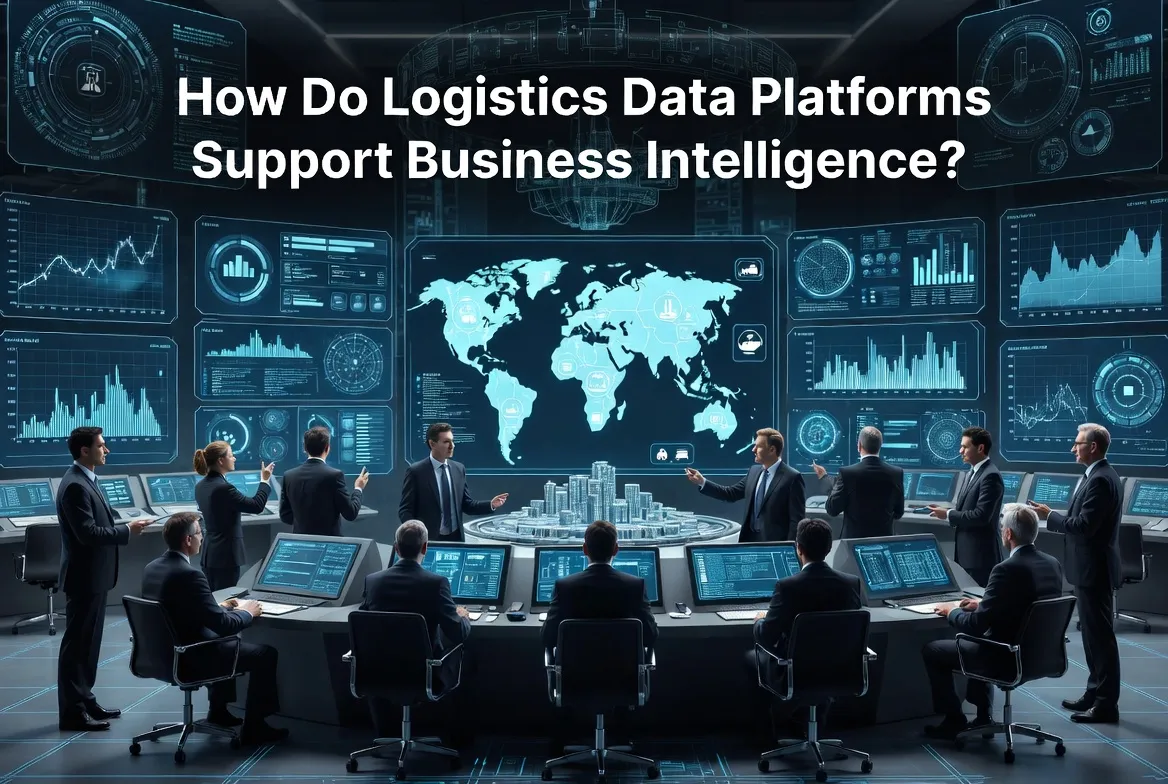
Integrated global logistics platforms consolidate operational data into performance dashboards and business intelligence tools. Typical analytics include:
Carrier performance comparison
Cost breakdown analysis
Transit time trends
Profitability by route or customer
These insights help logistics leaders shift from reactive troubleshooting to strategic planning.
Scalability & Flexibility for Business Growth
Modular design and open APIs allow platforms to grow with business needs—from small-scale logistics teams to global freight networks. Integration with ERP, CRM, TMS, and WMS systems future-proofs operations and ensures long-term adaptability. This modular scalability aligns with enterprise software trends where integration and extensibility are key drivers of platform longevity.
CargoWare: A Comprehensive Integrated Logistics Management Solution
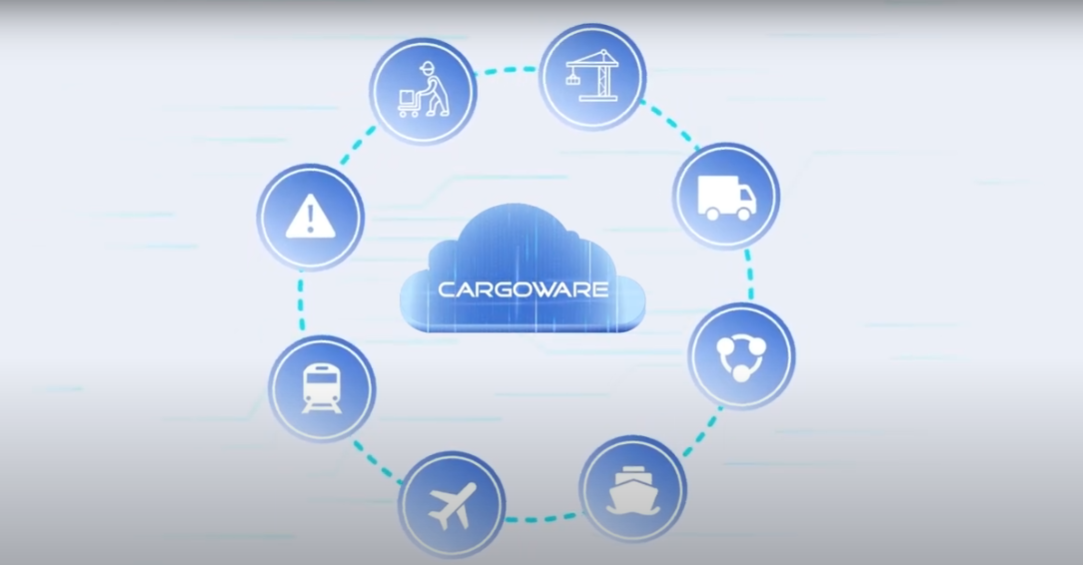
Overcoming Fragmented Data & Operational Chaos: Traditional logistics often suffers from disconnected data stored in spreadsheets, emails, or isolated software. CargoWare breaks these silos through a unified data hub, real-time API integrations with carriers, ports, and customs, shared workflows across roles and task automation. This ensures consistency, accelerates collaboration, and improves cross-partner visibility.
Streamlining Documentation & Compliance: CargoWare’s AI-powered document processing automates generation, standardization, and compliance validation. By connecting to global regulatory databases, the system reduces errors and accelerates customs clearance, transforming documentation from a bottleneck into a streamlined operational step.
Real-Time Cost Control: Dynamic cost capture enables logistics teams to monitor transportation costs, customs expenses, warehousing fees, overheads and shared allocations. Real-time cost data supports pricing optimization, contract negotiation, and margin analysis, closing the gap between operations and financial planning.
Digital transformation is a strategic imperative. Integrated international logistics management platforms enable organizations to break data silos, automate complex workflows, predict and mitigate operational risk, make smarter, data-driven decisions, and scale with confidence. For logistics enterprises navigating growth and complexity, choosing the right digital logistics platform and implementation partner will determine future competitiveness and sustainable success.