



Jan 20,2025
Current Situation and Development Trends of E-Commerce Logistics Software
Introduction
Supply chain collaboration refers to the coordinated interaction between different organizations involved in producing, transporting, and delivering goods. In global supply chains, collaboration platforms and digital systems help companies share information, align operations, and manage shipments across multiple partners and regions.
What Is Supply Chain Collaboration?
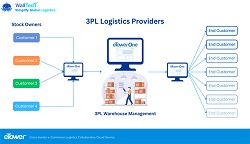
Supply chain collaboration is the process of sharing information and coordinating activities between companies that participate in the supply chain. These participants may include manufacturers, suppliers, logistics providers, freight forwarders, warehouses, and retailers.
Because global supply chains involve many independent organizations, effective collaboration is necessary to ensure goods move smoothly from origin to destination. Companies must exchange shipment information, operational updates, and documentation throughout the logistics process.
Digital logistics platforms now provide structured environments where these stakeholders can collaborate through shared data and standardized workflows.
Why Collaboration Is Essential for Global Supply Chains
Global supply chains are highly interconnected and often involve long transportation routes, multiple transportation modes, and numerous service providers.
Without effective collaboration, companies may face challenges such as limited shipment visibility, delayed communication between partners, and operational inefficiencies.
For example, if shipment information is not shared in real time, downstream partners may not be prepared to handle cargo when it arrives. This can lead to delays, congestion, or additional operational costs.
Supply chain collaboration helps address these issues by improving information flow and enabling better coordination between supply chain participants.
Key Ways Collaboration Supports Global Logistics
1. Shared Shipment Visibility
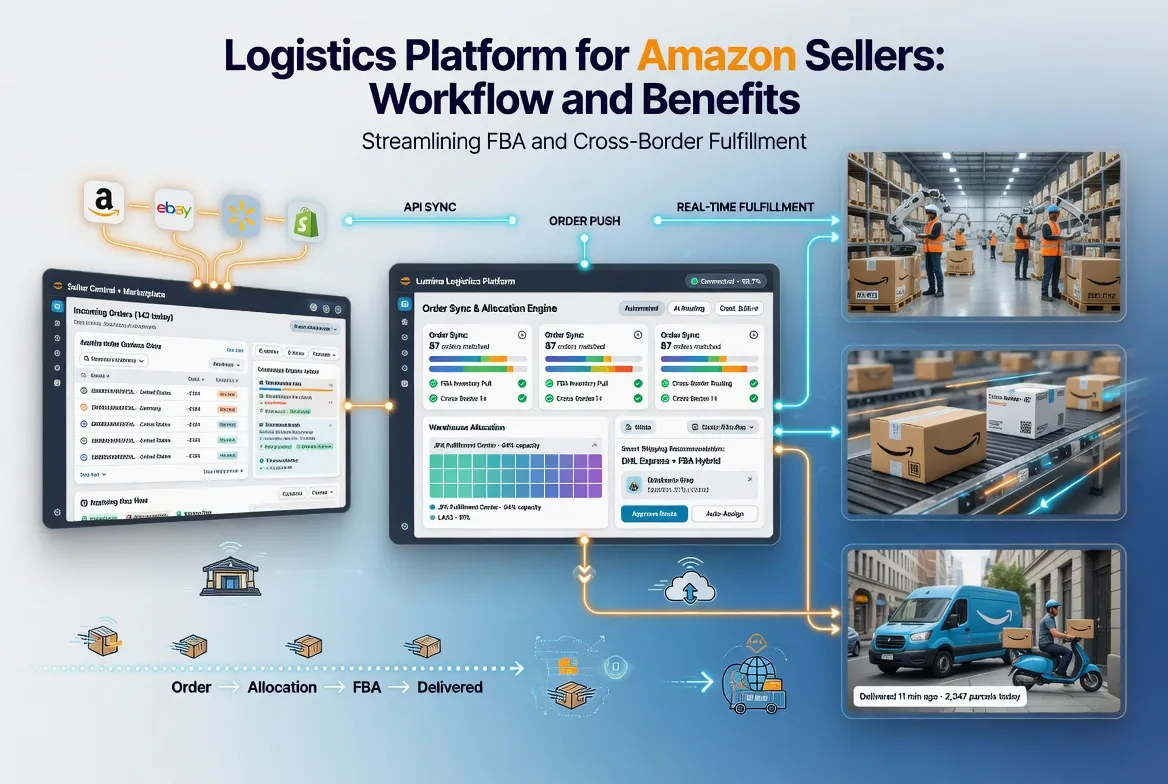
Collaboration platforms allow different companies to access shipment data through a centralized system. Operational milestones such as pickup, transportation, customs clearance, and delivery can be monitored by authorized partners.
This shared visibility helps supply chain participants understand shipment progress and prepare for upcoming operational steps.
2. Improved Coordination Across Partners
Global supply chains involve multiple logistics partners operating in different regions. Collaboration systems enable these partners to update operational data, exchange documents, and coordinate transportation activities within the same platform.
This structured coordination reduces communication gaps and improves operational efficiency.
3. Faster Response to Disruptions
Transportation disruptions, port congestion, and customs delays are common in international logistics. When partners collaborate through digital platforms, shipment issues can be identified and addressed more quickly.
Real-time information sharing allows logistics teams to adjust transportation plans and minimize operational impact.
4. Standardized Data and Processes
Collaboration platforms help standardize operational data and workflows across multiple companies. This ensures that shipment information is recorded consistently throughout the logistics process.
Standardization improves data accuracy and reduces operational confusion between partners.
Benefits for Logistics and Supply Chain Companies
Supply chain collaboration brings several operational advantages for companies managing global logistics networks.
First, collaboration improves operational efficiency by reducing manual coordination between partners. Shared systems allow companies to manage shipment information more effectively.
Second, visibility across the supply chain increases. Logistics teams can monitor shipment progress across different transportation stages and geographic regions.
Third, collaboration strengthens relationships between supply chain partners. When companies share reliable operational information, trust and long-term cooperation improve.
Finally, collaboration supports scalability. As companies expand into new markets or work with additional partners, digital collaboration platforms help maintain consistent operational coordination.
Best Practices for Building Collaborative Supply Chains
To successfully implement supply chain collaboration, companies should adopt several best practices.
Companies should use digital logistics platforms that allow multiple stakeholders to access shipment information within the same system.
Operational workflows should also be standardized to ensure partners follow consistent procedures across the supply chain.
Clear data-sharing policies and role-based access controls should be established so that partners can access relevant information while maintaining data security.
Finally, companies should encourage partners to adopt shared collaboration tools to maintain efficient communication and data exchange.
Conclusion
Supply chain collaboration plays a crucial role in managing modern global logistics networks. As shipments move through complex international transportation routes, coordination between multiple companies becomes essential.
Digital collaboration platforms support this coordination by enabling shared visibility, structured communication, and standardized operational workflows. By strengthening collaboration across supply chain partners, companies can operate more efficiently and maintain more resilient global logistics operations.