Apr 27,2026
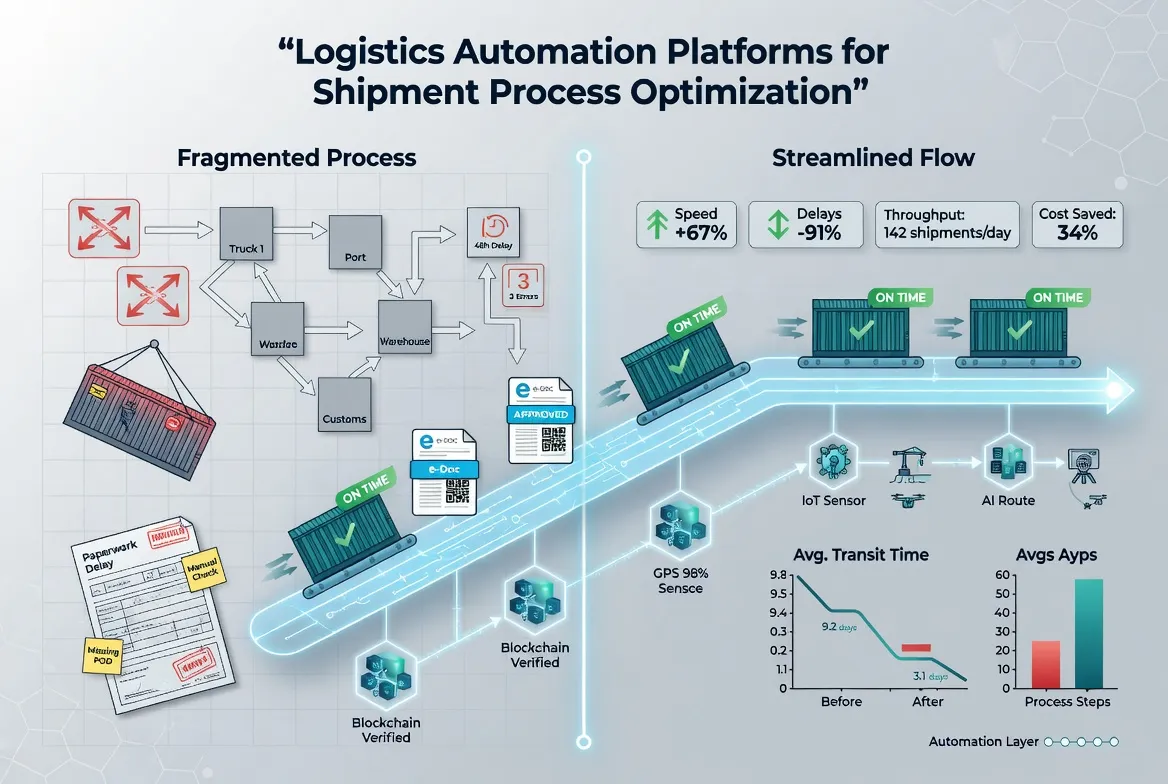
Logistics Automation Platforms for Shipment Process Optimization
Introduction
As supply chains become more digital and globally interconnected, traditional warehouse operations are no longer sufficient to handle the complexity of modern logistics. Businesses now require systems that provide real-time visibility, automation, and seamless integration across multiple operational nodes.
Digital warehouse management platforms represent the next evolution of warehouse systems. They go beyond basic inventory tracking by enabling end-to-end warehouse coordination, real-time data synchronization, and integration with broader logistics ecosystems.
What Are Digital Warehouse Management Platforms
A digital warehouse management platform is an advanced system that uses cloud technology, real-time data, and automation to manage warehouse operations across one or multiple locations.
Unlike traditional systems, digital platforms are designed to:
Operate in real time
Integrate with multiple external systems
Support global, multi-warehouse operations
Enable data-driven decision-making
These platforms act as a centralized hub that connects warehouse operations with upstream and downstream supply chain processes.
For example, digital warehouse platforms can integrate with e-commerce platforms, ERP systems, and logistics networks to synchronize orders, inventory, and fulfillment operations.
Why Digital Warehouse Platforms Are Important
Modern logistics environments require flexibility, speed, and visibility. Digital warehouse platforms address these needs by transforming how warehouse operations are managed.
Increasing Operational Complexity
Businesses often operate across multiple warehouses, regions, and sales channels.
Demand for Real-Time Data
Customers and managers expect instant access to inventory and order status.
Integration Requirements
Warehouses must connect with multiple systems, including order management, transportation, and financial systems.
Need for Scalability
As businesses grow, warehouse operations must scale without increasing operational inefficiencies.
Digital warehouse platforms provide the infrastructure needed to support these requirements.
How Digital Warehouse Management Platforms Work
Centralized Data Management
All warehouse data—inventory, orders, and operations—is stored in a centralized platform.
This ensures consistency and accessibility across different warehouse locations.
Real-Time Data Synchronization
Inventory and operational data are updated instantly as warehouse activities occur.
This enables real-time visibility into stock levels and warehouse performance.
Workflow Automation
Digital platforms automate warehouse processes such as:
Receiving and putaway
Picking and packing
Inventory updates
Order fulfillment
Multi-System Integration
Digital warehouse platforms connect with:
ERP systems
E-commerce platforms
Logistics and transportation systems
This ensures seamless data flow across the supply chain.
For example, warehouse systems can synchronize order data from external platforms and trigger warehouse operations automatically.
Key Features of Digital Warehouse Management Platforms
Real-Time Inventory Visibility
Track inventory levels, locations, and movement in real time across warehouses.
Multi-Warehouse Management
Manage inventory across multiple locations through a single platform.
Automation and Workflow Optimization
Automate repetitive tasks and optimize warehouse workflows to improve efficiency.
Inventory Control and Alerts
Set up automated alerts for:
Low stock levels
Overstock conditions
Inventory aging
Systems can also provide safety stock alerts and inventory aging monitoring to support proactive inventory management.
Integration Capabilities
Digital platforms integrate with various systems to enable end-to-end logistics coordination.
Data Analytics and Reporting
Advanced analytics tools provide insights into warehouse performance, inventory trends, and operational efficiency.
Benefits of Digital Warehouse Management Platforms
Improved Operational Efficiency
Automation and optimized workflows reduce manual effort and improve productivity.
Enhanced Inventory Accuracy
Real-time tracking ensures accurate inventory records.
Faster Order Fulfillment
Streamlined processes enable quicker order processing and shipment dispatch.
Better Decision-Making
Access to real-time data and analytics helps managers make informed decisions.
Scalability and Flexibility
Digital platforms allow businesses to expand operations without significant system limitations.
Best Practices for Implementing Digital Warehouse Platforms
Choose a Scalable Platform
Select a system that can support future growth and increased operational complexity.
Ensure System Integration
Connect the platform with existing ERP, e-commerce, and logistics systems.
Standardize Warehouse Processes
Define clear workflows before implementing the system.
Use Real-Time Monitoring
Leverage dashboards and analytics tools to monitor warehouse performance.
Train Teams Effectively
Ensure warehouse staff are trained to use digital tools and workflows.
Conclusion
Digital warehouse management platforms are transforming how warehouses operate in modern logistics environments. By providing real-time visibility, automation, and system integration, these platforms enable businesses to manage inventory more efficiently and respond quickly to changing demands.
As supply chains continue to evolve, adopting digital warehouse platforms will be essential for organizations seeking to improve operational efficiency, enhance visibility, and scale their logistics operations effectively.