Sep 07,2026
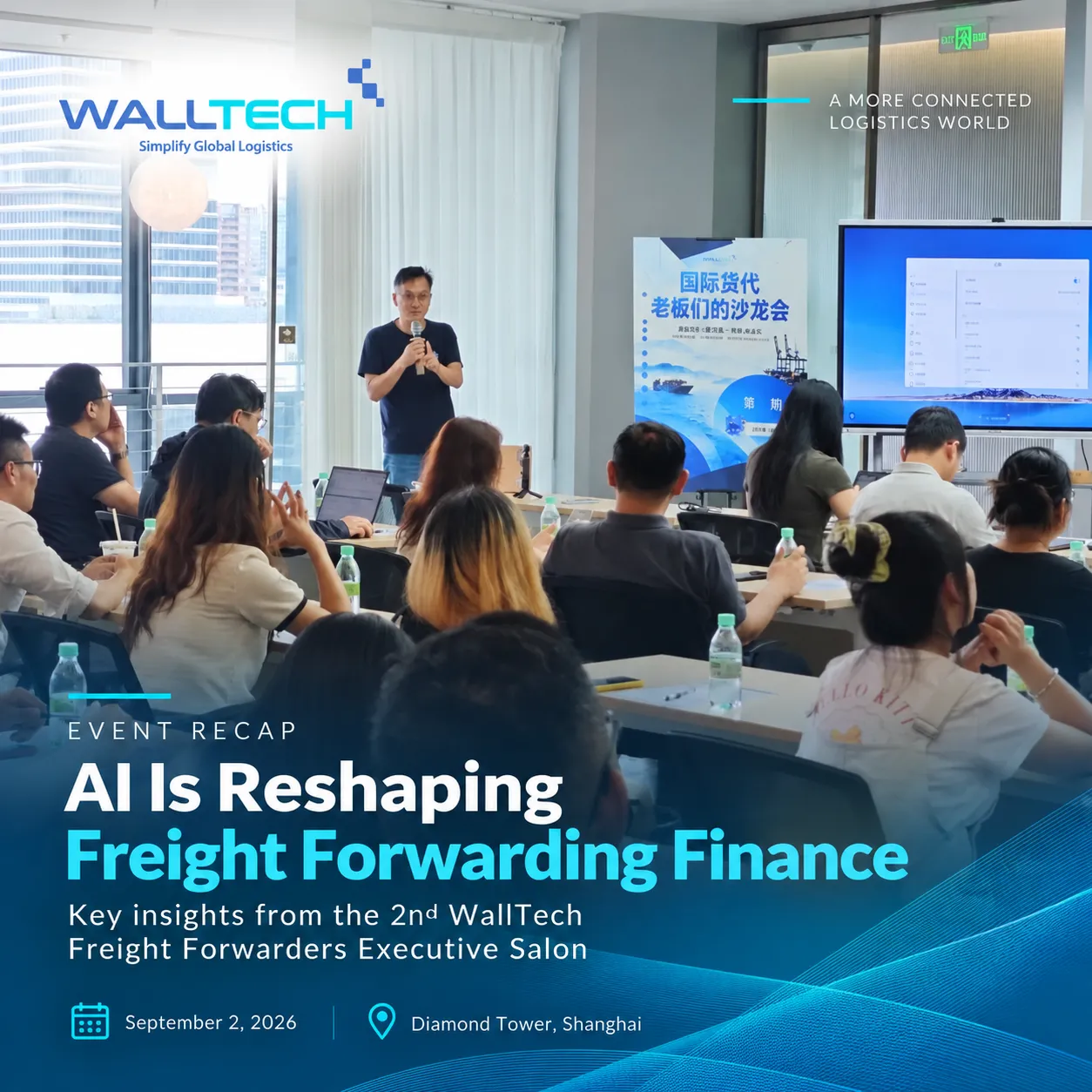
From Back Office to Competitive Advantage: AI Is Reshaping Freight Forwarding Finance
Introduction
Operational document control is a fundamental aspect of logistics management, ensuring that all documents related to shipments, operations, and compliance are accurate, accessible, and properly managed.
In many logistics organizations, document control is still handled through emails, shared folders, or manual processes, leading to version confusion, delays, and lack of accountability.
Operational document control solutions address these challenges by providing structured systems to manage documents throughout their lifecycle, improving efficiency and control across logistics operations.
What are Operational Document Control Solutions
Operational document control solutions are digital systems designed to manage the creation, storage, versioning, approval, and distribution of logistics-related documents in a controlled and structured manner.
These solutions cover documents such as:
Shipping and transport documents
Operational instructions and records
Compliance and customs documents
Financial and settlement documents
They ensure that documents are consistently managed and aligned with operational workflows.
Why Operational Document Control is Important
1. Maintaining Data Consistency
Without proper control, different versions of documents can lead to confusion and operational errors.
2. Ensuring Accountability
Tracking document changes helps identify who made updates and when.
3. Supporting Compliance Requirements
Many regulations require proper documentation and audit trails.
4. Improving Operational Efficiency
Structured document control reduces time spent searching, verifying, and correcting documents.
How Operational Document Control Solutions Work
1. Centralized Document Repository
All documents are stored in a unified system, linked to specific shipments or operational processes.
2. Version Control Management
The system tracks document versions, ensuring that users always access the latest and correct version.
3. Workflow-Based Approval Processes
Documents move through predefined workflows, including:
Creation
Review
Approval
Release
This ensures that documents are validated before use.
4. Access Control and Permissions
Role-based permissions define who can view, edit, or approve documents.
5. Audit Trail and Activity Logging
Every document action is recorded, providing full traceability and accountability.
6. Integration with Operational Systems
Document control solutions integrate with order management, tracking, and financial systems for real-time synchronization.
Systems support document export and template configuration within operational workflows, enabling structured and controlled document handling .
Key Capabilities of Operational Document Control Solutions
1. Centralized Storage and Retrieval
Enables quick access to all documents in one place.
2. Version Control and Change Tracking
Maintains document history and prevents conflicts.
3. Workflow Automation
Automates document approval and processing steps.
4. Role-Based Access Management
Ensures secure and controlled document access.
5. Document Standardization
Supports consistent templates and formats across operations.
6. Integration with Logistics Systems
Connects documents with shipment, financial, and tracking data.
7. Audit and Compliance Support
Provides detailed logs for regulatory and internal audits.
Benefits of Using Operational Document Control Solutions
1. Improved Accuracy and Reliability
Controlled processes reduce errors and inconsistencies.
2. Faster Document Processing
Automation speeds up document handling and approvals.
3. Enhanced Transparency and Accountability
Audit trails provide clear visibility into document activities.
4. Better Compliance Management
Structured documentation supports regulatory requirements.
5. Scalable Operations
Supports growth without increasing document complexity.
Conclusion
Operational document control solutions are essential for managing the growing complexity of logistics documentation.
By centralizing, standardizing, and automating document processes, these solutions improve accuracy, efficiency, and compliance across operations.
As logistics operations become more digital and interconnected, effective document control will play a critical role in ensuring reliable and scalable business performance.