Aug 23,2023
eTower's Innovative Application in Logistics
Introduction
Logistics operations platforms for supply chain monitoring are digital systems designed to provide real-time visibility, operational tracking, and workflow monitoring across global supply chain activities. These platforms help freight forwarders, 3PL providers, and cross-border logistics companies monitor shipment progress, transportation performance, operational milestones, and logistics exceptions within one centralized environment.
Modern supply chains involve multiple transportation stages, warehouses, carriers, customs procedures, and global logistics partners. Without centralized monitoring, companies often face fragmented visibility, delayed operational responses, inefficient coordination, and limited control over supply chain performance.
Digital logistics operations platforms address these challenges through real-time shipment visibility, milestone-based tracking, workflow automation, and centralized supply chain monitoring dashboards.
What is Supply Chain Monitoring
Supply chain monitoring refers to the continuous tracking and management of logistics activities, shipment movements, operational workflows, and transportation events across the supply chain.
This includes monitoring:
Shipment status
Transportation progress
Warehouse operations
Delivery performance
Carrier activities
Customs processing
Inventory movement
Operational exceptions
Supply chain monitoring helps logistics companies maintain operational visibility and respond quickly to disruptions.
A logistics operations platform centralizes monitoring activities into one digital system, allowing companies to track logistics operations in real time across multiple transportation stages and operational partners.
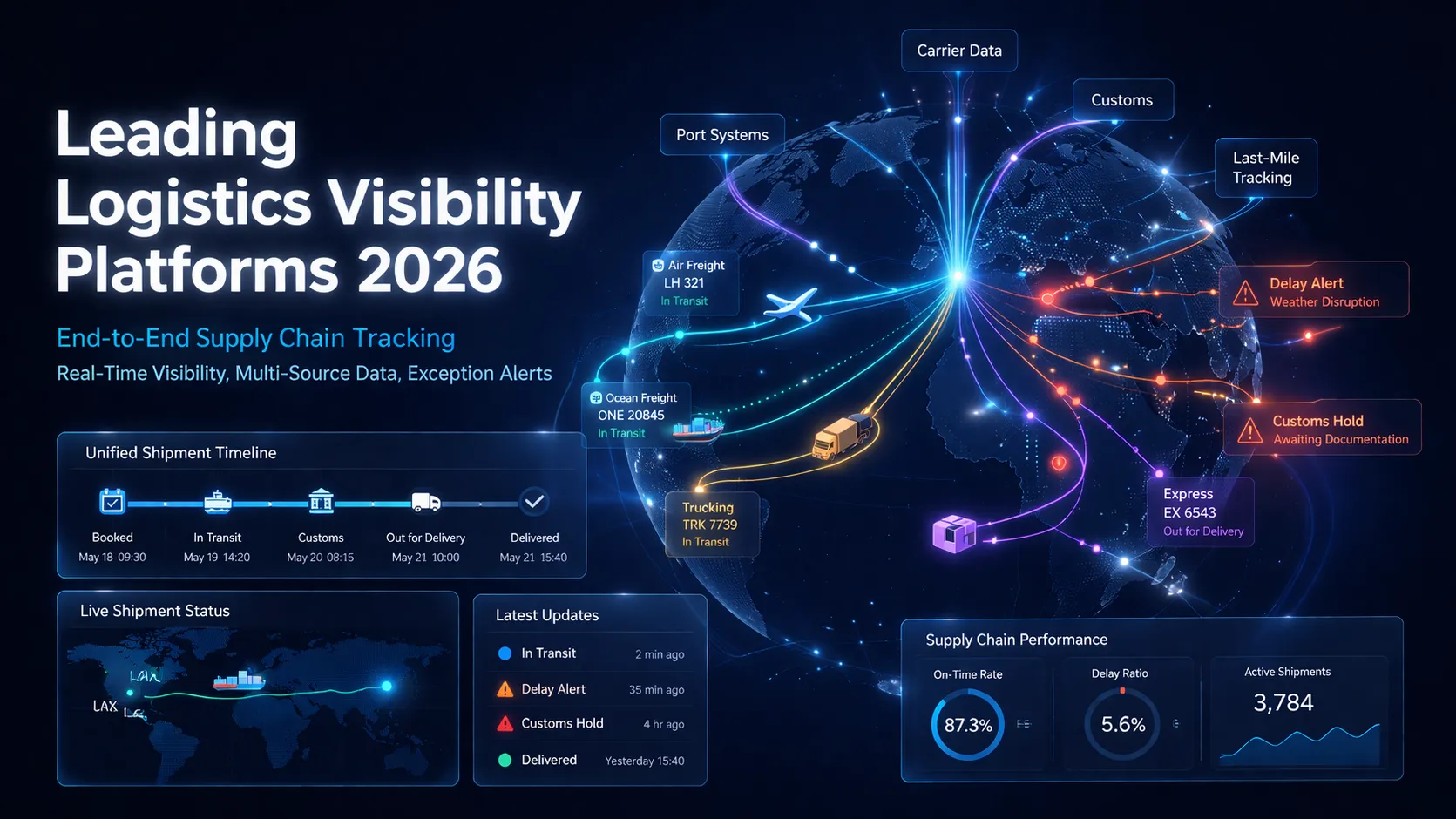
Instead of manually collecting updates from multiple systems and service providers, operations teams can access centralized dashboards and unified shipment timelines.
Why Supply Chain Monitoring Matters
Global logistics operations are increasingly complex and time-sensitive.
Freight forwarders and logistics providers often coordinate:
International shipments
Multimodal transportation
Overseas warehouses
Multiple carrier networks
Cross-border customs processes
Last-mile delivery operations
Without effective supply chain monitoring, companies commonly experience:
Limited shipment visibility
Delayed issue detection
Operational inefficiencies
Slow customer updates
Communication gaps
Delivery disruptions
Poor operational forecasting
These challenges can significantly affect customer satisfaction and operational performance.
Digital supply chain monitoring platforms help logistics companies improve operational control and supply chain transparency.
Improved Real-Time Visibility
Supply chain monitoring platforms provide:
End-to-end shipment tracking
Real-time milestone visibility
Unified transportation timelines
Operational dashboards
This helps companies monitor supply chain activity more effectively.
Faster Exception Detection
Real-time monitoring allows logistics teams to identify:
Delays
Route disruptions
Customs holds
Missed milestones
Carrier issues
Earlier detection improves response speed and operational reliability.
Better Operational Coordination
Supply chain monitoring platforms improve collaboration between:
Operations teams
Warehouses
Carriers
Overseas agents
Customers
Finance departments
Shared operational visibility reduces communication delays and coordination inefficiencies.
Stronger Customer Experience
Customers increasingly expect:
Real-time shipment updates
Transparent delivery visibility
Accurate shipment timelines
Supply chain monitoring platforms help companies meet these expectations.
How Supply Chain Monitoring Works
A logistics operations platform monitors supply chain activities through centralized operational data, real-time tracking systems, and automated workflow coordination.
The monitoring process typically includes several operational stages.
1. Data Collection and Integration
Supply chain data enters the platform through:
Carrier systems
Warehouse management systems
GPS tracking tools
ERP integrations
Customs systems
eCommerce platforms
The system centralizes operational data within one unified environment.
2. Shipment and Transportation Monitoring
The platform continuously monitors:
Shipment movement
Transportation progress
Delivery status
Carrier performance
Warehouse operations
Operational milestones are updated in real time.
3. Milestone-Based Visibility
Shipment events are organized into milestone timelines.
Examples include:
Order created
Cargo pickup
Export customs cleared
In transit
Import customs released
Out for delivery
Delivered
This provides structured operational visibility.
4. Exception Monitoring and Alerts
The platform identifies abnormal conditions such as:
Shipment delays
Route deviations
Missing milestones
Customs holds
Delivery failures
Automated alerts help operations teams respond quickly.
5. Workflow Automation
Supply chain monitoring platforms can automate:
Notifications
Task assignments
Workflow escalations
Billing triggers
Operational updates
This improves efficiency and operational consistency.
6. Reporting and Analytics
Operational dashboards provide insights into:
Shipment performance
Carrier reliability
Delivery timelines
Exception trends
Operational bottlenecks
This supports operational optimization and decision-making.
Key Features of Supply Chain Monitoring Platforms
Modern logistics operations platforms include several important supply chain monitoring capabilities.
End-to-End Visibility
Visibility features include:
Real-time shipment tracking
Unified shipment timelines
Milestone monitoring
Multi-segment transportation visibility
Exception tracking
This improves supply chain transparency.
Centralized Operational Dashboards
Dashboards help logistics teams monitor:
Shipment activity
Transportation status
Operational KPIs
Delay trends
Workflow performance
This improves operational decision-making.
Workflow Automation
Automation capabilities may include:
Shipment notifications
Operational alerts
Billing automation
Workflow routing
Exception escalation
Automation reduces repetitive manual work.
Multi-Role Collaboration
The platform connects:
Freight forwarders
Warehouses
Carriers
Overseas agents
Customers
Finance teams
This improves upstream and downstream coordination.
Financial and Operational Integration
Integrated financial workflows support:
Automated billing
Cost monitoring
Reconciliation workflows
Profitability analysis
This improves operational and financial visibility.
Benefits for Logistics Companies
Supply chain monitoring platforms provide several operational benefits.
Better Operational Transparency
Real-time monitoring improves visibility across:
Transportation stages
Warehouse operations
Delivery workflows
Supply chain activities
This improves operational control.
Faster Issue Resolution
Automated alerts allow logistics teams to respond more quickly to:
Delays
Customs issues
Carrier disruptions
Delivery failures
Reduced Manual Monitoring Work
Automation eliminates repetitive tracking activities and manual status collection.
This improves operational productivity.
Improved Customer Service
Customers benefit from:
Real-time updates
Better tracking visibility
Faster communication
More accurate delivery information
Stronger Supply Chain Scalability
Digital monitoring platforms help companies support:
Higher shipment volumes
International operations
Cross-border logistics growth
Complex transportation networks
Best Practices and Use Cases
Centralize Monitoring Operations
Companies should manage shipment monitoring through one unified operational platform.
This improves visibility consistency and reduces fragmented tracking processes.
Integrate Multiple Data Sources
Supply chain monitoring platforms work best when integrated with:
Carrier systems
Warehouse systems
Customs platforms
ERP systems
GPS tracking tools
This creates more complete operational visibility.
Standardize Shipment Milestones
Consistent milestone definitions improve:
Tracking accuracy
Reporting consistency
Operational coordination
Automate Exception Alerts
Automated notifications help operations teams respond faster to:
Delays
Missed milestones
Customs issues
Route disruptions
Apply Monitoring Platforms in Cross-Border Logistics
Cross-border supply chains often involve:
Multiple transportation providers
Overseas warehouses
Customs coordination
Last-mile delivery networks
Supply chain monitoring platforms help manage these complex operations more effectively.
Conclusion
Supply chain monitoring is becoming an essential capability in modern logistics operations. By providing real-time visibility, milestone-based tracking, automated alerts, and centralized operational dashboards, logistics operations platforms help freight forwarders and logistics providers improve operational control and supply chain transparency.
As global logistics networks continue to become more complex and customer expectations rise, digital supply chain monitoring platforms provide the visibility and coordination needed to improve efficiency, scalability, and customer service performance.
Frequently Asked Questions
What is supply chain monitoring?
Supply chain monitoring refers to tracking and managing shipment activities, transportation workflows, operational milestones, and logistics performance across the supply chain.
How do logistics operations platforms support supply chain monitoring?
These platforms centralize shipment data, synchronize operational updates, automate workflows, and provide real-time visibility into supply chain activities.
Why is supply chain monitoring important?
It helps logistics companies improve shipment visibility, detect operational issues earlier, enhance customer communication, and manage supply chain operations more efficiently.
What are the benefits of supply chain monitoring platforms?
Key benefits include:
Real-time shipment visibility
Faster exception handling
Improved operational coordination
Reduced manual tracking work
Better customer service
Who uses supply chain monitoring platforms?
Typical users include:
Freight forwarders
3PL providers
Cross-border logistics companies
Warehouse operators
Global supply chain management teams
About WallTech
WallTech provides digital logistics solutions that help freight forwarders, logistics providers, and cross-border supply chain companies improve supply chain monitoring and operational visibility. Its platforms support end-to-end shipment tracking, workflow automation, milestone-based monitoring, and real-time operational coordination across global logistics networks.
By connecting carriers, warehouses, overseas agents, finance teams, operations departments, and customers within one centralized operational environment, WallTech helps logistics companies improve supply chain transparency and operational efficiency. The platform also supports AI-assisted data recognition, automated billing, reconciliation workflows, and unified shipment timelines to support scalable and efficient logistics operations.
If you're exploring ways to improve your logistics operations, feel free to connect with us to learn more about our solutions and system capabilities.