



Nov 29,2024
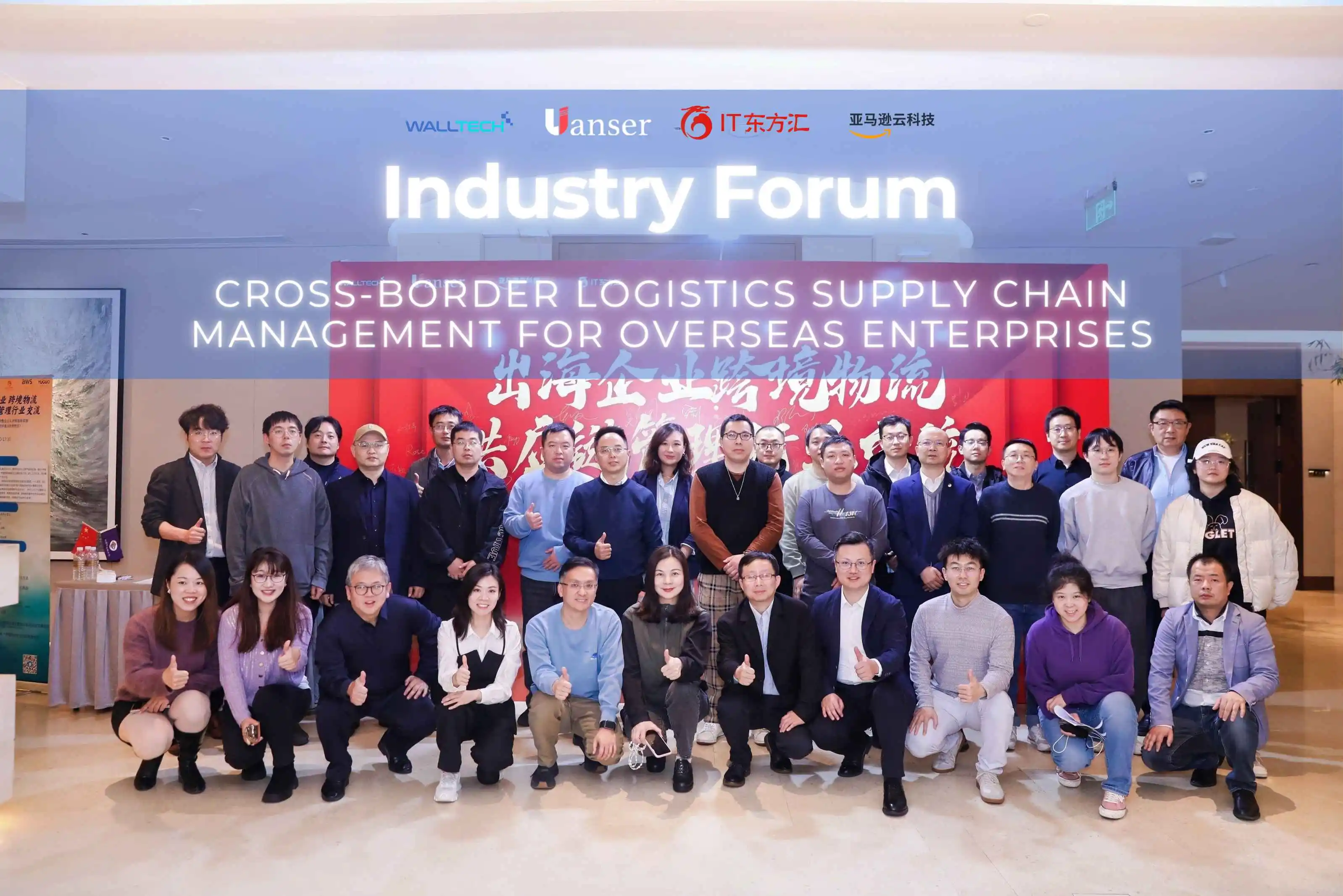
White Paper Launch & Industry Forum: Digitalization of Cross-Border Logistics for Enterprises Expanding Overseas
Digital freight documentation platforms help logistics companies manage shipping documents in a structured and centralized environment. By digitizing documentation workflows, these platforms reduce manual paperwork, improve document accuracy, and make it easier for logistics teams to manage complex international shipping processes.
The Importance of Documentation in Freight Operations
Freight forwarding operations rely heavily on documentation. A single shipment may involve multiple documents such as bills of lading, commercial invoices, packing lists, customs declarations, and shipping instructions.
Traditionally, these documents were managed through email attachments, paper copies, or separate document storage systems. This approach often creates challenges such as version confusion, lost files, and slow document retrieval.
Digital freight documentation platforms address these issues by centralizing document management within a single logistics system.
Centralized Document Management
One of the core features of digital freight documentation platforms is centralized document storage.
All shipment-related documents are stored within the shipment record, allowing logistics teams to access them quickly. Instead of searching through multiple email threads or shared folders, users can locate documents directly within the operational system.
This centralized structure improves document organization and ensures that teams always work with the latest version of each file.
Standardized Document Templates
Many digital documentation platforms support configurable document templates. These templates help logistics companies generate standardized documents based on predefined formats.
For example, common documents such as shipping instructions, invoices, and packing lists can be automatically generated using shipment data stored in the system.
Standardized templates reduce manual formatting work and help ensure consistency across different shipments and customers.
Faster Document Sharing and Collaboration
Digital freight documentation platforms also simplify document sharing between logistics partners.
Freight forwarders, agents, customers, and customs brokers can access or upload documents through the same system, depending on their permissions. This reduces the need to send documents through email or external communication tools.
Faster document exchange helps prevent operational delays, especially in international shipments where documentation is required at multiple stages.
Improved Compliance and Record Keeping
Accurate documentation is critical for customs compliance and financial record keeping in international logistics.
Digital documentation platforms allow companies to store shipment documents in an organized and searchable structure. This makes it easier to retrieve documents during audits, customs inspections, or financial reviews.
Maintaining complete digital records also helps logistics companies improve transparency and operational accountability.
Conclusion
Digital freight documentation platforms play an important role in modern logistics operations. By centralizing document storage, standardizing templates, and improving document sharing, these platforms help logistics companies manage complex shipping documentation more efficiently.
If you want to learn more about digital freight documentation and logistics document management solutions, feel free to contact WallTech. Since 2011, WallTech has been dedicated to simplifying operational management for international logistics companies through software, helping businesses reduce costs and improve efficiency.

.webp "Multi Warehouse Management Systems")


