Apr 21,2026
How OCR Technology Transforms Logistics Document Processing
Introduction
Logistics automation refers to the use of technology, software, and intelligent systems to perform logistics operations with minimal manual intervention. It works by digitizing workflows, integrating data across systems, and using automation tools such as AI, OCR, and rule-based engines to streamline processes like order management, tracking, billing, and collaboration.
In modern global logistics, automation is no longer optional—it is essential for handling complexity, improving efficiency, and enabling scalable operations across multiple regions and partners.
What is Logistics Automation
Logistics automation is the process of replacing manual, repetitive, and error-prone tasks in logistics operations with automated systems and digital workflows.
It applies across the entire logistics lifecycle, including:
Order creation and processing
Shipment tracking and milestone updates
Documentation and data entry
Billing and financial reconciliation
Communication between stakeholders
Instead of relying on emails, spreadsheets, and manual coordination, logistics automation enables structured, system-driven operations where tasks are triggered automatically based on predefined rules and real-time data.
Why Logistics Automation Matters
Global logistics operations are inherently complex. Freight forwarders, 3PL providers, and cross-border eCommerce logistics companies often face:
Fragmented systems and data silos
Heavy reliance on manual data entry
Lack of real-time shipment visibility
Inefficient communication between teams and partners
High error rates in billing and documentation
Automation addresses these challenges by creating a unified and structured operational environment.
Key reasons why logistics automation matters:
Efficiency improvement: Reduces manual workload and accelerates processing speed
Error reduction: Minimizes human errors in data entry and billing
Scalability: Enables handling of high shipment volumes without increasing headcount
Visibility: Provides real-time tracking and milestone-based updates
Collaboration: Connects multiple roles and external partners in a single workflow
How Logistics Automation Works
Logistics automation works through a combination of system integration, workflow configuration, and intelligent technologies.
1. Data Integration
Modern logistics platforms integrate with:
eCommerce platforms
carrier systems
customs systems
warehouse management systems (WMS)
ERP and financial systems
This allows data to flow automatically between systems without manual input.
2. Workflow Automation
Operations are structured into predefined workflows with milestones such as:
Order received
Cargo picked up
Customs cleared
Shipment in transit
Delivered
Each step triggers automated actions, such as:
Status updates
notifications to relevant stakeholders
task assignments
3. AI and Data Recognition
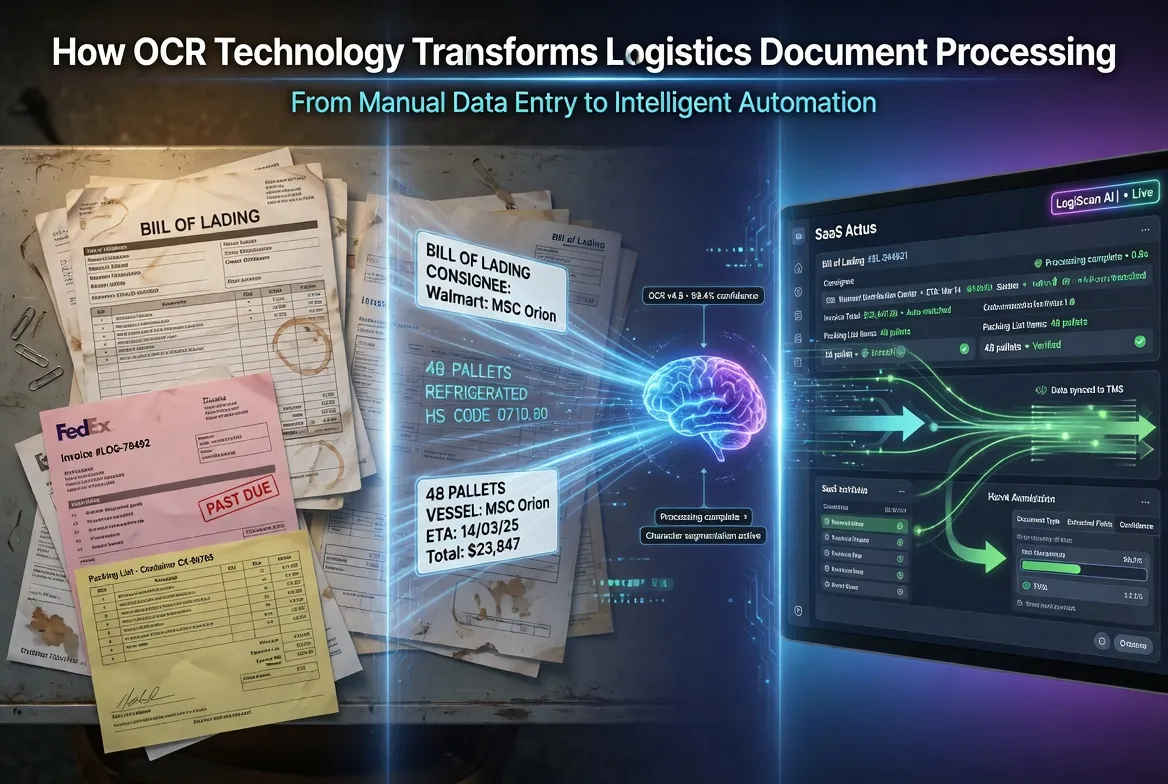
Technologies like OCR (Optical Character Recognition) and AI enable:
Automatic extraction of shipment data from documents (PDF, Excel, emails)
Intelligent data validation
Reduced need for manual data entry
As highlighted in modern logistics platforms, AI-driven data recognition can significantly improve efficiency by replacing repetitive input tasks with automated processing .
4. Real-Time Tracking and Visibility
Automation systems aggregate tracking data from multiple sources and present it in a unified timeline.
This includes:
Multi-mode transport tracking (air, sea, land)
milestone-based tracking across different logistics stages
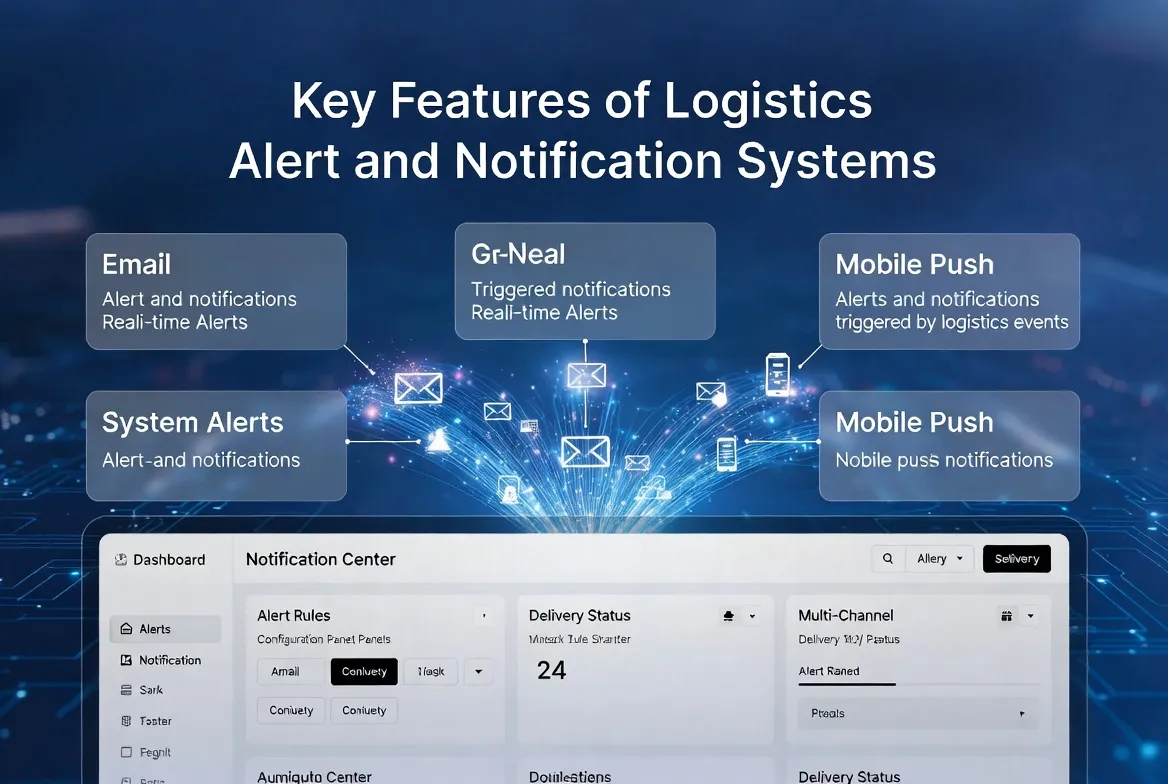
exception alerts and delay notifications
5. Automated Financial Processes
Automation extends to financial operations:
Automated billing generation based on shipment data
cost and revenue calculation per shipment
automated reconciliation and settlement tracking
This ensures financial accuracy and reduces delays in invoicing.
Key Features / Key Capabilities
A modern logistics automation system typically includes:
End-to-end workflow automation
Standardized processes with configurable rulesMulti-role collaboration
Seamless coordination between sales, operations, finance, and partnersMilestone-based tracking
Real-time visibility across the shipment lifecycleAI-powered data recognition
Automated extraction of shipment and rate dataAutomated billing and reconciliation
Accurate and timely financial processingSystem integration capabilities
API connections with external systems and platformsException management and alerts
Automated notifications for delays and operational risks
Benefits for Logistics Companies
Implementing logistics automation delivers measurable business benefits:
1. Operational Efficiency
Faster order processing
Reduced manual workload
Improved turnaround time
2. Improved Accuracy
Fewer data entry errors
Consistent billing and documentation
Better data standardization
3. Enhanced Visibility
Real-time tracking across all shipment stages
centralized view of operations
better decision-making
4. Scalable Growth
Handle increasing shipment volumes without proportional staffing increases
support expansion into new markets and services
5. Better Collaboration
unified platform for internal teams and external partners
reduced communication gaps
improved coordination across global operations
Best Practices / Use Cases
1. Freight Forwarders
Automate shipment workflows, document processing, and billing to improve operational efficiency and customer service.
2. Cross-Border eCommerce Logistics
Use automation to handle high-volume orders, integrate with platforms, and manage last-mile delivery coordination.
3. 3PL Providers
Standardize operations across multiple clients, warehouses, and transport modes using automated workflows.
4. Multi-Branch Logistics Networks
Enable seamless collaboration between headquarters, overseas branches, and partners through shared systems and real-time data.
Best Practices for Implementation
Start with high-impact processes such as order entry and billing
standardize workflows before automation
ensure system integration with key partners
use milestone-based tracking for better visibility
continuously optimize automation rules based on operational data
Conclusion
Logistics automation transforms traditional logistics operations by replacing manual processes with intelligent, system-driven workflows. It enables logistics companies to improve efficiency, enhance visibility, reduce errors, and scale operations effectively.
As global logistics becomes more complex, automation is no longer just a competitive advantage—it is a foundational requirement for sustainable growth and operational excellence.
Frequently Asked Questions
What is logistics automation in logistics?
Logistics automation is the use of digital systems and technologies to automate logistics processes such as order management, tracking, billing, and collaboration. It reduces manual work and improves efficiency.
How does logistics automation work?
It works by integrating systems, defining automated workflows, and using technologies like AI and OCR to process data and trigger actions automatically across logistics operations.
Why is logistics automation important?
It improves efficiency, reduces errors, enhances visibility, and enables logistics companies to scale operations without increasing manual workload.
What are the benefits of logistics automation?
Key benefits include faster operations, improved accuracy, real-time visibility, better collaboration, and scalable growth.
What technologies are used in logistics automation?
Common technologies include AI, OCR, API integrations, workflow engines, and real-time tracking systems.
About WallTech
WallTech provides digital logistics solutions designed to support freight forwarders, 3PL providers, and cross-border logistics companies in building more efficient and scalable operations. Its platforms enable end-to-end logistics collaboration across multiple roles and partners, while offering real-time shipment visibility through milestone-based tracking. By combining workflow automation, AI-driven data recognition, and integrated financial processes such as automated billing and reconciliation, WallTech helps logistics businesses streamline operations and improve data accuracy.
If you're exploring ways to improve your logistics operations, feel free to connect with us to learn more about our solutions and system capabilities.