
.webp "What Is a Real-Time Freight Monitoring System?")
Mar 04,2026
What Is a Real-Time Freight Monitoring System?
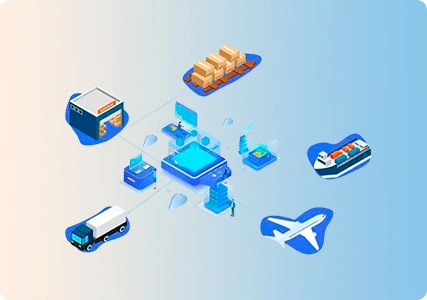
Digital logistics platforms support collaboration between multiple partners involved in shipment operations. By centralizing shipment data, communication, and operational workflows, these platforms allow freight forwarders, carriers, warehouses, and agents to coordinate logistics activities more efficiently.
The Need for Multi-Partner Collaboration in Logistics
Modern logistics operations involve a large network of partners. A single shipment may require coordination between freight forwarders, trucking companies, ocean carriers, customs brokers, overseas agents, and last-mile delivery providers.
Each partner is responsible for different stages of the transportation process. Without a unified system, communication between these parties often relies on emails, phone calls, or messaging tools.
This fragmented communication can slow down decision-making and increase the risk of operational errors. As logistics networks expand globally, efficient collaboration between partners becomes increasingly important.
Centralized Shipment Information
Digital logistics platforms provide a shared environment where partners can access shipment information in real time.
Instead of exchanging multiple documents and updates through separate channels, all participants can view the same shipment record within the platform. Operational updates, cargo details, and shipment milestones are recorded in one system.
This centralized data structure ensures that every partner works with consistent and up-to-date shipment information.
Coordinating Operational Activities
Collaboration platforms help coordinate operational tasks across different partners.
For example, warehouse operators may update inbound or outbound cargo status, carriers may provide transportation updates, and customs brokers may upload clearance documents. Each update becomes part of the shipment timeline.
By organizing these activities within a structured workflow, digital platforms reduce the need for manual coordination and improve operational efficiency.
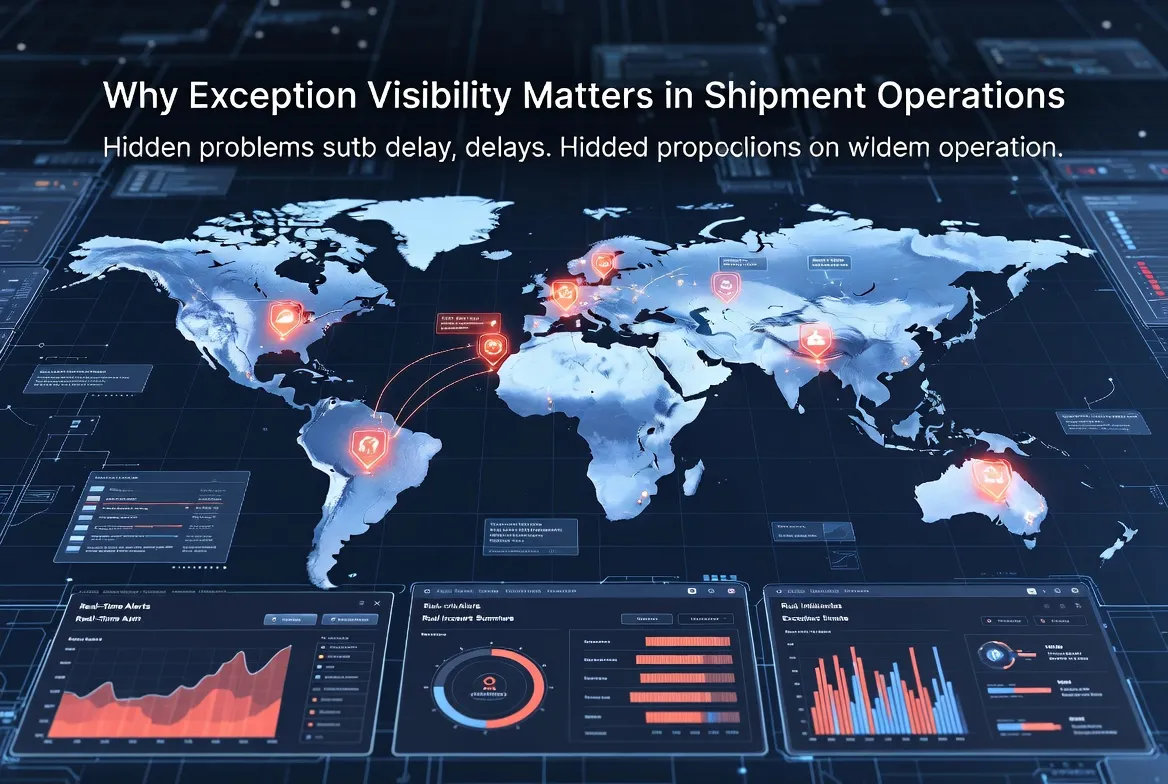
Improving Visibility Across the Logistics Network
When multiple partners contribute operational updates within the same platform, companies gain better visibility into the entire logistics chain.
Freight forwarders can monitor shipment progress across transportation segments, while customers and partners can access relevant information through controlled permissions.
Improved visibility allows logistics companies to identify delays earlier and respond more effectively to operational disruptions.
Conclusion
Multi-partner collaboration is a fundamental part of modern logistics operations. Digital logistics platforms make this collaboration more efficient by connecting stakeholders through a shared operational system.
By centralizing shipment data, organizing workflows, and improving operational visibility, these platforms enable logistics companies to manage complex partner networks more effectively in global supply chains.