
Mar 24,2026
Top 50 Global Freight Forwarders Ranking 2026: Market Share, Capacity, and Digital Capabilities
Freight forwarding companies operate in a highly dynamic pricing environment. Ocean freight rates, air cargo tariffs, fuel surcharges, local handling fees, and seasonal price fluctuations all influence the cost of transporting goods across international supply chains. As a result, managing freight rates and generating accurate quotations are critical operational tasks for logistics providers.
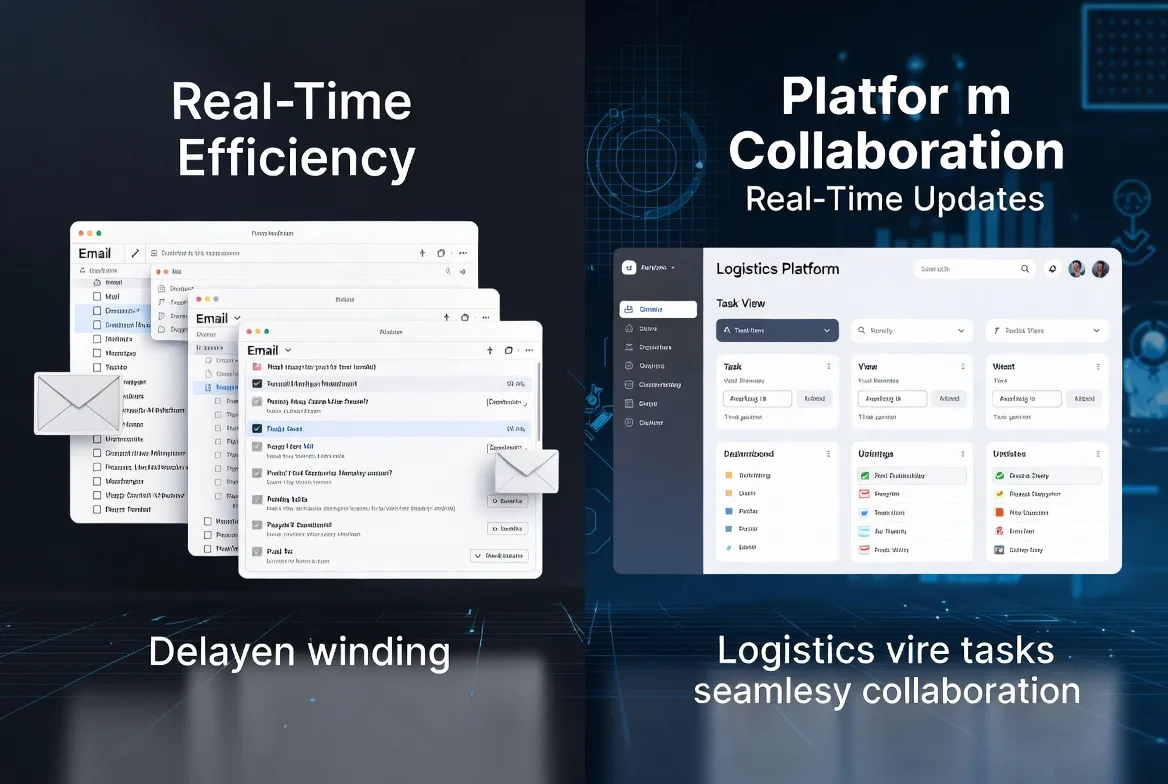
Traditionally, freight rate management has relied on spreadsheets, email communication, and manually maintained price tables. While these methods may work for small volumes, they become difficult to maintain when companies manage thousands of rate combinations across multiple carriers, trade lanes, and service types.
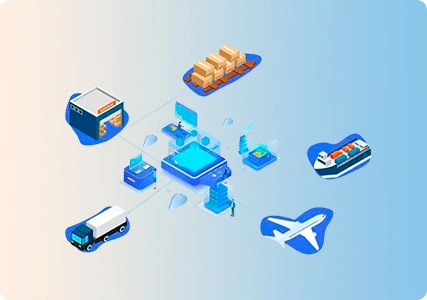
Digital logistics platforms help freight forwarders manage these complexities by centralizing rate databases and automating quotation workflows. By integrating rate management with operational systems, logistics companies can improve pricing accuracy, accelerate quotation processes, and ensure consistent pricing strategies across their organization.
The Complexity of Global Freight Rate Management
Freight forwarding involves managing a wide range of transportation services across global trade routes. Each shipment may involve different pricing structures depending on transport mode, carrier agreements, cargo characteristics, and destination requirements.
Ocean freight pricing may include base freight rates, bunker adjustment factors, peak season surcharges, and port handling charges. Air freight pricing often depends on weight tiers, volumetric calculations, and route-specific tariffs. Additional local charges may apply at origin and destination ports.
Because these pricing elements change frequently, logistics companies must continuously update their rate databases. Without centralized rate management systems, maintaining accurate pricing information across teams becomes extremely challenging.
Challenges of Manual Quotation Processes
When freight forwarders rely on manual tools for quotation management, several operational challenges commonly arise.
One major issue is fragmented rate data. Rate sheets from carriers, partners, and service providers may be stored in multiple spreadsheets or shared through email. This makes it difficult for sales teams to locate the most recent rates when preparing customer quotations.
Another challenge is quotation speed. Customers often expect rapid responses when requesting freight quotes. If operational teams must manually search for rates and calculate charges, generating quotations can take significant time, especially when shipments involve multiple transport segments.
Manual quotation processes also increase the risk of pricing errors. Incorrect calculations, outdated rate tables, or missing surcharges can lead to inaccurate quotations, which may affect profitability or customer trust.
Centralized Freight Rate Databases
Modern logistics platforms address these challenges by providing centralized freight rate databases. These systems store rate information in structured formats that allow users to quickly search, filter, and apply pricing data.
Rate databases typically include multiple pricing components such as carrier rates, service routes, weight or container tiers, and applicable surcharges. By maintaining these elements in a centralized platform, logistics companies can ensure that operational teams work with consistent pricing information.
Centralized rate management also simplifies updates. When carriers release new rate sheets or pricing adjustments, companies can update their rate databases within the system, making the changes immediately available to all relevant users.
Automated Quotation Workflows
In addition to managing rate data, logistics platforms support automated quotation workflows that help generate freight quotes more efficiently.
Quotation workflows usually begin when a sales representative enters shipment details such as origin, destination, cargo specifications, and transport mode. The system then searches the rate database and calculates applicable freight charges based on predefined pricing rules.
Automated quotation tools can also combine multiple pricing components into a complete freight estimate. For example, the system may calculate ocean freight rates, local handling fees, and destination charges to generate a comprehensive quotation for the customer.
These automated workflows significantly reduce the time required to prepare quotations while improving pricing consistency.
Integration Between Rate Management and Operations
An important advantage of digital logistics platforms is the integration between rate management and operational processes.
When quotation systems are integrated with shipment management modules, the transition from quotation to confirmed shipment becomes smoother. Once a customer accepts a quotation, the system can convert the quotation data into operational shipment records without requiring manual data entry.
This integration reduces duplication of work and minimizes the risk of errors when transferring information between sales and operations teams. It also ensures that shipment execution follows the same pricing structure that was presented to the customer.
Improving Pricing Transparency and Decision-Making
Centralized rate management systems also support better pricing analysis and strategic decision-making.
By storing historical rate data and quotation records, logistics companies can analyze pricing trends across trade lanes and service types. This information helps managers evaluate carrier agreements, identify competitive pricing opportunities, and adjust pricing strategies when market conditions change.
In addition, digital rate management tools allow companies to maintain consistent pricing policies across multiple offices or branches. This consistency helps ensure that customers receive reliable and standardized quotations regardless of which office prepares the quote.
Best Practices for Freight Rate and Quotation Management
To maximize the effectiveness of digital rate management systems, logistics companies should follow several best practices.
First, companies should maintain structured and regularly updated rate databases. Accurate rate data is essential for generating reliable quotations and maintaining operational efficiency.
Second, implementing standardized quotation workflows helps ensure consistency across sales teams. Clear procedures for quotation generation reduce the likelihood of pricing discrepancies or errors.
Finally, integrating quotation systems with operational modules improves data continuity across the shipment lifecycle. This integration helps align sales processes with operational execution and financial management.
Conclusion
Freight rate management and quotation workflows are fundamental components of freight forwarding operations. As global logistics markets become more complex, managing these processes through manual tools becomes increasingly difficult.
Digital logistics platforms provide structured solutions that centralize rate databases, automate quotation generation, and integrate pricing workflows with operational systems. These capabilities help freight forwarders improve pricing accuracy, accelerate response times to customer inquiries, and maintain consistent pricing strategies across their organization.
By adopting modern rate management and quotation tools, logistics companies can enhance operational efficiency while maintaining greater control over their pricing processes in an increasingly competitive logistics environment.

.webp "How Logistics Document Management Improve Logistics Operations")