Mar 25,2026
Logistics Platform for Global Supply Chain Orchestration
A shipment operations platform is a digital system that helps logistics companies manage the full lifecycle of freight movements. Logistics platforms deliver these capabilities by integrating shipment orders, transportation coordination, operational milestones, and financial processes into a centralized operational environment.
Understanding Shipment Operations Platforms
Shipment operations platforms are designed to manage the operational workflows that occur during the transportation of goods. These workflows typically include order creation, transportation planning, document handling, shipment tracking, and cost management.
In traditional logistics operations, these processes are often handled through separate tools such as spreadsheets, emails, and messaging systems. As shipment volumes grow, this fragmented approach can create inefficiencies and reduce operational visibility.
Logistics platforms address this challenge by consolidating shipment operations within a unified system. By organizing operational activities into structured digital workflows, companies can manage freight movements more efficiently across multiple transportation stages.
Centralizing Shipment Data and Workflows
A key function of logistics platforms is centralizing shipment information. Each shipment is recorded within the system as a structured operational record that contains cargo details, transport routes, documents, and tracking events.
This centralized structure allows logistics teams to access shipment information from one interface instead of searching across multiple systems. Operations staff, sales teams, and customer service representatives can all work with the same shipment data.
Centralization also helps reduce data duplication and improves information consistency throughout the shipment lifecycle.
Coordinating Transportation Operations
Shipment operations platforms also help coordinate transportation activities across different modes of transport. Modern logistics networks frequently involve multimodal shipments that combine ocean freight, air freight, trucking, and last-mile delivery.
Digital platforms allow companies to manage these different transportation segments as part of a single operational workflow. Each milestone—such as cargo pickup, departure, arrival, or delivery—can be recorded within the shipment timeline.
This coordinated structure helps logistics teams monitor shipment progress and manage transportation activities more effectively.
Improving Operational Visibility
Another important capability of logistics platforms is improving operational visibility. When shipment events and operational updates are recorded within a centralized system, companies gain a clearer view of logistics operations.
Real-time updates allow teams to track shipment progress, identify delays earlier, and communicate more accurately with customers and partners.
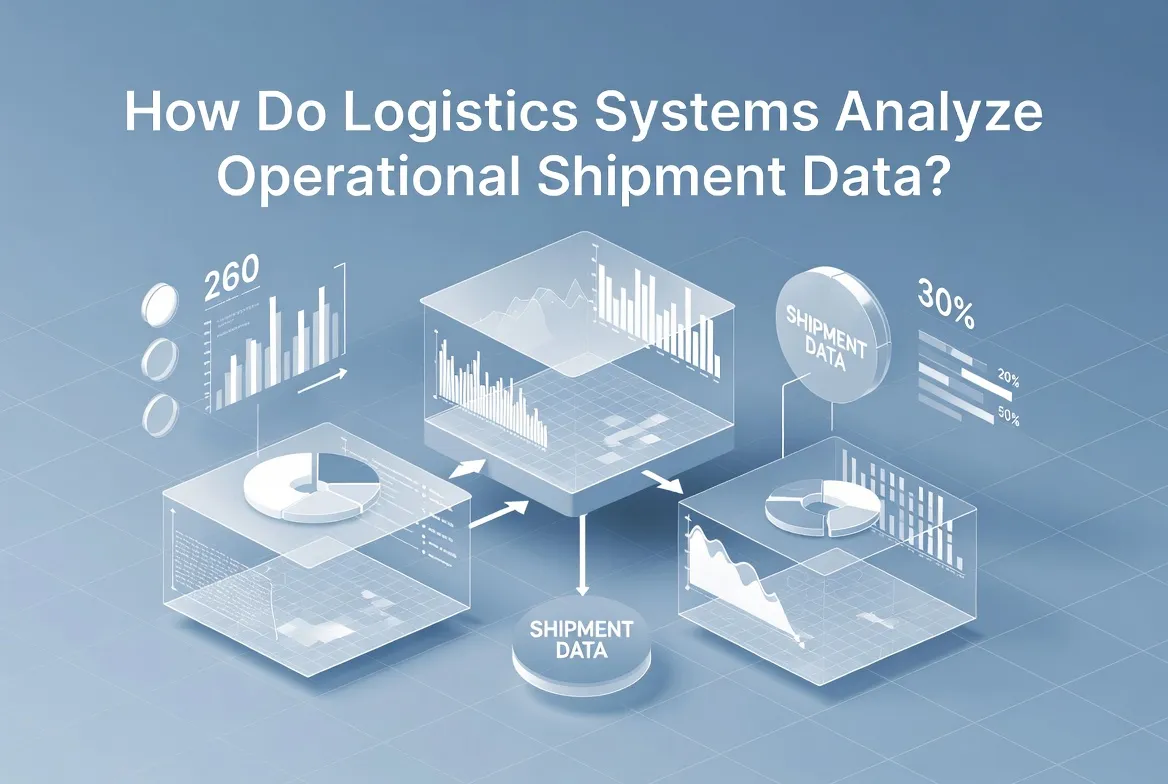
Improved visibility also supports better decision-making. Logistics managers can analyze operational data, evaluate transportation performance, and optimize processes across the logistics network.
Enabling Scalable Logistics Operations
As logistics companies expand their operations, managing growing shipment volumes becomes increasingly complex. Shipment operations platforms provide the digital infrastructure needed to scale operations without significantly increasing operational complexity.
By standardizing workflows and centralizing shipment information, logistics platforms enable companies to manage larger transportation networks while maintaining operational efficiency.
Conclusion
Logistics platforms deliver shipment operations platforms by integrating operational workflows, transportation coordination, shipment visibility, and data management within a unified system. This approach helps logistics companies manage freight movements more efficiently while improving visibility across the shipment lifecycle.
If you want to learn more about shipment operations platform solutions, feel free to contact WallTech. Since 2011, we have been dedicated to helping international logistics companies simplify operational management processes and improve efficiency through software solutions.