
May 20,2026
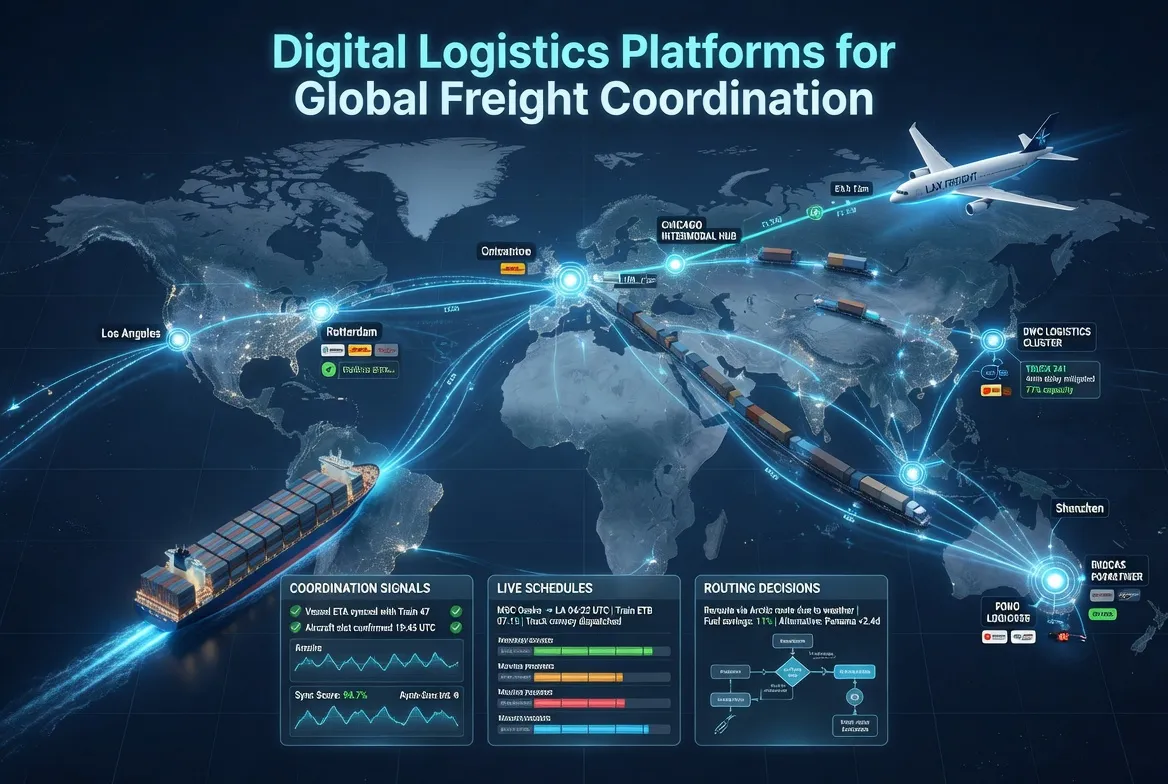
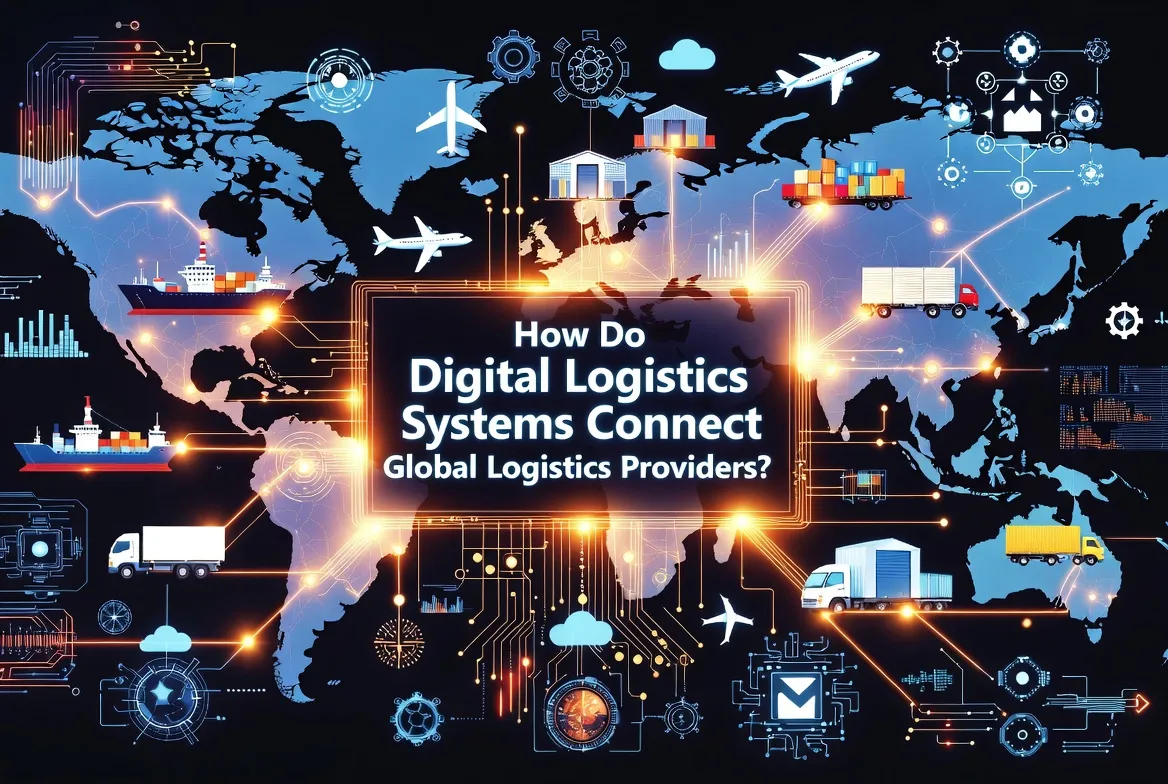
How Do Digital Logistics Systems Connect Global Logistics Providers?
Transport event tracking systems help logistics companies monitor shipment movements by recording operational milestones throughout the transportation process. By capturing events such as pickup, departure, arrival, and delivery, these systems provide better visibility into cargo movement across global logistics networks.
Understanding Transport Event Tracking
Transport event tracking refers to the process of recording and monitoring operational events that occur during the shipment lifecycle. These events represent key milestones that indicate the progress of cargo as it moves from origin to destination.
Typical transport events include cargo pickup, warehouse arrival, port departure, customs clearance, transit milestones, and final delivery confirmation. Tracking these events helps logistics companies maintain an accurate timeline of shipment progress.
Transport event tracking systems collect these updates from multiple sources, including carriers, warehouses, transportation partners, and internal operations systems.
Improving Shipment Visibility
One of the main reasons companies adopt transport event tracking systems is to improve shipment visibility. When logistics teams can access real-time event updates, they gain a clearer understanding of where shipments are within the transportation network.
Instead of manually checking carrier websites or requesting updates from partners, companies can view transport events through a centralized platform. This improves operational efficiency and allows teams to monitor large volumes of shipments simultaneously.
Better visibility also helps logistics companies detect delays or disruptions earlier.
Supporting Operational Coordination
Transport event tracking also improves coordination between different stakeholders in the logistics chain. Freight forwarders, carriers, warehouse operators, and customers often rely on the same shipment information to plan their activities.
When transport events are recorded and shared in real time, different teams can align their operations accordingly. For example, warehouses can prepare for inbound shipments, and customer service teams can provide timely updates to clients.
This shared operational visibility helps reduce communication delays and improves collaboration.
Enabling Proactive Exception Management
Logistics operations frequently face unexpected disruptions, such as weather delays, port congestion, or customs inspections. Transport event tracking systems help identify these issues early by monitoring shipment timelines and operational milestones.
If a shipment fails to reach a scheduled milestone within a defined timeframe, the system can trigger alerts for logistics teams. Early detection allows companies to take corrective action and minimize the impact of delays.
This proactive approach improves overall logistics reliability.
Supporting Performance Analysis
Transport event tracking systems also generate valuable historical data. Logistics companies can analyze transport events to evaluate carrier performance, transit times, and operational efficiency.
These insights help companies optimize transportation planning, improve route selection, and enhance supply chain performance over time.
Data-driven analysis is becoming increasingly important as logistics networks grow more complex.
Conclusion
Transport event tracking systems play an important role in modern logistics operations by capturing operational milestones and providing real-time shipment visibility. These systems help logistics companies coordinate activities, respond to disruptions, and analyze transportation performance.
If you want to learn more about transport event tracking solutions, feel free to contact WallTech. Since 2011, we have been dedicated to helping international logistics companies simplify operational management processes and improve efficiency through software solutions.