

.webp "Key Features of Modern WMS Platforms")
Mar 17,2026
Key Features of Modern WMS Platforms
Logistics Automation Platforms for Digital Freight Operations
Introduction
Logistics automation platforms for digital freight operations are systems that enable freight forwarders, 3PLs, and cross-border logistics providers to manage shipments through fully digital, integrated, and automated processes. These platforms transform traditional freight operations—often reliant on emails, spreadsheets, and manual coordination—into structured, data-driven workflows with real-time visibility and automation.
In essence, digital freight operations use automation platforms to connect people, processes, and systems into a unified digital environment, improving efficiency, transparency, and scalability.
What is Digital Freight Operations
Digital freight operations refer to the use of technology platforms to manage the entire freight lifecycle digitally—from order creation to delivery and financial settlement.
Key components of digital freight operations include:
Digital order management
Automated documentation workflows
Real-time shipment tracking
Integrated partner collaboration
Automated billing and reconciliation
Unlike traditional freight operations, which rely heavily on manual processes and fragmented communication, digital freight operations centralize all activities into a single platform.
This allows logistics companies to standardize workflows and manage operations more efficiently across multiple regions and partners.
Why Digital Freight Operations Matter
The logistics industry is undergoing rapid digital transformation due to increasing complexity and customer expectations.
Challenges in traditional freight operations include:
Data fragmentation across multiple systems
Manual workflows leading to inefficiencies
Lack of real-time visibility into shipment status
Inefficient collaboration between stakeholders
Delayed financial processes
Digital freight operations address these issues by:
Enabling end-to-end data visibility
Automating repetitive and error-prone tasks
Improving coordination across departments and partners
Accelerating decision-making through real-time data
For freight forwarders and 3PL providers handling high shipment volumes and multi-leg transportation, digital operations are essential for maintaining operational control and service quality.
How Digital Freight Operations Work
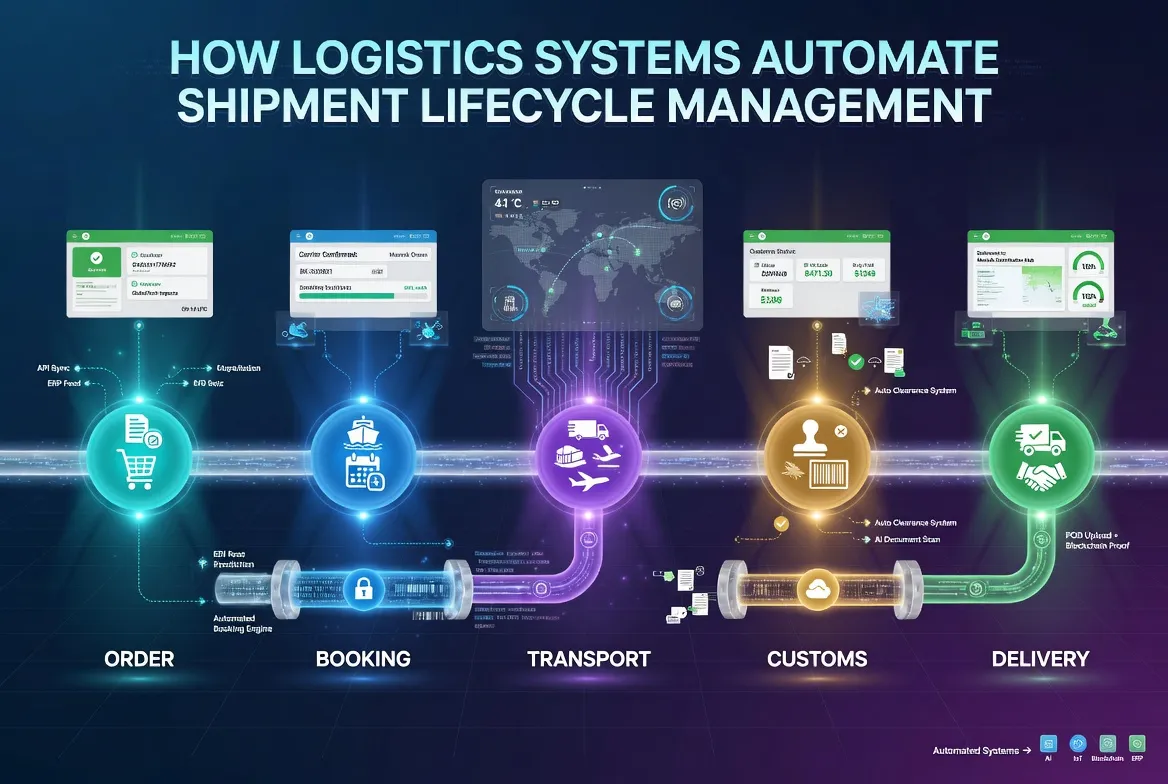
Logistics automation platforms enable digital freight operations by integrating workflows, data, and stakeholders into a single system.
A typical digital freight workflow includes:
Digital Order Creation
Orders are created via API, batch upload, or manual input
AI-based tools extract shipment data from documents
Automated Workflow Execution
Workflow engines trigger tasks such as booking, documentation, and coordination
Tasks are assigned automatically to relevant roles
Multi-Role Collaboration
Sales, operations, documentation, and finance teams operate within the same platform
Upstream and downstream partners can access shared data
Milestone-Based Shipment Tracking
Each shipment is tracked through key milestones
Updates are captured automatically from internal and external data sources
Exception Management
The system detects delays or anomalies and sends alerts
Users can respond proactively to disruptions
Automated Financial Processes
Billing is triggered based on shipment milestones
Reconciliation is automated for accuracy
This integrated approach ensures that all stakeholders work with the same data in real time, improving efficiency and reducing operational friction.
Key Features / Key Capabilities
Digital freight operations platforms typically include the following capabilities:
1. Unified Operations Platform
Centralized system for managing all freight activities
Integration across departments and partners
2. End-to-End Visibility
Real-time tracking across all shipment stages
Unified timeline for milestone-based tracking
3. Workflow Automation
Automated task assignment and process execution
Configurable workflows based on business rules
4. Multi-Party Collaboration
Seamless coordination between internal teams and external partners
Shared access to shipment data and documents
5. AI-Driven Data Processing
OCR-based document recognition
Automated data extraction and validation
6. Financial Automation
Automated invoicing and billing
Real-time profit and cost tracking
7. Integration and Connectivity
API and EDI integration with ERP, WMS, carriers, and customs systems
Continuous data synchronization
For example, modern logistics platforms integrate order management, tracking, and financial processes into a single system, enabling seamless digital operations across the freight lifecycle .
Benefits for Logistics Companies
Digital freight operations provide significant advantages for logistics providers:
Improved Efficiency
Reduces manual work and repetitive tasks
Speeds up shipment processing and coordination
Enhanced Visibility
Provides real-time insights into shipment status
Improves customer communication and service quality
Better Collaboration
Connects multiple roles and partners within one platform
Reduces communication delays and misalignment
Increased Accuracy
Minimizes errors in data entry and documentation
Ensures consistent workflows across operations
Faster Financial Processes
Automates billing and reconciliation
Improves cash flow and financial transparency
Scalability
Enables companies to handle higher shipment volumes without increasing operational complexity
Best Practices / Use Cases
To successfully implement digital freight operations, logistics companies should follow these best practices:
1. Digitize Core Processes First
Start by digitizing key workflows such as order management and tracking before expanding automation.
2. Integrate Systems Across the Ecosystem
Connect logistics platforms with ERP, WMS, and carrier systems to eliminate data silos.
3. Implement Milestone-Based Tracking
Use standardized milestones to improve visibility and operational control.
4. Automate High-Volume Tasks
Focus on automating repetitive processes such as:
Document processing
Order entry
Billing
5. Enable Real-Time Collaboration
Ensure all stakeholders have access to the same data for better coordination.
6. Continuously Optimize Workflows
Use analytics to identify inefficiencies and refine processes.
Typical use cases include:
Freight forwarders managing international shipments
3PL providers coordinating multi-modal logistics
Cross-border eCommerce logistics handling large parcel volumes
Conclusion
Logistics automation platforms are essential for enabling digital freight operations. By integrating workflows, automating processes, and providing real-time visibility, these platforms help logistics companies improve efficiency, accuracy, and scalability.
As the logistics industry continues to evolve, digital freight operations will become the standard for companies seeking to remain competitive in a fast-paced global market.
Frequently Asked Questions
What are digital freight operations?
Digital freight operations refer to managing logistics processes using digital platforms that automate workflows, integrate data, and provide real-time visibility.
How do logistics automation platforms support digital freight operations?
They connect systems, automate workflows, enable real-time tracking, and facilitate collaboration across multiple stakeholders.
Why are digital freight operations important?
They improve efficiency, reduce errors, enhance visibility, and enable logistics companies to scale operations effectively.
What are the benefits of digital freight operations?
Key benefits include faster processing, better coordination, improved transparency, and optimized financial management.
About WallTech
WallTech provides digital logistics solutions that support the transformation of traditional freight operations into fully digital workflows. Its platforms enable end-to-end collaboration across multiple roles and partners, offering real-time shipment visibility through milestone-based tracking. By integrating workflow automation, AI-driven data recognition, and financial process automation, WallTech helps logistics companies improve operational efficiency, reduce manual workload, and scale their digital freight operations effectively.
If you're exploring ways to improve your logistics operations, feel free to connect with us to learn more about our solutions and system capabilities.
.webp "How Modern Platforms Enable Cargo Movement Monitoring")