May 15,2026
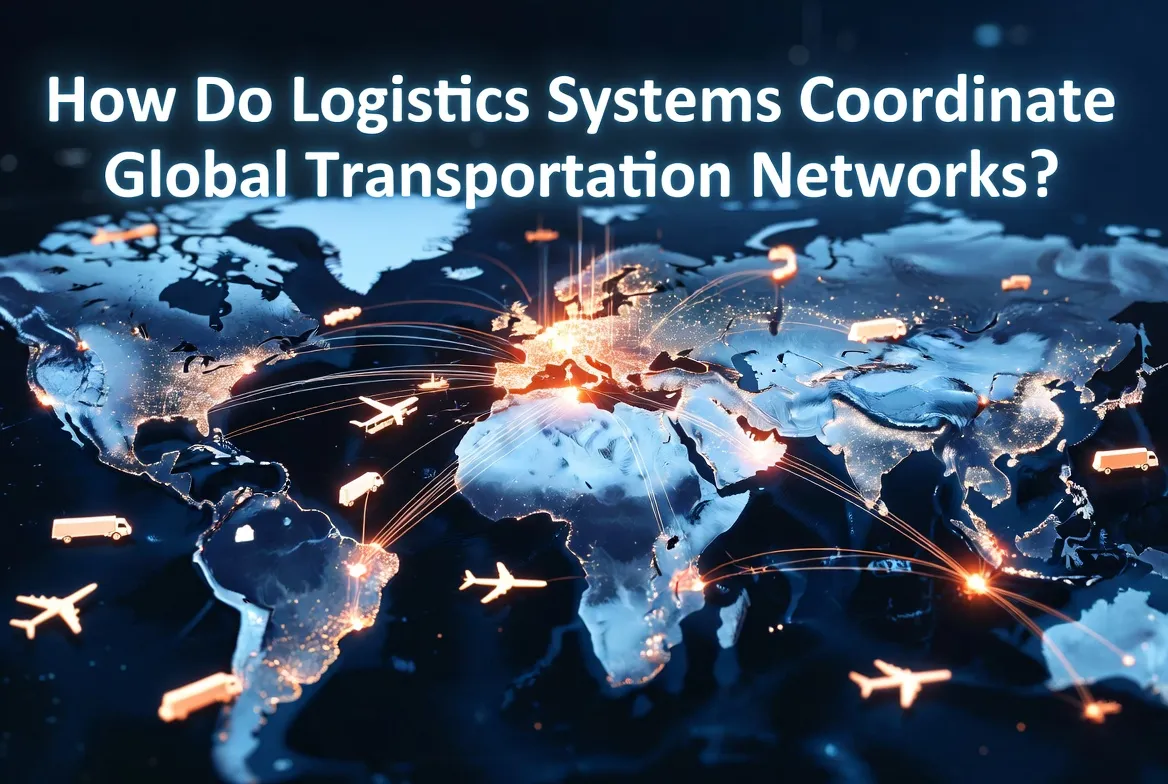
How Do Logistics Systems Coordinate Global Transportation Networks?
An end-to-end logistics platform is a digital system that manages the entire logistics lifecycle — from order creation and rate quotation to shipment execution, tracking, billing, and settlement — within a unified environment. It connects internal teams, external partners, and customers into a single operational workflow.
What Does “End-to-End” Mean in Logistics?
In logistics, “end-to-end” refers to managing every stage of a shipment’s journey within one connected system. This typically includes:
Freight rate inquiry and quotation
Order creation and booking
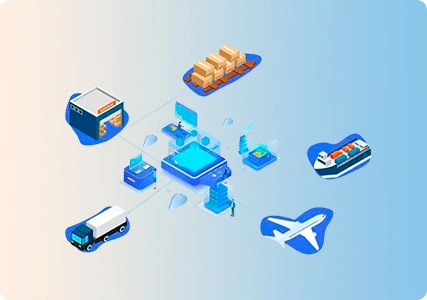
Multi-transport execution (sea, air, land, rail)
Warehouse coordination
Shipment tracking and milestone visibility
Document management
Accounts receivable and payable
Profit calculation and reporting
Instead of using disconnected tools for each task, an end-to-end logistics platform centralizes these processes to reduce fragmentation and manual communication.
Why Do Logistics Companies Need an End-to-End Platform?
Traditional logistics operations often rely on separate systems for operations, finance, tracking, and partner communication. This creates:
Data silos
Repeated data entry
Delayed status updates
Limited profit visibility
Higher operational risk
An end-to-end logistics platform eliminates these gaps by synchronizing operational and financial data in real time.
For freight forwarders, 3PL providers, and cross-border logistics operators, this means:
Unified shipment visibility
Faster quotation and execution cycles
Reduced operational errors
Accurate cost and profit management
Better customer experience
Core Components of an End-to-End Logistics Platform
A true end-to-end logistics platform typically includes:
1. Order & Shipment Management
Create and manage bookings across sea freight, air freight, land transportation, and multimodal shipments.
2. Rate & Pricing Management
Maintain freight rates, surcharges, and pricing logic to support fast and accurate quotations.
3. Warehouse & Inventory Coordination
Support multi-warehouse operations and real-time inventory visibility.
4. Tracking & Visibility
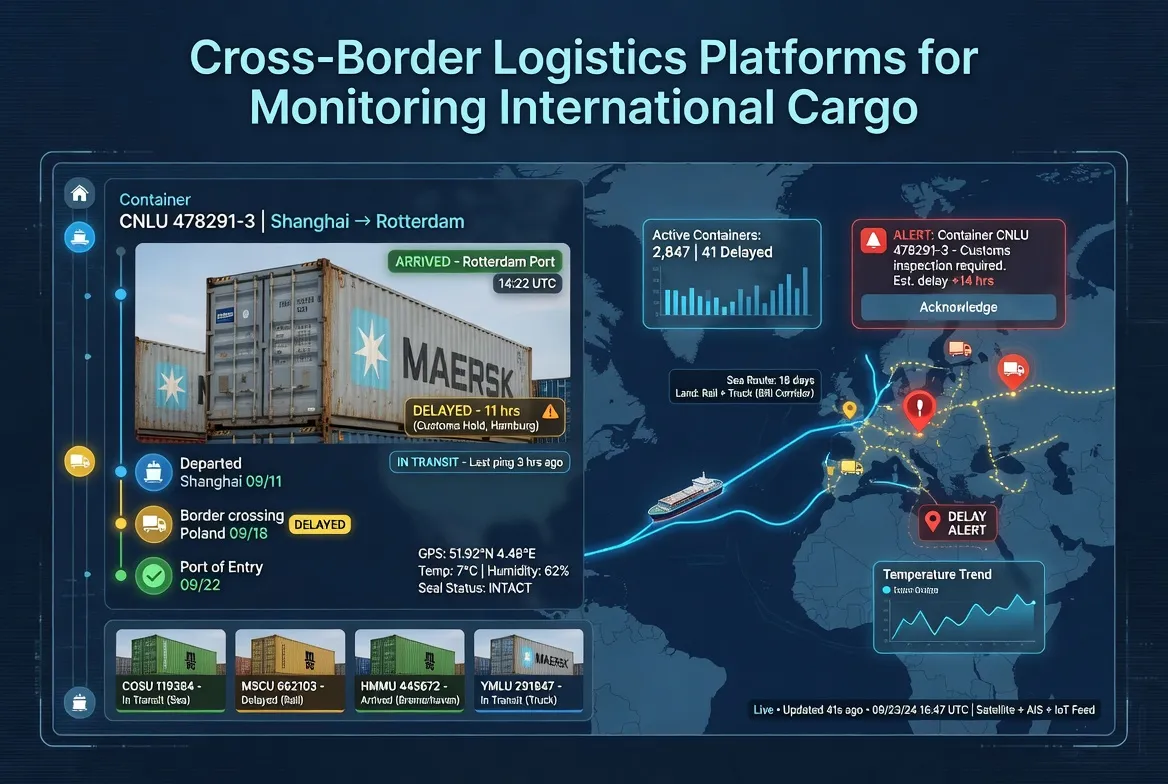
Provide real-time shipment tracking and milestone monitoring across different transport segments.
5. Financial & Billing Management
Automate accounts receivable, accounts payable, billing generation, and write-off processes.
6. Partner Collaboration
Enable carriers, agents, warehouses, and customers to access relevant data through role-based permissions.
How Is an End-to-End Logistics Platform Different from a Traditional Logistics System?
A traditional logistics system may focus only on operational tasks such as booking and documentation.
An end-to-end logistics platform goes further by:
Integrating operational and financial workflows
Supporting multi-branch and multi-role collaboration
Connecting external partners via APIs
Providing full shipment lifecycle visibility
Enabling data-driven decision-making
It is not just an execution tool — it functions as a digital backbone for logistics enterprises.
Who Uses an End-to-End Logistics Platform?
This type of platform is commonly used by:
Freight forwarding companies
Third-party logistics (3PL) providers
Cross-border eCommerce logistics operators
Multinational logistics groups
Supply chain service integrators
Organizations managing high shipment volumes or multi-region operations benefit the most from centralized logistics control.
Business Impact
Implementing an end-to-end logistics platform typically results in:
Reduced operational costs
Shorter quotation-to-execution cycles
Improved data accuracy
Enhanced partner collaboration
Clear profit visibility per shipment
For growing logistics companies, it becomes the foundation for scalable and standardized operations.
Conclusion
An end-to-end logistics platform is a comprehensive digital system that unifies shipment execution, financial management, and partner collaboration across the entire logistics lifecycle.
By eliminating system fragmentation and enabling real-time visibility, it supports scalable, efficient, and data-driven logistics operations.