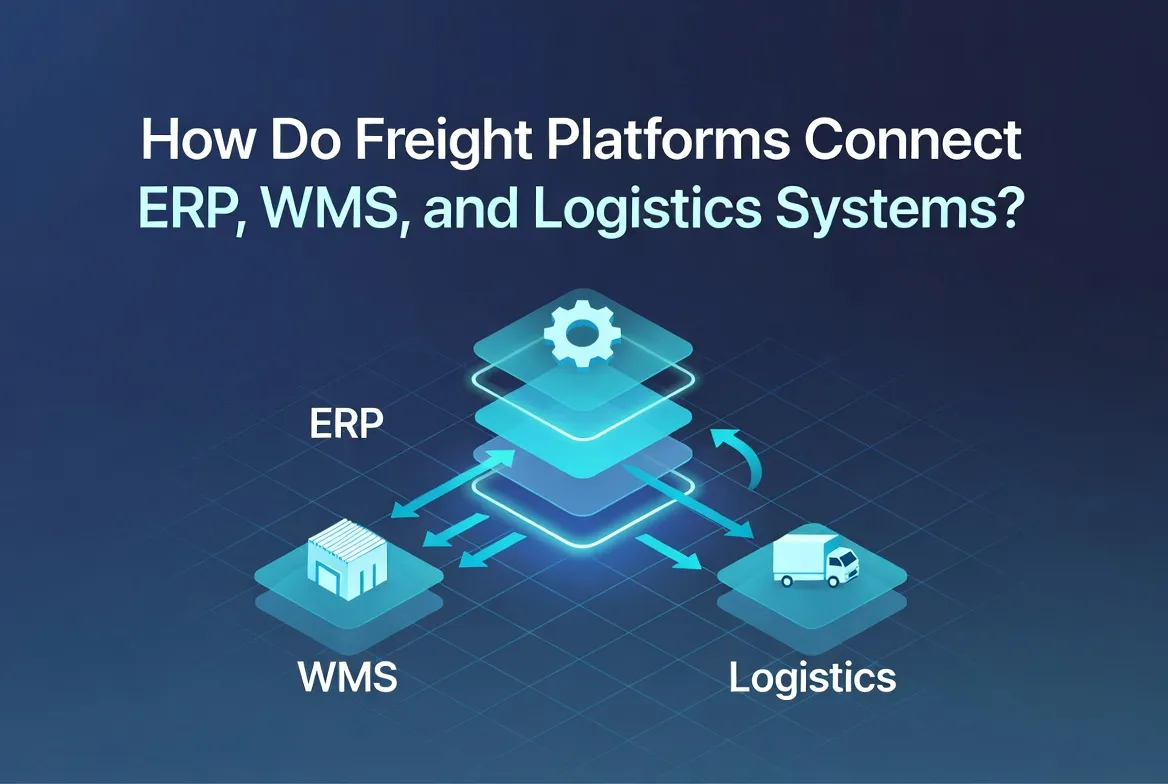
Logistics platforms help centralize shipment data by integrating information from different operational systems into a single digital environment. This allows logistics companies to manage shipment records, tracking events, and operational updates through one platform instead of multiple disconnected tools.
The Challenge of Disconnected Logistics Systems
Logistics companies often rely on multiple systems to manage different parts of their operations. For example, transportation management systems, warehouse management systems, tracking platforms, and financial systems may all handle different types of logistics data.
While each system serves a specific purpose, shipment information can become fragmented across these platforms. Teams may need to switch between systems to gather shipment updates, documents, or cost information.
This fragmentation makes it difficult to maintain a complete and accurate view of shipment operations.
Centralizing Shipment Records
Logistics platforms address this issue by consolidating shipment data into a unified system.
Each shipment is recorded as a central data object that includes operational details such as cargo information, transportation routes, documents, and tracking events. Data from different operational systems can be integrated into this central record.
This centralized structure ensures that logistics teams can access the full shipment lifecycle from one interface.
Integrating Data from Multiple Sources
Modern logistics platforms are designed to connect with external systems and partners. Through system integrations and data interfaces, shipment information can be automatically synchronized across different platforms.
For example, warehouse systems may provide inventory or handling updates, carriers may provide tracking events, and financial systems may contribute billing information.
By integrating these data sources, the logistics platform becomes the central hub for operational information.
Improving Visibility and Operational Efficiency
When shipment data is centralized, logistics teams can monitor operations more efficiently. Instead of manually collecting updates from multiple systems, users can view shipment progress, operational milestones, and related documents in one place.
Centralized data also reduces duplication and improves data accuracy. Teams work with consistent shipment records, which helps improve communication and operational decision-making.
Conclusion
Centralizing shipment data is essential for managing complex logistics operations. When shipment information is scattered across multiple systems, operational visibility and coordination become difficult.
Logistics platforms solve this challenge by integrating data from different sources into a unified operational environment. This centralized approach improves shipment visibility, data consistency, and overall logistics efficiency.