


Mar 19,2026
Key Features of Supply Chain Data Connectivity Platforms
Global freight operations play a crucial role in supporting international supply chains by coordinating the movement of goods across countries and transportation networks. Through structured logistics processes and transportation management, freight operations help ensure that products move efficiently from suppliers to global markets.
Connecting International Transportation Networks
Global supply chains depend on reliable transportation connections between production locations, distribution centers, and final markets. Freight operations organize these connections by planning routes, selecting carriers, and coordinating transportation schedules.
By managing shipping activities across multiple regions, freight operators help link manufacturers, suppliers, distributors, and retailers within the global logistics network. This coordination ensures that goods can move across borders and transportation modes without unnecessary delays.
Managing Multi-Modal Transportation
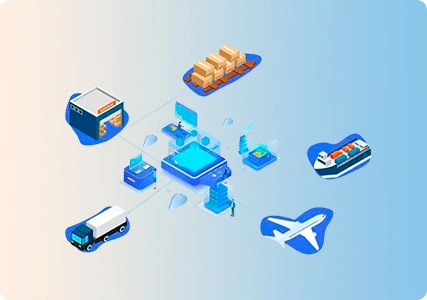
International shipments often rely on multiple transportation methods, including ocean freight, air freight, rail transport, and trucking.
Global freight operations manage these multi-modal logistics chains by coordinating each stage of transportation. Cargo may travel from factories by truck, move internationally by sea or air, and then be delivered through local distribution networks.
Managing these complex transportation combinations helps maintain consistent cargo movement across long-distance supply chains.
Supporting Inventory and Distribution Planning
Freight operations also support supply chain planning by providing reliable transportation timelines and shipment tracking.
When companies can predict transportation lead times more accurately, they can better manage inventory levels and distribution schedules. This helps businesses maintain product availability while reducing excessive inventory costs.
Reliable freight operations therefore contribute directly to efficient supply chain planning.
Improving Supply Chain Visibility
Visibility is a critical factor in global supply chain management. Freight operations generate operational data such as shipment status, transportation milestones, and delivery updates.
This information allows companies to monitor cargo movement and identify potential disruptions in the supply chain. With better visibility, logistics teams can adjust transportation plans and communicate updates to supply chain partners more effectively.
Improved visibility also strengthens coordination between manufacturers, logistics providers, and distributors.
Conclusion
Global freight operations are a fundamental component of international supply chains. By coordinating transportation networks, managing multi-modal shipments, and improving shipment visibility, freight operators help ensure that goods move efficiently across global markets.
If you want to learn more about global freight operations and logistics coordination solutions, feel free to contact WallTech. Since 2011, WallTech has been dedicated to simplifying operational management for international logistics companies through software, helping businesses reduce costs and improve efficiency.

.webp "Key Features of Freight Documentation Platforms")