Logistics operations involve numerous moving parts. Shipments pass through multiple transportation stages, warehouses, and service providers before reaching their final destination. With so many operational steps involved, unexpected disruptions are almost inevitable.
Delays, missing documents, route changes, and operational miscommunications can all create exceptions that disrupt the shipment process. If these issues are not detected early, they can lead to delivery delays, increased costs, and reduced customer satisfaction.
Logistics exception management systems help companies monitor operational activities, identify potential problems early, and respond quickly to disruptions.
Understanding Logistics Exceptions
In logistics operations, an exception refers to any event that deviates from the planned shipment process. Examples of common logistics exceptions include:
Delayed departures or arrivals
Missing or incomplete documents
Unexpected route changes
Customs clearance issues
Warehouse processing delays
Tracking events that fail to update as expected
Without a structured monitoring system, these issues may remain unnoticed until they cause significant operational problems.
Monitoring Shipment Milestones
Exception management systems rely on monitoring shipment milestones throughout the logistics process. Each shipment follows a sequence of expected events, such as booking confirmation, cargo loading, departure, transit updates, and arrival.
The system continuously compares actual shipment events with expected operational milestones. When a shipment fails to reach a milestone within the expected timeframe, the system identifies this deviation as a potential exception.
This monitoring process allows logistics teams to detect problems before they escalate into larger disruptions.
Automated Alerts and Notifications
One of the key features of exception management systems is automated alert generation. When a potential issue is detected, the system can notify relevant team members through dashboards or notification messages.
These alerts help operations teams quickly identify shipments that require attention. Instead of manually reviewing hundreds of shipment records, staff can focus on resolving specific issues highlighted by the system.
Automated notifications ensure that operational problems are addressed promptly.
Improving Operational Response Time
Early detection of exceptions significantly improves response time. When logistics teams are alerted to issues quickly, they can investigate the cause and take corrective actions.
For example, if a shipment is delayed at a transit point, the operations team can contact the carrier, inform the customer, and adjust delivery expectations. If documentation issues are detected, corrective paperwork can be prepared before customs clearance deadlines are missed.
Faster response times help reduce the operational impact of unexpected disruptions.
Enhancing Collaboration Across Teams
Exception management also improves coordination between departments and logistics partners. When exceptions are clearly identified within the system, relevant stakeholders can collaborate to resolve the issue.
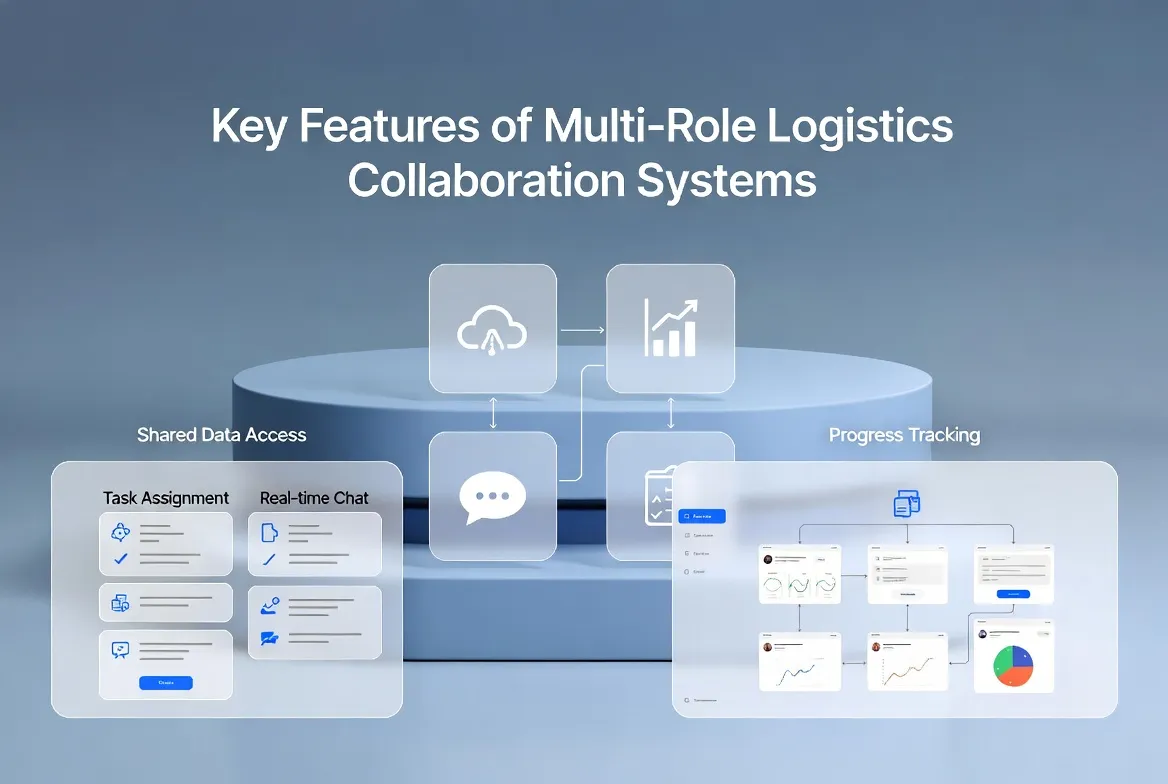
Operations staff, customer service teams, overseas agents, and partners can access the same shipment information and work together to find solutions. This shared visibility helps ensure that problems are addressed efficiently.
Reducing Operational Risks
Without proper monitoring, small operational issues can escalate into larger disruptions. Missed updates or delayed responses may lead to shipment delays, customer complaints, or additional costs.
Exception management systems reduce these risks by providing structured monitoring and proactive alerts. By identifying potential problems early, logistics companies can maintain greater control over their operations.
Strengthening Supply Chain Reliability
In modern logistics environments, reliability depends not only on efficient operations but also on the ability to manage unexpected disruptions.
Exception management systems provide logistics providers with the tools needed to monitor shipments, detect operational deviations, and respond quickly to issues. By combining real-time monitoring with automated alerts and structured workflows, these systems help maintain operational stability across complex logistics networks.
For freight forwarders and logistics service providers, effective exception management plays a crucial role in ensuring reliable supply chain performance and maintaining customer trust.




.webp "Multi Warehouse Management Systems")