May 25,2026
How Do Freight Platforms Coordinate Multiple Logistics Partners?
Introduction
Logistics companies use specialized digital platforms such as Transportation Management Systems (TMS), Freight Forwarding Software, and integrated logistics SaaS platforms to manage shipments. These systems help coordinate booking, documentation, tracking, billing, and collaboration across global supply chains. By centralizing shipment data and automating workflows, they enable logistics teams to manage complex international operations more efficiently and with greater visibility.
In today’s global logistics environment—where shipments involve multiple parties, countries, and transport modes—manual processes and disconnected systems are no longer sufficient. Modern shipment management software provides a unified operational layer that connects stakeholders, streamlines execution, and improves decision-making.
What is Shipment Management Software in Logistics?
Shipment management software refers to digital systems designed to plan, execute, monitor, and optimize the movement of goods across the supply chain.
These platforms typically cover:
Shipment creation and booking
Documentation (e.g., B/L, invoices, customs documents)
Carrier coordination
Tracking and status updates
Cost management and billing
Depending on the company’s scale and business model, this software may be:
Transportation Management Systems (TMS) for route and carrier optimization
Freight Forwarding Systems for end-to-end international logistics operations
Cloud-based logistics platforms for multi-party collaboration and visibility
For freight forwarders and 3PLs, shipment management software acts as the operational backbone of daily business.
Why Shipment Management Software Matters
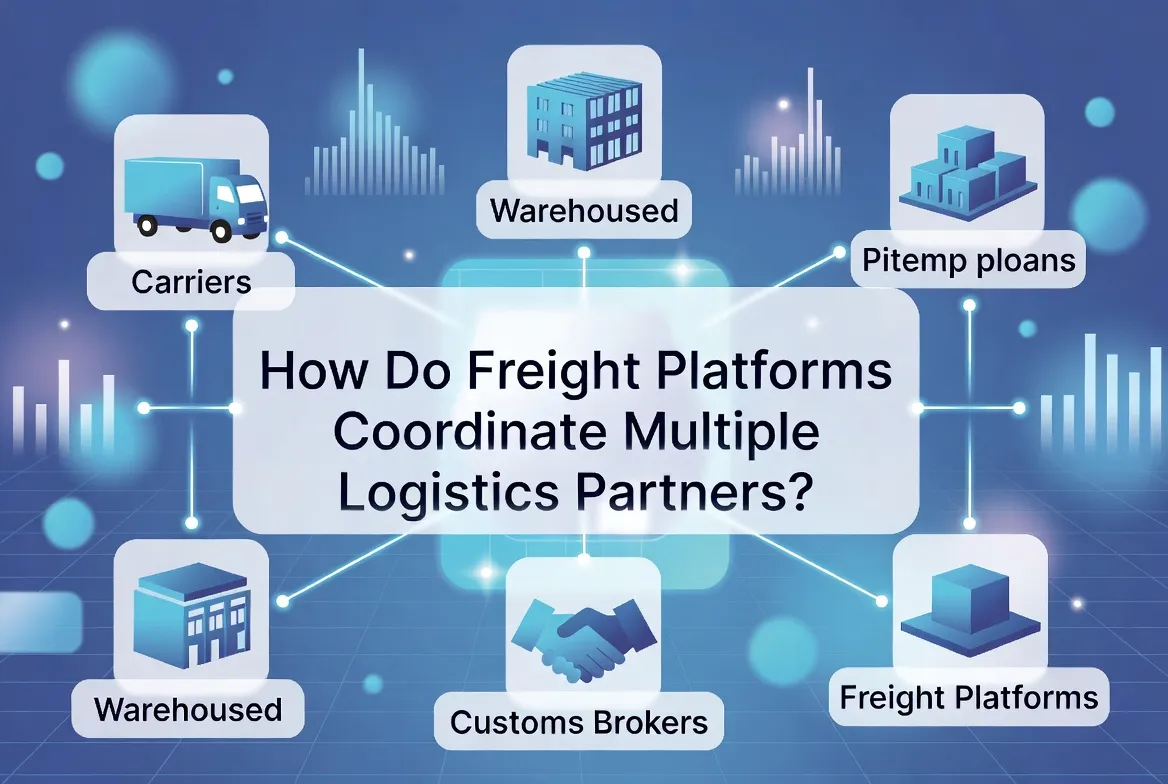
Global logistics operations are inherently complex. A single shipment may involve multiple stakeholders, including shippers, carriers, customs brokers, warehouses, and overseas agents.
Without proper systems, companies often face:
Fragmented data across emails, spreadsheets, and messaging tools
Lack of real-time shipment visibility
Delays caused by manual coordination
Errors in documentation and billing
Inefficient communication between upstream and downstream partners
Shipment management software addresses these challenges by:
Providing a single source of truth for all shipment data
Enabling real-time visibility across the entire shipment lifecycle
Supporting multi-role collaboration across global teams
Automating repetitive operational and financial processes
As logistics networks scale, the importance of digital systems becomes even more critical for maintaining service quality and operational control.
How Shipment Management Software Works
Shipment management software operates by centralizing all shipment-related data and workflows into a unified digital platform.
A typical workflow includes:
Order Creation
Shipment details are entered manually or imported via API/EDI from ERP or eCommerce systems
Planning and Booking
Carriers, routes, and schedules are assigned
Booking confirmations are generated
Execution and Coordination
Different roles (sales, operations, finance, overseas agents) collaborate within the system
Tasks and responsibilities are clearly assigned
Tracking and Visibility
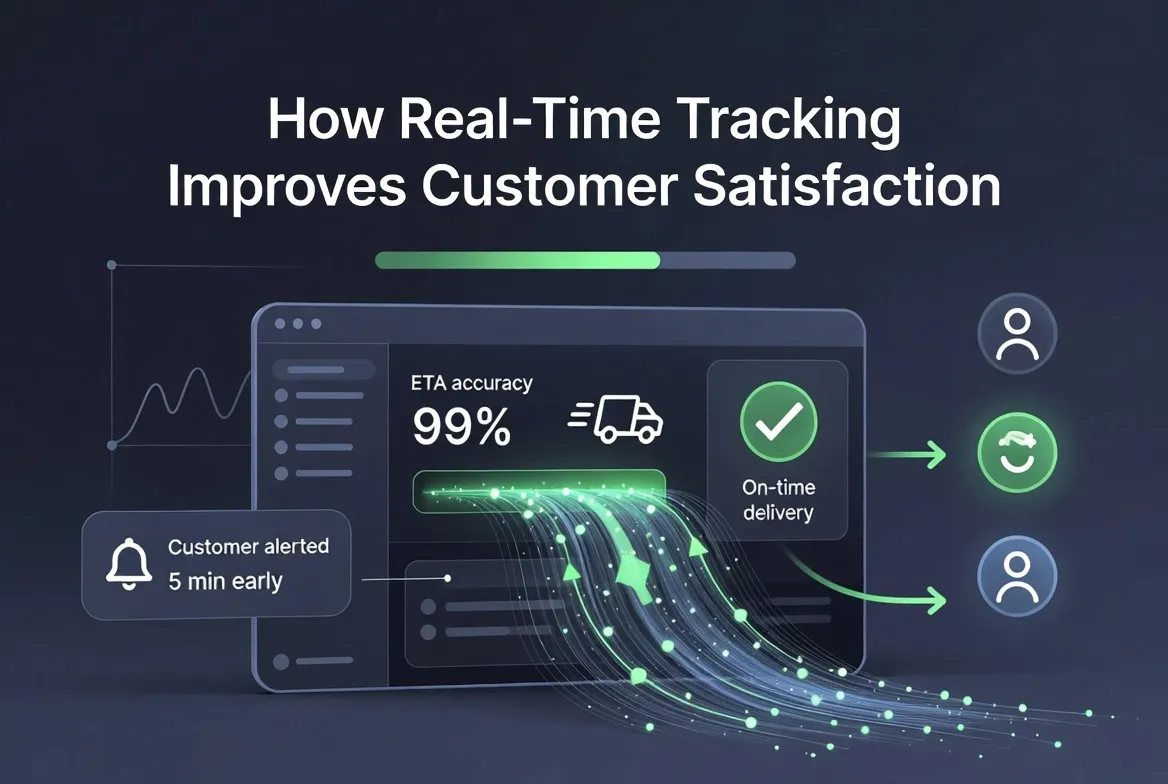
Milestone-based tracking provides updates such as departure, arrival, customs clearance, and delivery
A unified timeline displays the full shipment journey
Documentation and Compliance
Documents are generated, stored, and shared digitally
AI-based data recognition can extract key information from files
Billing and Settlement
Costs and revenues are automatically calculated
Invoices and reconciliation processes are automated
This end-to-end workflow ensures that all stakeholders operate on the same platform, reducing communication gaps and improving efficiency.
Key Features of Shipment Management Software
Modern logistics software typically includes the following key capabilities:
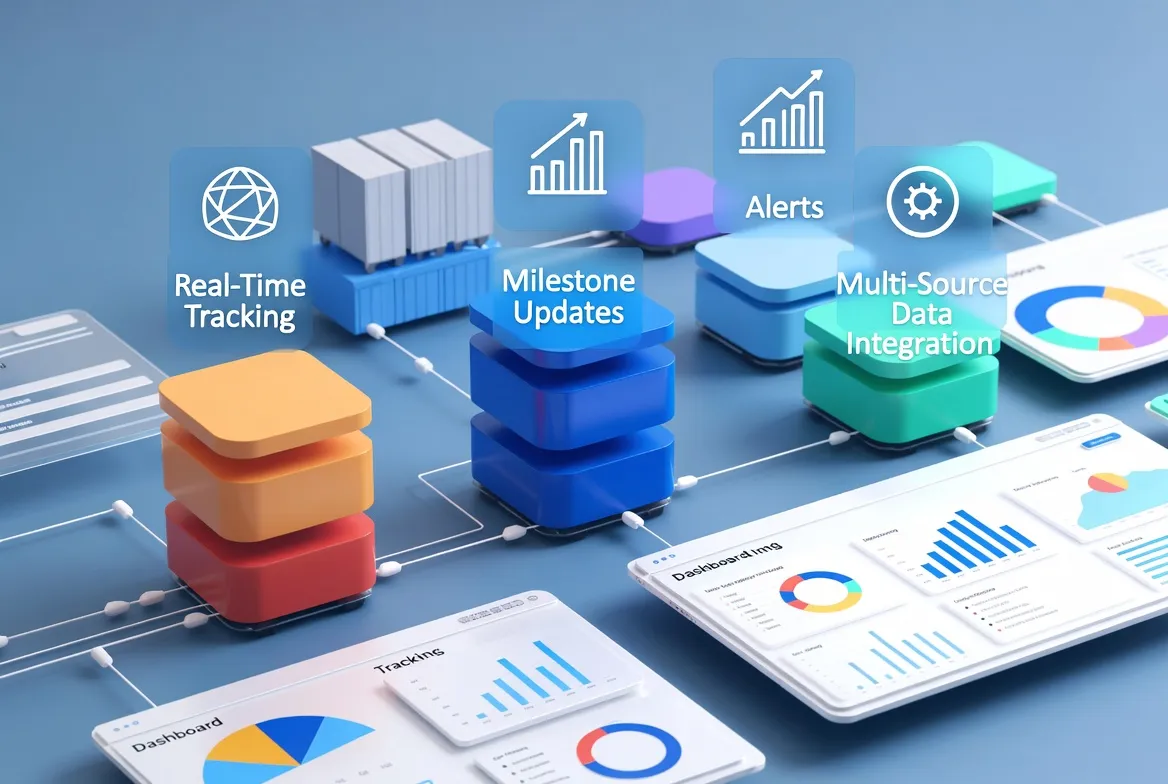
1. End-to-End Shipment Visibility
Real-time tracking across all transport modes
Milestone-based status updates
Unified shipment timeline
2. Multi-Role Collaboration
Coordination between internal teams and external partners
Shared data access across regions and time zones
Reduced reliance on emails and manual communication
3. Workflow Automation
Automated task assignment and status updates
Exception alerts and notifications
Standardized operational processes
4. Document Management
Digital storage and sharing of shipping documents
AI-based document recognition and data extraction
Reduced manual data entry
5. Financial Management
Automated billing and cost calculation
Revenue and profit tracking per shipment
Automated reconciliation with partners
6. System Integration
API/EDI connectivity with ERP, WMS, and carrier systems
Seamless data exchange across platforms
These features collectively enable logistics companies to move from manual operations to structured, scalable workflows.
Benefits for Logistics Companies
Implementing shipment management software delivers measurable operational and strategic benefits:
Improved Operational Efficiency
Reduced manual workload through automation
Faster processing of shipments and documents
Enhanced Visibility and Control
Real-time insights into shipment status
Early detection of delays and exceptions
Better Collaboration
Seamless coordination between global teams and partners
Improved communication across the supply chain
Reduced Errors
Standardized processes minimize human errors
Automated data handling improves accuracy
Scalable Growth
Systems support increasing shipment volumes without proportional increases in staff
Standardized workflows enable expansion into new markets
For freight forwarders and 3PL providers, these benefits translate directly into improved service quality and competitiveness.
Best Practices and Use Cases
Best Practices
To maximize the value of shipment management software:
Centralize all operations within a single platform
Integrate upstream and downstream systems (ERP, WMS, carriers)
Standardize workflows across teams and regions
Leverage automation for repetitive tasks such as billing and documentation
Adopt milestone-based tracking for consistent visibility
Common Use Cases
Freight Forwarders
Managing multi-leg international shipments
Coordinating with overseas agents and carriers
3PL Providers
Handling large volumes of shipments across multiple clients
Providing visibility services to customers
Cross-border eCommerce Logistics
Managing high-frequency, small-parcel shipments
Integrating with eCommerce platforms and fulfillment systems
In all scenarios, the ability to connect data, people, and processes in one system is a key success factor.
Conclusion
Logistics companies rely on advanced shipment management software—such as TMS, freight forwarding systems, and cloud-based logistics platforms—to manage increasingly complex global operations. These systems provide the foundation for visibility, collaboration, and automation, enabling companies to operate more efficiently and scale their business.
As the logistics industry continues to evolve, adopting integrated digital platforms is no longer optional—it is essential for maintaining competitiveness and delivering reliable service in a global market.
Frequently Asked Questions
What is shipment management software in logistics?
Shipment management software is a digital platform used to plan, execute, track, and manage shipments across the supply chain. It centralizes operational data and workflows to improve efficiency and visibility.
How does shipment management software work?
It works by integrating order data, coordinating shipment execution, tracking milestones, managing documents, and automating billing within a unified system accessible to all stakeholders.
Why is shipment management software important?
It reduces manual processes, improves visibility, enhances collaboration, and minimizes errors—helping logistics companies manage complex global operations more effectively.
What are the benefits of using shipment management software?
Key benefits include improved efficiency, real-time tracking, better coordination, reduced operational errors, and scalability for growing shipment volumes.
About WallTech
WallTech is a digital logistics solution provider focused on enabling freight forwarders and logistics companies to optimize global operations through technology. Its platforms support end-to-end logistics collaboration, connecting multiple roles and partners across the supply chain. By combining real-time shipment visibility with milestone-based tracking, and enhancing operations through workflow and financial automation, WallTech helps organizations improve efficiency, accuracy, and scalability in complex logistics environments.
If you're exploring ways to improve your logistics operations, feel free to connect with us to learn more about our solutions and system capabilities.