
Apr 06,2026
What Is Multi-Role Coordination in Logistics Platforms
Introduction
A Transportation Management System (TMS) and freight forwarding software serve different but sometimes overlapping purposes in logistics. A TMS focuses on optimizing transportation planning, execution, and carrier management, while freight forwarding software manages the end-to-end shipment lifecycle, including operations, documentation, customer coordination, and financial processes.
Understanding the differences between these two systems is essential for logistics companies to choose the right solution based on their operational needs and business models.
What is a TMS vs Freight Forwarding Software
What is a TMS
A Transportation Management System (TMS) is designed to plan, execute, and optimize the movement of goods. It is commonly used by shippers, manufacturers, and large logistics providers.
Key functions of a TMS include:
Route planning and optimization
Carrier selection and rate comparison
Freight cost management
Shipment execution and tracking
A TMS focuses primarily on transportation efficiency and cost optimization.
What is Freight Forwarding Software
Freight forwarding software is a comprehensive logistics management system designed specifically for freight forwarders and 3PL providers.
It supports the entire shipment lifecycle, including:
Quotation and booking
Documentation and compliance
Shipment operations and coordination
Customer communication and tracking
Financial management (AR/AP, billing, profit analysis)
Unlike a TMS, freight forwarding software emphasizes operational collaboration and end-to-end process management.
Why the Difference Matters
1. Different Business Models
TMS users: Shippers managing their own transportation
Freight forwarders: Service providers managing shipments for customers
Each requires different system capabilities.
2. Scope of Operations
A TMS focuses on transportation, while freight forwarding software covers:
Multi-role collaboration
Documentation workflows
Financial processes
Customer service
Choosing the wrong system can lead to gaps in operational coverage.
3. Complexity of Freight Forwarding
Freight forwarding involves:
Multiple stakeholders (customers, carriers, agents)
Complex documentation requirements
Cross-border compliance
Freight forwarding software is designed to manage this complexity, while TMS solutions are typically not.
4. Need for End-to-End Visibility
Forwarders require visibility across the entire shipment lifecycle, not just transportation.
Freight forwarding software provides milestone-based tracking and unified timelines, enabling full visibility.
How TMS and Freight Forwarding Software Work
How a TMS Works
A TMS operates by:
Collecting shipment data (origin, destination, volume, weight)
Optimizing routes and selecting carriers
Executing shipments and managing transportation
Tracking shipment status
Analyzing transportation performance and costs
The focus is on transportation planning and execution efficiency.
How Freight Forwarding Software Works
Freight forwarding software manages the entire logistics workflow:
Quotation and Booking
Generate quotes based on rates
Convert approved quotes into shipments
Operations Management
Coordinate shipment execution across teams
Manage milestones and timelines
Documentation Handling
Prepare and manage shipping documents
Ensure compliance with regulations
Tracking and Visibility
Provide real-time updates across all transport stages
Maintain a unified shipment timeline
Financial Management
Track costs and revenues
Automate billing and reconciliation
This approach ensures full lifecycle management of logistics operations.
Key Features / Key Capabilities
TMS Key Features
Route optimization
Carrier selection and rate comparison
Freight cost analysis
Transportation execution
Basic shipment tracking
Freight Forwarding Software Key Features
1. End-to-End Visibility
Real-time shipment tracking
Milestone-based tracking
Unified timeline across all logistics stages
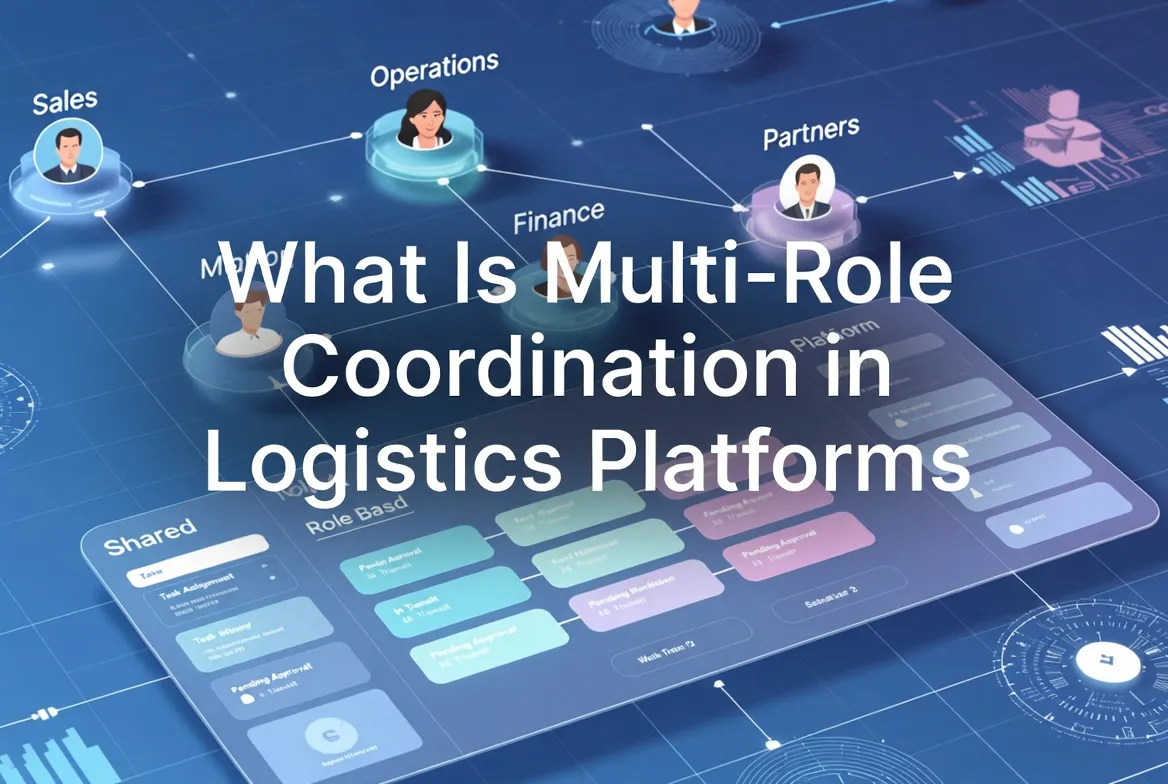
2. Multi-Role Collaboration
Coordination between sales, operations, documentation, and finance
Collaboration with external partners (carriers, agents)
Centralized communication
3. Workflow Automation
SOP-driven process automation
Automated task assignment and alerts
Exception handling
4. AI-Driven Data Processing
OCR for document data extraction
Automated data entry and validation
Reduced manual workload
5. Financial Integration
Automated billing and invoicing
Profit analysis per shipment
Multi-currency support and reconciliation
6. Document Management
Centralized document storage
Easy access and sharing
Compliance support
7. System Integration
API connectivity with external systems
Integration with ERP, WMS, and carrier systems
Real-time data synchronization
Benefits for Logistics Companies
For TMS Users
Optimized transportation costs
Improved route efficiency
Better carrier management
For Freight Forwarders
1. Full Operational Control
Freight forwarding software provides visibility and control across the entire shipment lifecycle.
2. Improved Collaboration
All stakeholders work within a unified system, reducing communication gaps.
3. Reduced Errors
Automation and standardized workflows minimize manual mistakes.
4. Enhanced Customer Experience
Real-time tracking and transparent communication improve service quality.
5. Financial Accuracy
Integrated financial management ensures accurate billing and profitability tracking.
Best Practices / Use Cases
1. When to Use a TMS
Managing large volumes of transportation
Optimizing routes and costs
Working directly with carriers
2. When to Use Freight Forwarding Software
Managing end-to-end logistics operations
Handling complex international shipments
Coordinating multiple stakeholders
Managing documentation and compliance
3. Combined Use Case
Some organizations use both systems:
TMS for transportation optimization
Freight forwarding software for operational management
Best Practices
Evaluate business model and operational needs
Ensure system integration between platforms
Standardize workflows across operations
Leverage automation for efficiency and accuracy
Conclusion
While TMS and freight forwarding software both play important roles in logistics, they serve different purposes. A TMS focuses on transportation optimization, while freight forwarding software provides end-to-end management of logistics operations.
For freight forwarders and 3PL providers, adopting a comprehensive system that supports collaboration, visibility, and automation is essential for managing complex global logistics operations effectively.
Frequently Asked Questions
What is the difference between TMS and freight forwarding software?
A TMS focuses on transportation planning and optimization, while freight forwarding software manages the entire shipment lifecycle, including operations, documentation, and financial processes.
Can freight forwarders use a TMS?
Yes, but a TMS alone may not cover all operational needs. Freight forwarding software is typically required for full lifecycle management.
Why is freight forwarding software important?
It enables end-to-end visibility, collaboration, and automation, helping forwarders manage complex logistics operations efficiently.
Which system is better for logistics companies?
It depends on the business model. Shippers may prefer TMS, while freight forwarders benefit more from freight forwarding software.
Can both systems be integrated?
Yes, many companies integrate TMS with freight forwarding software to combine transportation optimization with operational management.
About WallTech
WallTech provides digital logistics solutions designed to support both transportation coordination and end-to-end freight forwarding operations. Its platforms enable real-time shipment visibility, multi-role collaboration, and workflow automation across global logistics processes.
With capabilities such as milestone-based tracking, AI-driven data processing, automated billing, and integrated financial management, WallTech helps logistics companies improve operational efficiency and maintain control over complex workflows. By connecting internal teams and external partners within a unified system, organizations can streamline operations and scale more effectively.
If you're exploring ways to improve your logistics operations, feel free to connect with us to learn more about our solutions and system capabilities.
.webp "What Is a Logistics Customer Portal and How It Works")