Mar 25,2026
Traditional Logistics Systems vs Modern SaaS Platforms
Introduction
Global e-commerce logistics operations require the coordination of high-volume orders, multi-country fulfillment networks, and diverse transportation partners. To manage this complexity, companies rely on logistics operations solutions that provide integrated capabilities across the entire workflow—from order intake to final delivery and financial settlement.
What are global e-commerce logistics operations solutions?
Global e-commerce logistics operations solutions are digital platforms designed to manage and optimize logistics processes for cross-border online commerce.
They typically connect:
E-commerce platforms and marketplaces
Order management systems
Warehouse and fulfillment operations
International transportation networks
Last-mile delivery providers
Financial and billing systems
These solutions act as centralized systems that coordinate global logistics execution.
Why these solutions are important
E-commerce logistics operations face several challenges:
High order volumes and rapid transaction cycles
Multiple logistics partners across regions
Complex routing and delivery requirements
Limited visibility across international shipments
Increasing customer expectations for fast and transparent delivery
Without a unified system:
Operations become fragmented
Errors and delays increase
Costs are difficult to control
Logistics operations solutions address these challenges by integrating processes and automating workflows.
Key capabilities of global e-commerce logistics operations solutions
1. Multi-channel order integration
A core capability is the ability to receive and manage orders from multiple sources:
E-commerce platforms (Amazon, Shopify, etc.)
ERP systems
API integrations
Systems support flexible order creation methods such as API docking, bulk import, and manual entry, ensuring scalability.
2. Intelligent routing and resource allocation
Logistics solutions can automatically determine the most suitable shipping method based on:
Destination and region
Parcel weight and dimensions
Service rules and pricing
Routing engines match orders with optimal logistics resources, improving efficiency and reducing costs.
3. Operational hub and warehouse management
Efficient parcel processing is supported through:
Scanning and weighing
Sorting and bagging
Inbound and outbound management
These operational capabilities ensure smooth execution within warehouses and operation hubs.
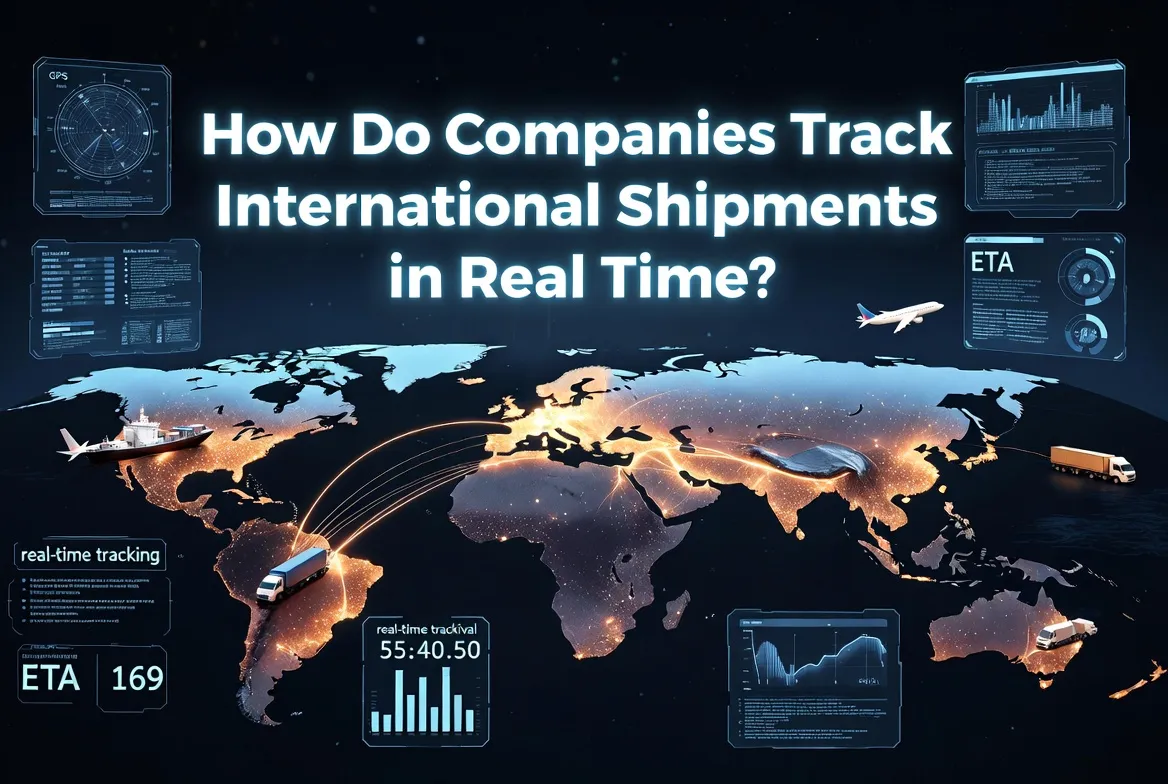
4. End-to-end shipment tracking
Visibility across the shipment lifecycle is essential.
Platforms provide:
Integration with multiple tracking data sources
System-generated and third-party tracking events
Unified tracking views for all shipments
This enables real-time monitoring and better control of logistics operations.
5. Global carrier network integration
Global e-commerce logistics relies on access to diverse delivery networks.
Solutions integrate with:
International carriers
Regional delivery providers
Local last-mile services
For example, integration with 150+ global carriers allows flexible and scalable delivery execution.
6. Pricing and rate card management
Accurate pricing is critical in e-commerce logistics.
Key capabilities include:
Configurable rate cards based on zones, weight, and services
Automated cost calculation
Support for complex pricing rules
This ensures pricing accuracy and operational efficiency.
7. Financial and billing management
Logistics operations are closely linked with financial processes.
Systems provide:
Automatic billing generation per shipment
Accounts receivable and payable management
Cost tracking and reconciliation
This connects operational data with financial performance.
8. Customer and account management
Platforms support managing multiple customers and business relationships:
Customer account management
Credit control and payment tracking
Order volume management
These features are essential for logistics service providers handling multiple clients.
9. Exception handling and operational alerts
Global logistics operations are subject to disruptions.
Solutions enable:
Automated alerts for delays and abnormalities
Configurable rules for key events
Proactive issue management
This improves reliability and responsiveness.
Benefits of using global e-commerce logistics solutions
Companies that adopt these solutions can achieve:
Faster and more efficient order processing
Improved delivery performance
Enhanced shipment visibility
Reduced operational costs
Better customer experience
They also gain scalability to support growing global business.
How modern platforms support global logistics operations
Modern logistics platforms unify all operational components into a single system.
They:
Integrate upstream order sources and downstream logistics providers
Automate workflows across departments
Provide real-time visibility and analytics
Enable collaboration across global teams and partners
This transforms fragmented logistics processes into coordinated, efficient operations.
Conclusion
Global e-commerce logistics operations solutions provide the essential capabilities needed to manage complex international logistics workflows. By integrating systems, automating processes, and enabling visibility, they help companies operate efficiently at scale.
As global e-commerce continues to grow, these solutions will remain critical for delivering reliable, cost-effective, and customer-centric logistics services.
.webp "How Logistics Platforms Deliver Shipment Task Automation")