
Mar 23,2026
How Digital Systems Improve Freight Operations Automation
Introduction
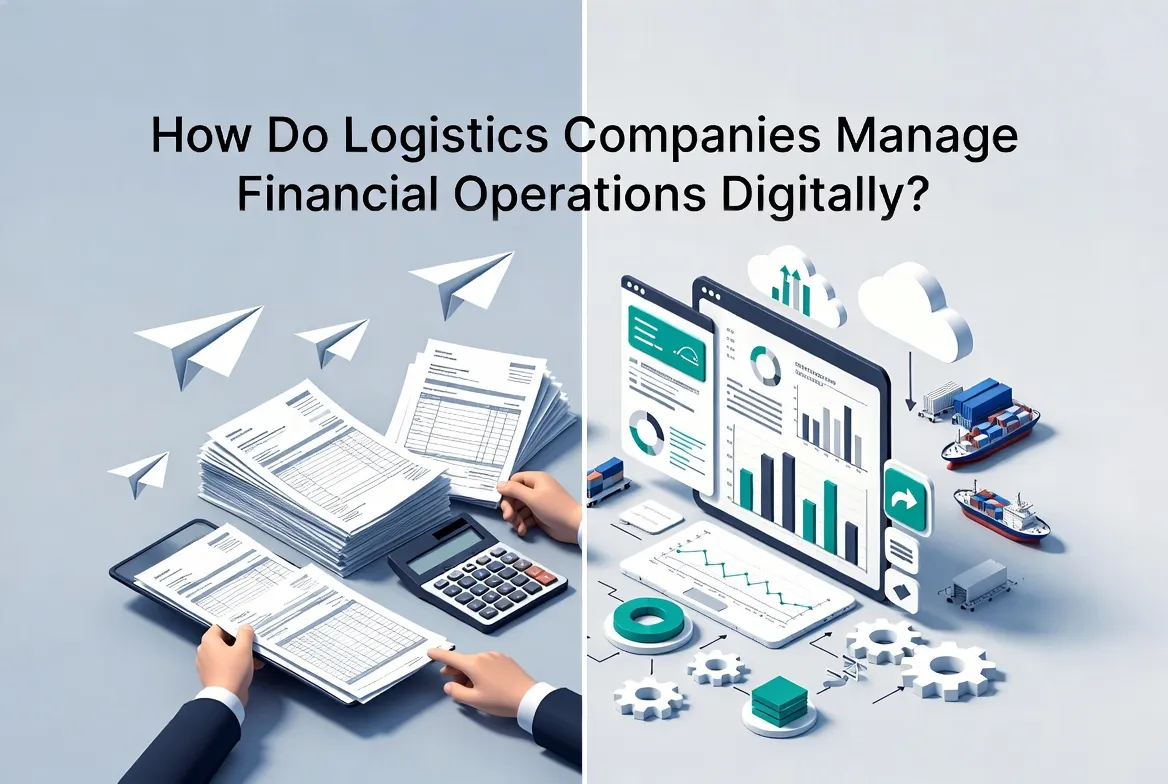
Companies manage freight operations digitally by using integrated logistics platforms that centralize data, automate workflows, enable real-time visibility, and connect multiple stakeholders across the supply chain. These systems replace manual processes with structured, data-driven operations, allowing logistics teams to plan, execute, track, and settle shipments more efficiently.
In today’s logistics environment, traditional freight operations—reliant on emails, spreadsheets, and disconnected tools—struggle to keep up with growing shipment volumes and complexity. Digitalization has become essential for improving operational efficiency, reducing errors, and enabling scalable global logistics management.
What is Digital Freight Operations Management?
Digital freight operations management refers to the use of software platforms and cloud-based systems to manage the end-to-end lifecycle of freight shipments.
It typically includes:
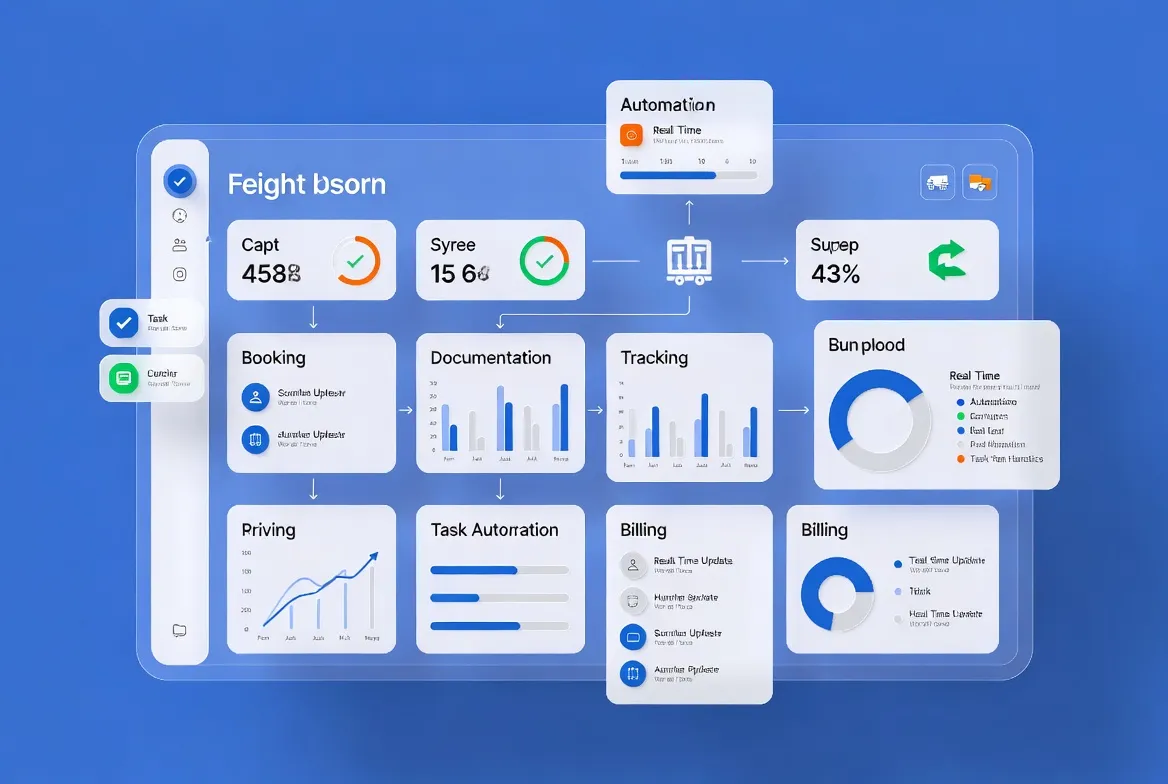
Shipment order management
Carrier booking and execution
Documentation and compliance handling
Real-time shipment tracking
Financial processes such as billing and reconciliation
These systems act as a centralized hub where all operational data, workflows, and stakeholders are connected.
Why Digital Freight Operations Matter
Digital management of freight operations is critical due to increasing complexity in global logistics.
Key challenges in traditional operations include:
Fragmented data: Information stored across multiple systems and formats
Manual processes: Heavy reliance on human input and repetitive tasks
Limited visibility: Difficulty tracking shipments across regions
Inefficient coordination: Lack of real-time communication between teams and partners
Without digital tools, companies often face:
Delays in shipment processing
Increased operational costs
Higher risk of errors in documentation and billing
Poor customer experience
Digital freight operations address these challenges by creating a unified and automated operational environment.
How Companies Manage Freight Operations Digitally
Digital freight management follows a structured process supported by integrated systems.
1. Centralized Order Management
Shipment orders are created and stored in a unified platform
Data is standardized to ensure consistency across operations
Orders trigger automated workflows
2. Automated Workflow Execution
Tasks are automatically assigned to relevant teams
Workflow rules guide the progression of each shipment
Notifications and alerts ensure timely execution
3. Multi-Party Collaboration
Internal teams (sales, operations, finance) work within the same system
External partners (carriers, agents, warehouses) are connected through shared data
Upstream and downstream coordination is streamlined
4. Real-Time Shipment Visibility
Shipments are tracked across all stages and regions
Milestone-based tracking provides a unified timeline
Exceptions are identified and managed proactively
5. AI-Driven Data Processing
Documents such as invoices and shipping instructions are processed automatically
Data is extracted and validated using AI technologies
Manual data entry is minimized
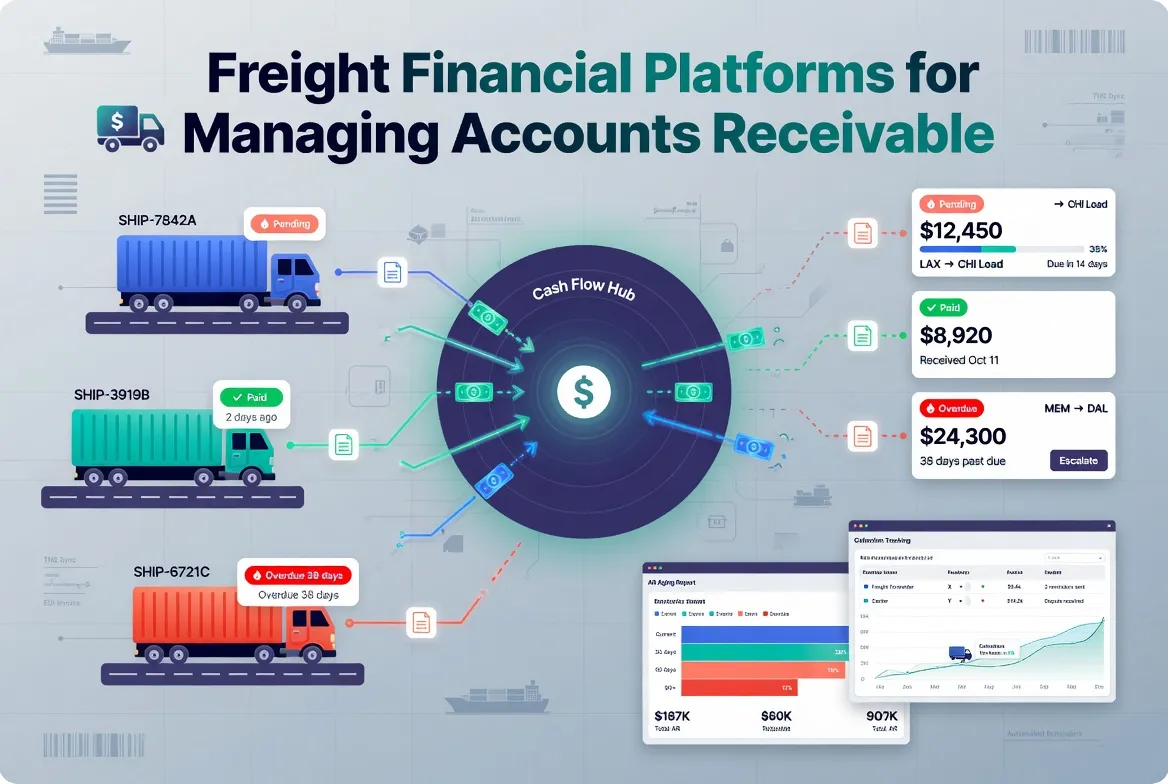
6. Integrated Financial Management
Billing is generated automatically based on shipment data
Costs and revenues are tracked in real time
Reconciliation processes are automated
Key Features / Key Capabilities
Digital freight platforms offer several core capabilities that enable efficient operations.
1. End-to-End Visibility
Real-time tracking across shipment lifecycle
Centralized dashboards for monitoring operations
Transparent communication with customers
2. Workflow Automation
Automated task creation and execution
Configurable process rules
Reduced manual intervention
3. Multi-Role Collaboration
Seamless coordination between departments and partners
Shared access to operational data
Improved communication efficiency
4. AI Data Recognition
Automated extraction of data from documents
Error reduction and faster processing
Enhanced data accuracy
5. Financial Automation
Automated invoicing and cost calculation
Integrated financial and operational data
Faster and more accurate reconciliation
Benefits for Logistics Companies
Digital freight operations deliver measurable business benefits:
Higher efficiency: Reduced manual workload and faster processes
Improved accuracy: Fewer errors in data and documentation
Enhanced visibility: Real-time insights into shipment status
Better collaboration: Stronger coordination across teams and partners
Scalability: Ability to handle growth without operational bottlenecks
These advantages help companies remain competitive in a fast-moving logistics market.
Best Practices / Use Cases
1. Implement a Unified Platform
Avoid fragmented systems by consolidating operations into a single digital environment.
2. Standardize Data and Processes
Ensure consistent data formats and workflows across all operations.
3. Leverage Automation Strategically
Focus on automating repetitive and high-volume tasks to maximize efficiency.
4. Enable Real-Time Tracking
Provide visibility to both internal teams and customers for better decision-making.
5. Integrate Financial and Operational Workflows
Link billing and reconciliation directly to shipment execution.
Use Case Example:
A 3PL company handling cross-border shipments can:
Receive orders digitally from customers
Automatically generate workflows for each shipment
Track shipments across multiple transport modes
Automate invoicing based on delivery milestones
This digital approach reduces manual effort and improves operational control.
Conclusion
Managing freight operations digitally is no longer optional for logistics companies operating in global markets. By adopting integrated platforms, companies can transform fragmented and manual processes into efficient, automated workflows.
Digital freight management enables better visibility, stronger collaboration, and improved scalability—key factors for success in modern logistics operations.
Frequently Asked Questions
What is digital freight operations management?
It is the use of software platforms to manage freight processes such as booking, tracking, and billing in a centralized and automated way.
How do companies digitize freight operations?
They implement logistics platforms that integrate workflows, automate tasks, and provide real-time visibility.
Why is digitalization important in freight operations?
It improves efficiency, reduces errors, and enables better coordination across global supply chains.
What are the key benefits of digital freight platforms?
They offer visibility, automation, collaboration, and scalability for logistics operations.
How does automation improve freight operations?
Automation reduces manual work, speeds up processes, and ensures consistency in execution.
About WallTech
WallTech provides digital logistics solutions that help freight forwarders and logistics companies manage operations more efficiently in a global environment. Its platforms support end-to-end collaboration across multiple roles and partners, enable real-time shipment visibility through milestone-based tracking, and offer workflow and financial automation. By connecting operational processes within a unified system, WallTech helps companies reduce manual complexity, improve data accuracy, and scale their freight operations effectively.
If you're exploring ways to improve your logistics operations, feel free to connect with us to learn more about our solutions and system capabilities.