
Feb 28,2024
Cross-border e-Commerce during 2024 Chinese New Year: Growth and Solutions
Introduction
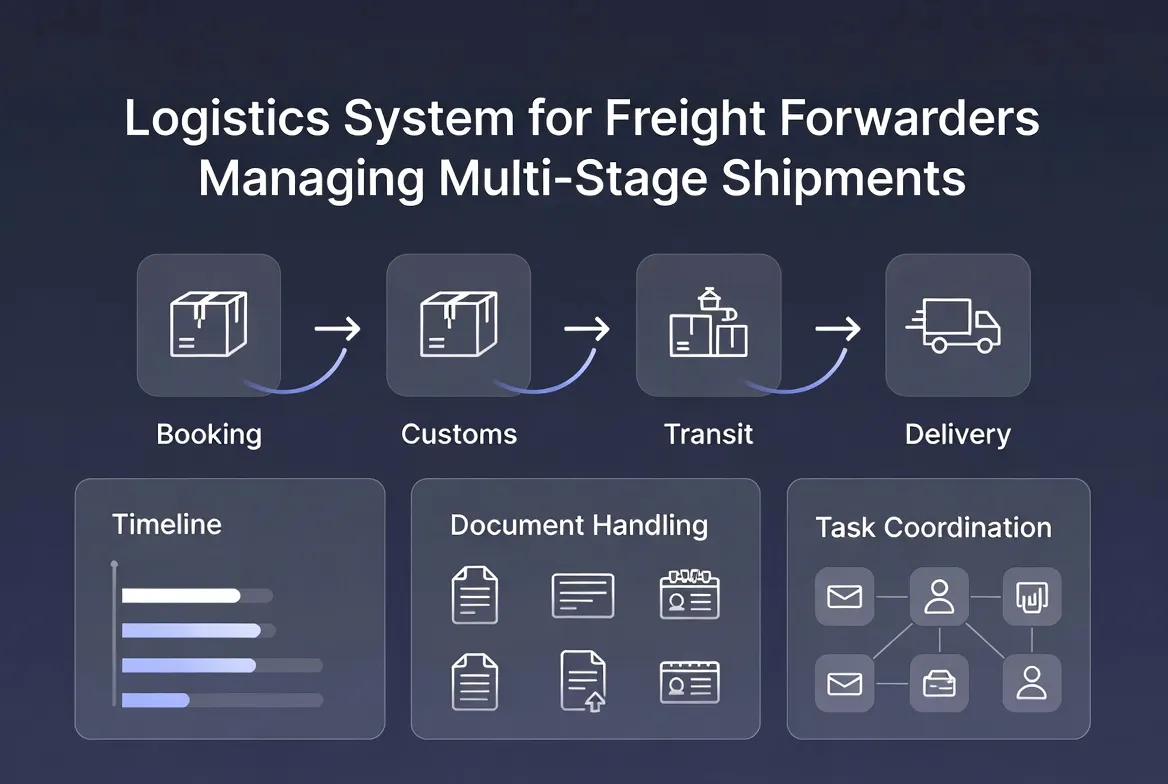
Logistics software for digital freight forwarders refers to integrated platforms that enable freight forwarding companies to manage end-to-end shipment operations, automate workflows, and achieve real-time visibility across global supply chains. These systems replace manual, fragmented processes with centralized, data-driven operations, allowing forwarders to operate more efficiently and scale in a competitive digital environment.
As the logistics industry shifts toward digitalization, freight forwarders are increasingly adopting advanced platforms to streamline operations, improve customer experience, and enhance collaboration across global networks.
What is Logistics Software for Digital Freight Forwarders
Logistics software for digital freight forwarders is a comprehensive system designed to manage the full lifecycle of shipments, including:
Quotation and rate management
Order and shipment creation
Documentation and compliance
Transportation tracking
Financial management
Unlike traditional systems or spreadsheets, modern logistics platforms provide:
A unified operational environment
Real-time data synchronization
Automation across workflows
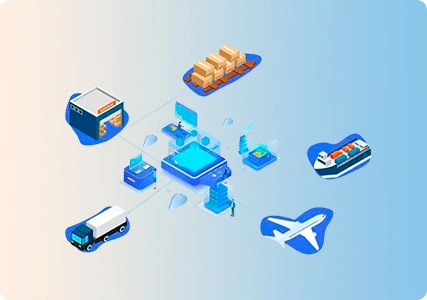
These platforms are built to support multi-modal logistics (sea, air, land, express) and enable forwarders to manage complex global operations within a single system.
Why Logistics Software Matters for Freight Forwarders
1. Addresses Fragmented Operations
Many freight forwarders still rely on:
Multiple disconnected systems
Email-based communication
Manual spreadsheets
This leads to inefficiencies and errors. Logistics software centralizes operations into one platform.
2. Improves Visibility
Without digital tools, tracking shipments across multiple modes and partners is difficult. Logistics software provides:
End-to-end shipment visibility
Milestone-based tracking
Unified timelines
3. Enhances Collaboration
Freight forwarding involves multiple roles:
Sales
Pricing
Documentation
Operations
Finance
A digital platform enables seamless coordination across these roles and with external partners.
4. Reduces Manual Work
Automation capabilities reduce:
Data entry tasks
Document handling
Status updates
5. Supports Scalability
Digital freight forwarders can:
Handle higher shipment volumes
Expand into new markets
Integrate with global partners
How Logistics Software Works
1. Centralized Shipment Management
All shipment data is managed within a single system:
Orders are created manually, via import, or through API
Shipments are tracked across all stages
2. Workflow Automation
Systems automate key processes:
Order creation and processing
Status updates and notifications
Task assignments across departments
3. Data Integration
Logistics platforms connect with:
Carrier systems
eCommerce platforms
Customs systems
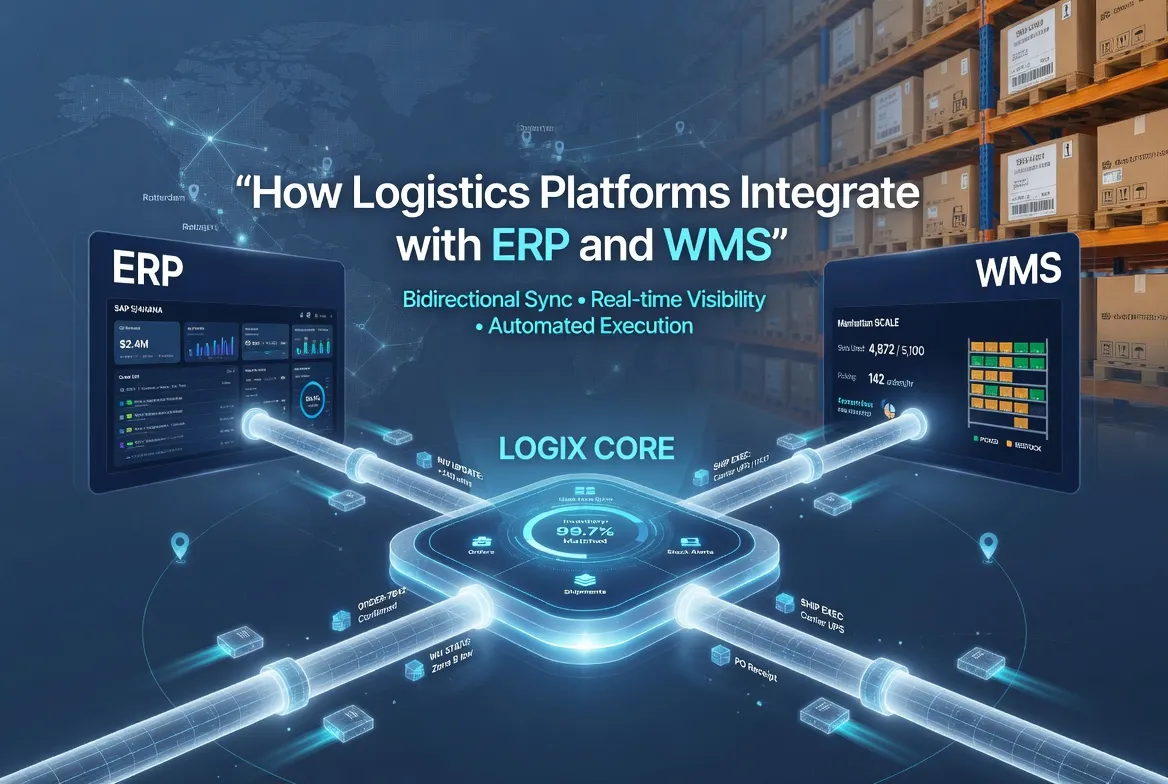
ERP and financial systems
This ensures seamless data flow across the supply chain.
4. Real-Time Tracking
Shipment data is continuously updated through:
Carrier integrations
Manual updates when necessary
This creates a unified, real-time view of shipment status.
5. Financial Synchronization
Operational data is linked with financial processes:
Cost calculation
Revenue tracking
Invoice generation
Key Features of Logistics Software
1. End-to-End Shipment Visibility
Milestone-based tracking across all transport modes
Unified shipment timeline
2. Multi-Role Collaboration
Shared workflows across departments
Role-based access control
3. Automation Capabilities
AI-driven data recognition (e.g., OCR for documents)
Workflow automation
Automated billing and reconciliation
4. Rate and Quotation Management
Structured rate cards
Fast quotation generation
5. Document Management
Centralized storage of shipping documents
Easy access and sharing
6. Financial Management
Real-time profit analysis
Multi-currency support
Automated invoicing
7. Integration Capabilities
API connectivity with external systems
Support for global logistics networks
Benefits for Logistics Companies
1. Increased Operational Efficiency
Faster processing of shipments
Reduced manual workload
2. Improved Accuracy
Elimination of duplicate data entry
Reduced human errors
3. Enhanced Customer Experience
Real-time tracking visibility
Transparent communication
4. Better Decision-Making
Access to real-time operational and financial data
Improved forecasting and planning
5. Cost Optimization
Lower operational costs
Improved resource utilization
6. Competitive Advantage
Ability to offer digital services
Faster response to customer needs
Best Practices / Use Cases
1. Digital Freight Forwarding Operations
Forwarders can manage:
Multi-modal shipments
Complex global routes
Multiple partners and agents
All within a unified system.
2. Cross-Border Logistics
Digital platforms support:
Automated document processing
Customs integration
Real-time tracking across borders
3. Customer Self-Service Portals
Customers can:
Submit shipment requests
Track shipments
Access documents
This improves transparency and reduces communication delays.
4. Financial Automation
Integrated systems enable:
Automated billing
Cost allocation
Profit analysis per shipment
5. Exception Management
Systems detect and respond to issues:
Delays trigger alerts
Workflows ensure quick resolution
Conclusion
Logistics software is a critical enabler for digital freight forwarders. By centralizing operations, automating workflows, and providing real-time visibility, these platforms transform traditional forwarding into a more efficient, scalable, and data-driven business.
As the logistics industry continues to evolve, adopting digital logistics software is essential for forwarders looking to remain competitive and deliver high-quality service.
Frequently Asked Questions
What is logistics software for freight forwarders?
It is a digital platform that helps freight forwarders manage shipments, automate workflows, and achieve real-time visibility across operations.
How does logistics software work for freight forwarders?
It centralizes shipment management, integrates with external systems, and automates processes such as tracking, documentation, and billing.
Why do freight forwarders need logistics software?
To improve efficiency, reduce manual work, enhance visibility, and support scalable operations in a competitive market.
What are the benefits of digital freight forwarding software?
Benefits include faster operations, improved accuracy, better customer experience, cost savings, and enhanced decision-making.
About WallTech
WallTech provides digital logistics platforms designed to support the transformation of freight forwarders into fully digital operations. Its solutions enable end-to-end collaboration across multiple roles and partners, ensuring seamless coordination throughout the shipment lifecycle. With real-time visibility, milestone-based tracking, and automation capabilities such as AI-powered data recognition, automated billing, and reconciliation, WallTech helps logistics companies reduce manual processes and improve operational efficiency. By integrating operational and financial workflows, it supports scalable growth and data-driven decision-making.
If you're exploring ways to improve your logistics operations, feel free to connect with us to learn more about our solutions and system capabilities.
.webp "How Digital Freight Platforms Standardize Operational SOPs in Logistics Companies")