

Apr 14,2026
How AI Enhances Logistics Financial Analysis
Introduction (direct answer + context)
Freight financial platforms for freight financial automation are systems that automate the full range of financial processes in logistics operations, including billing, cost allocation, reconciliation, and financial reporting. By integrating operational and financial data, these platforms eliminate manual tasks and ensure that financial workflows are accurate, consistent, and scalable. For freight forwarders, 3PLs, and cross-border logistics providers, financial automation is essential to handle complex, high-volume operations efficiently while maintaining profitability and control.
What is Freight Financial Automation
Freight financial automation refers to the use of digital platforms to automate financial tasks and workflows within logistics operations.
This includes automating:
Invoice generation and billing
Cost calculation and allocation
Accounts receivable and payable processes
Reconciliation and write-offs
Financial reporting and analysis
Unlike traditional accounting systems, freight financial automation platforms are tightly integrated with logistics workflows, ensuring that financial data is generated directly from operational activities.
This creates a seamless connection between shipment execution and financial management.
Why Freight Financial Automation Matters
Logistics operations involve complex financial processes due to:
High transaction volumes
Multiple stakeholders and service providers
Multi-currency and cross-border operations
Dynamic pricing and cost structures
Manual financial processes often result in:
Errors in billing and cost allocation
Delayed invoicing and payment cycles
High administrative workload
Limited financial visibility
Freight financial automation addresses these challenges by:
Reducing manual intervention
Improving accuracy and consistency
Accelerating financial processes
Enabling real-time financial insights
This allows logistics companies to operate more efficiently and competitively.
How Freight Financial Automation Works
Freight financial platforms automate financial processes through integrated workflows:
1. Data Capture from Operations
Financial data is automatically captured from:
Shipment bookings and execution
Rate cards and pricing systems
Supplier invoices and contracts
AI-driven tools such as OCR extract data from documents, reducing manual input.
2. Automated Cost and Revenue Calculation
The platform calculates:
Revenue based on customer pricing agreements
Costs based on supplier contracts and operational data
Allocation of shared costs across shipments
All calculations are rule-based and automated.
3. Billing and Invoicing Automation
Invoices are generated automatically:
Based on shipment milestones or predefined triggers
With itemized charges and multi-currency support
According to customer-specific formats
4. Reconciliation and Financial Control
The system automates:
Matching receivables with payments
Matching payables with supplier invoices
Identifying discrepancies and exceptions
5. Reporting and Analytics
The platform provides:
Real-time financial dashboards
Profit and cost analysis
Customizable financial reports
These insights support decision-making and performance optimization.
Key Features / Key Capabilities
Freight financial platforms for financial automation typically include:
End-to-End Financial Automation
Automated billing and invoicing
Automated cost allocation and calculation
Automated reconciliation and write-off
Real-Time Visibility
Unified dashboards for revenue, cost, and profit
Tracking financial status across shipments
Linking financial data with operational milestones
AI-Driven Data Processing
OCR for invoice and document recognition
Automated data validation and extraction
Reduced manual data entry
Workflow Automation
Automated approval processes
Role-based workflow management
Exception handling and alerts
Multi-Role Collaboration
Coordination between operations, finance, and management teams
Shared access to financial and operational data
Integration with upstream and downstream partners
Integration and Connectivity
API integration with ERP, WMS, and external systems
Real-time data synchronization
Seamless system interoperability
These capabilities ensure that financial processes are efficient, accurate, and scalable.
Benefits for Logistics Companies
Increased Efficiency
Automation reduces manual workload and speeds up financial processes.
Improved Accuracy
Automated calculations and data capture minimize errors.
Faster Cash Flow
Timely invoicing and reconciliation accelerate payment cycles.
Enhanced Financial Visibility
Real-time insights enable better monitoring and control.
Scalability
Automation supports business growth without increasing operational complexity.
Best Practices / Use Cases
1. High-Volume Logistics Operations
Automate financial workflows to handle large numbers of shipments efficiently.
2. Cross-Border Logistics
Manage multi-currency transactions and international financial processes seamlessly.
3. Integrated Operations and Finance
Align financial automation with operational workflows for consistent data management.
4. Partner and Agent Collaboration
Streamline financial coordination with global partners and service providers.
5. Exception Management
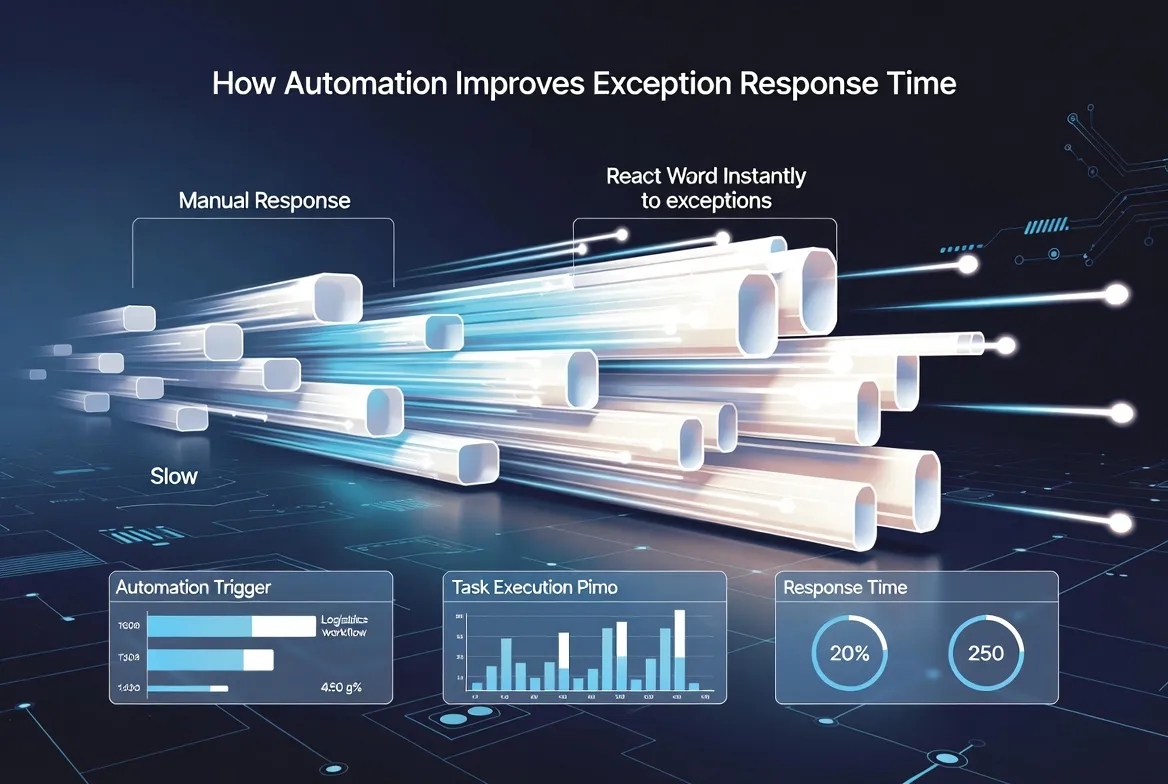
Use automated alerts to identify and resolve financial discrepancies quickly.
Conclusion
Freight financial automation is a key enabler of efficiency and scalability in modern logistics operations. Freight financial platforms provide the tools needed to automate complex financial workflows, improve accuracy, and deliver real-time insights. By integrating financial processes with operational data, these platforms help logistics companies reduce costs, enhance performance, and maintain competitiveness in a rapidly evolving industry.
Frequently Asked Questions
What is freight financial automation?
Freight financial automation is the use of digital platforms to automate financial processes such as billing, cost allocation, reconciliation, and reporting in logistics operations.
How does freight financial automation work?
It captures operational data, applies automated rules for calculations, generates invoices, and manages reconciliation and reporting processes.
Why is financial automation important in logistics?
It improves efficiency, reduces errors, accelerates cash flow, and provides real-time financial visibility.
What are the benefits of freight financial automation?
Benefits include increased efficiency, improved accuracy, faster financial cycles, enhanced visibility, and better scalability.
Who should use freight financial automation platforms?
Freight forwarders, 3PL providers, and cross-border logistics companies benefit from automated financial workflows.
About WallTech
WallTech provides digital logistics solutions that integrate financial automation with end-to-end logistics operations. By connecting shipment workflows with billing, cost management, and financial processes, the platform enables seamless collaboration across multiple roles and departments. With capabilities such as milestone-based tracking, automated billing, intelligent workflow automation, and real-time financial visibility, WallTech helps logistics companies improve efficiency, reduce manual effort, and scale their operations in global markets.
If you're exploring ways to improve your logistics operations, feel free to connect with us to learn more about our solutions and system capabilities.