Apr 09,2026
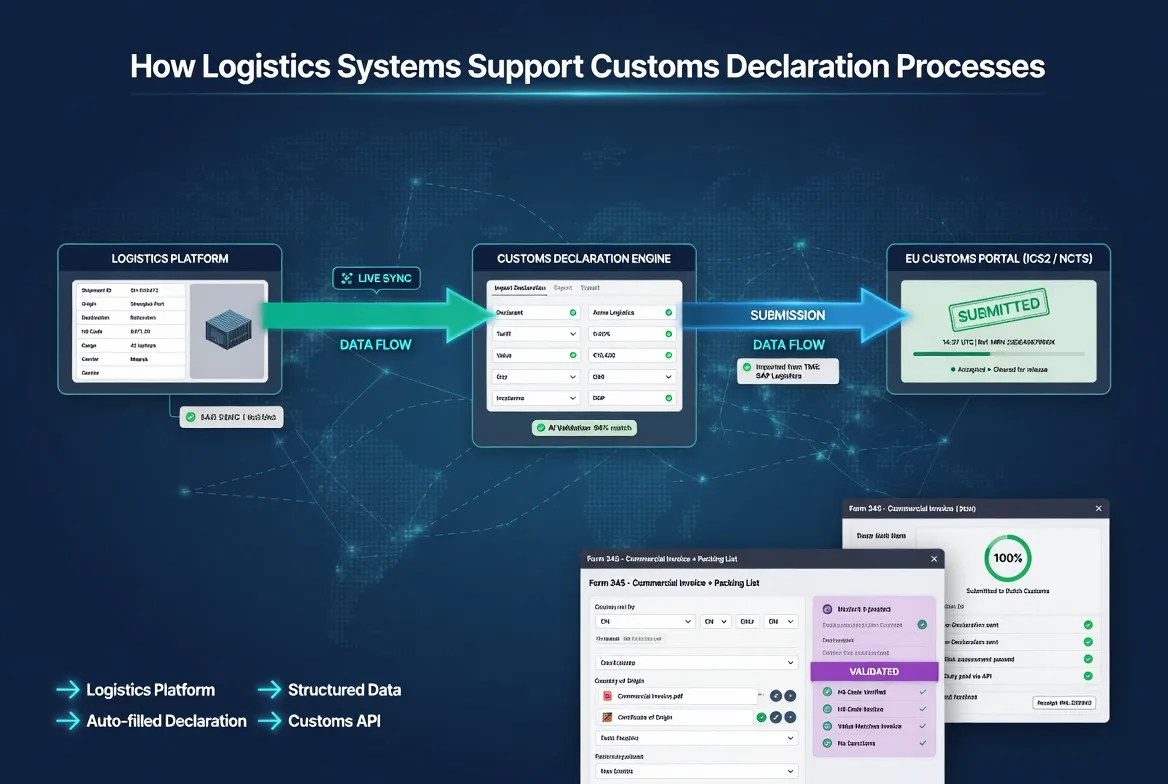
How Logistics Systems Support Customs Declaration Processes
Freight forwarding operations play a central role in coordinating international transportation activities. By organizing shipment planning, transportation management, and partner coordination, freight forwarders help ensure that goods move efficiently through global logistics networks.
Coordinating Complex Transportation Processes
International logistics involves multiple transportation stages, including cargo pickup, warehousing, customs clearance, international transport, and final delivery. Each stage may be handled by different logistics providers.
Freight forwarding operations help coordinate these activities by managing shipment schedules, transportation routes, and operational milestones. Through structured operational management, freight forwarders ensure that cargo moves smoothly across different transportation segments.
Effective coordination helps reduce delays and improves the overall efficiency of logistics operations.
Managing Multi-Modal Transportation
Many international shipments rely on multiple transportation modes, such as ocean freight, air freight, rail transport, and trucking.
Freight forwarding operations help manage these multi-modal transport chains by planning routes, booking carriers, and monitoring shipment progress across different transportation segments.
By organizing transportation activities within a structured operational workflow, freight forwarders help maintain better control over shipment timelines and delivery performance.
Improving Shipment Visibility
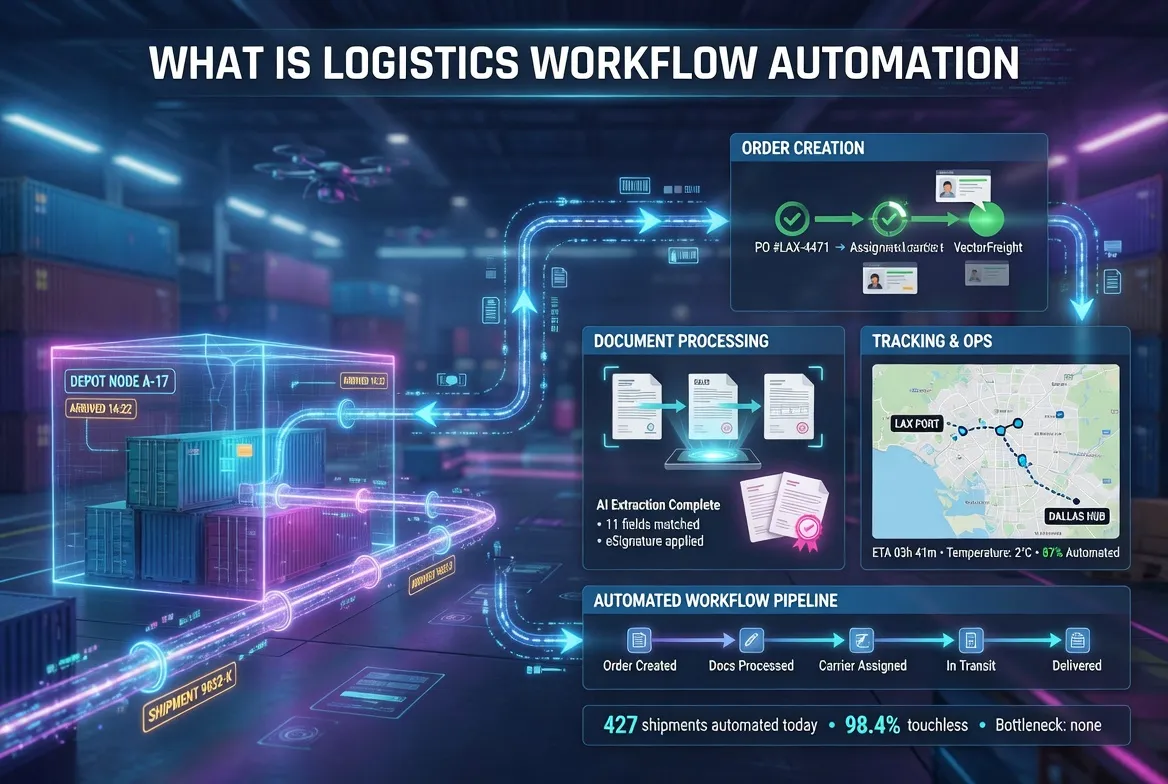
Shipment visibility is critical for modern logistics operations. Freight forwarding teams monitor shipment progress by tracking operational milestones such as departure, arrival, customs clearance, and delivery.
With better visibility into cargo movement, logistics companies can identify potential delays earlier and communicate shipment updates to customers more effectively.
Improved tracking also allows companies to maintain greater transparency throughout the transportation process.
Supporting Operational Efficiency
Freight forwarding operations also contribute to overall logistics efficiency by organizing operational data and documentation.
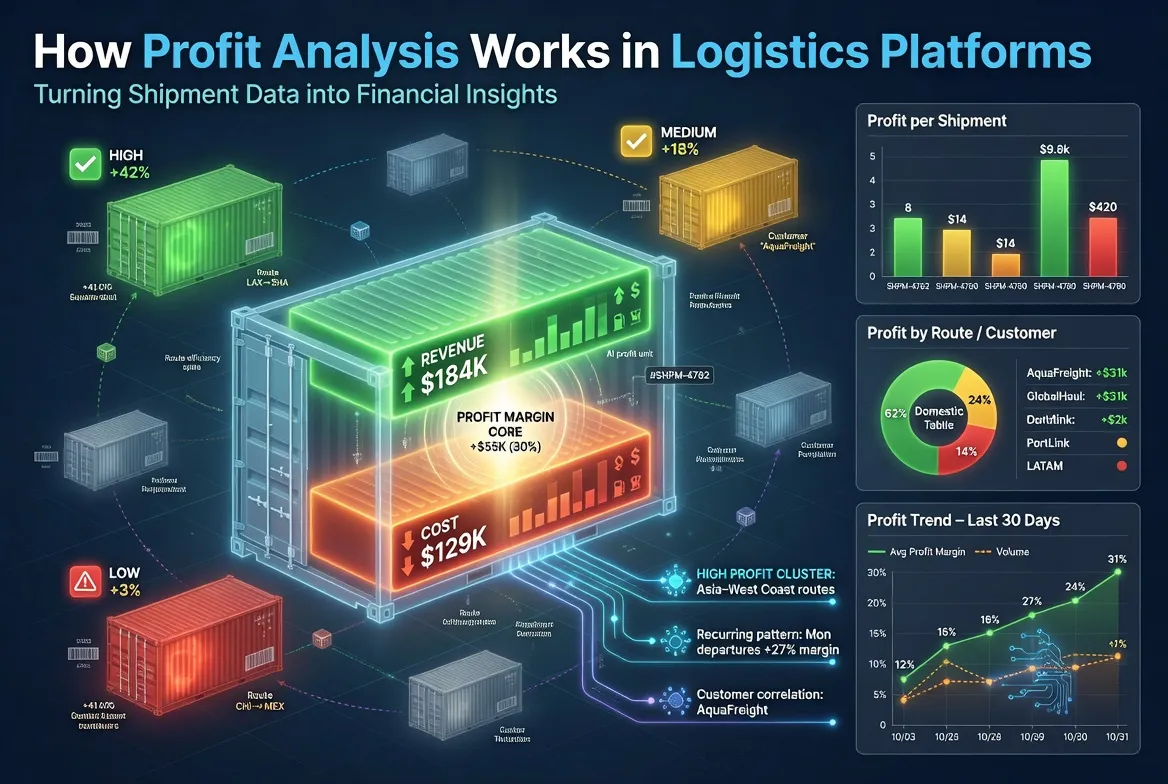
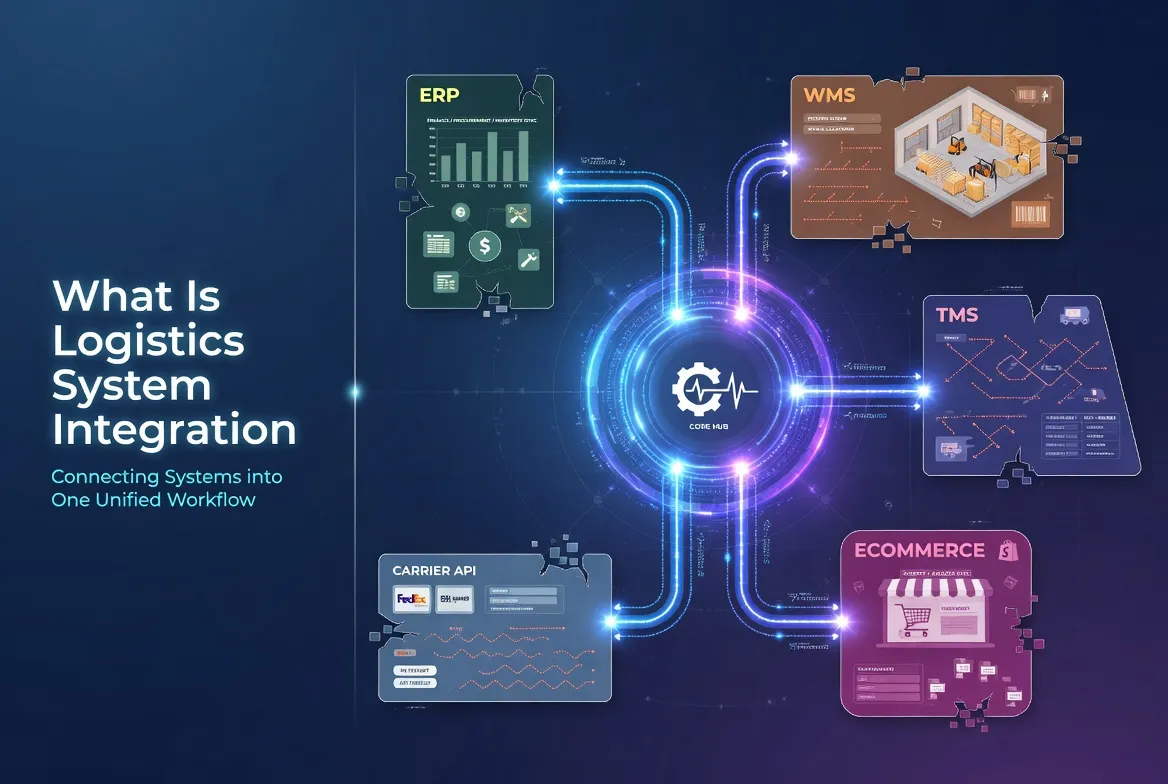
By maintaining centralized shipment records, freight forwarders can manage cargo information, documents, and financial details in a more structured way. This helps reduce manual data entry and simplifies communication between teams and partners.
As shipment volumes increase, structured operational management becomes essential for maintaining efficiency and operational control.
Conclusion
Freight forwarding operations play a critical role in improving logistics performance across global supply chains. By coordinating transportation processes, managing multi-modal shipments, and improving shipment visibility, freight forwarders help ensure efficient cargo movement.
If you want to learn more about freight forwarding operations and logistics management solutions, feel free to contact WallTech. Since 2011, WallTech has been dedicated to simplifying operational management for international logistics companies through software, helping businesses reduce costs and improve efficiency.