

Apr 22,2025
Why Choose CargoWare Freight Forwarding Management System?
Introduction
Digital systems automate shipment workflows by structuring logistics processes into standardized, system-driven sequences that execute automatically based on predefined rules and real-time data. These systems replace manual coordination with workflow engines, enabling automated task assignment, milestone tracking, document processing, and financial operations across the shipment lifecycle.
For freight forwarders, 3PL providers, and cross-border eCommerce logistics companies, shipment workflows are often complex and involve multiple stakeholders. Digital automation ensures that each step—from order creation to final delivery—is executed consistently, efficiently, and with full visibility.
What is Shipment Workflow Automation?
Shipment workflow automation refers to the use of digital platforms to manage and execute the sequence of tasks involved in handling a shipment, from initiation to completion, without relying heavily on manual intervention.
A typical shipment workflow includes:
Order creation and validation
Booking and carrier coordination
Documentation preparation and verification
Customs processing
Transportation tracking across milestones
Delivery confirmation
Billing and financial settlement
In traditional environments, these steps are handled through emails, spreadsheets, and disconnected systems. Digital systems consolidate and automate these steps into a unified workflow.
Why Shipment Workflow Automation Matters
Manual shipment workflows introduce inefficiencies and risks:
Inconsistent processes across teams and regions
Delays in task execution due to manual handovers
Limited visibility into shipment progress
High dependency on human coordination
Frequent data duplication and errors
Automation addresses these challenges by creating a standardized, transparent, and traceable workflow environment.
Key reasons it matters:
Ensures process consistency across all shipments
Reduces operational delays and bottlenecks
Improves accuracy of shipment data
Enables real-time monitoring and control
Enhances customer experience through timely updates
How Digital Systems Automate Shipment Workflows
Digital logistics systems automate shipment workflows through structured process design, intelligent triggers, and integrated data flows.
1. Workflow Engine and Process Design
At the core of automation is a configurable workflow engine that:
Defines each step in the shipment lifecycle
Assigns responsibilities to specific roles
Controls task sequencing and dependencies
For example, once a booking is confirmed, the system can automatically trigger document preparation and notify relevant teams.
2. Automated Task Assignment
Tasks are assigned based on:
Shipment type (air, sea, land, express)
Operational stage
Role-based responsibilities
This ensures that:
Tasks are not missed
Responsibilities are clearly defined
Work is distributed efficiently
3. AI-Based Data Capture and Document Processing
Digital systems use AI to extract and process data from:
Shipping instructions
Bills of lading
Commercial invoices
Packing lists
This reduces manual input and accelerates workflow execution.
4. Milestone-Based Workflow Tracking
Each shipment is tracked through predefined milestones:
Order created
Booking confirmed
Cargo received
Customs cleared
In transit
Delivered
All updates are reflected in a unified timeline, enabling real-time visibility for internal teams and external partners.
5. Multi-Party Collaboration
Shipment workflows involve multiple stakeholders:
Customers
Freight forwarders
Carriers
Warehouses
Customs brokers
Digital systems provide a shared platform where:
All parties access the same shipment data
Updates are synchronized in real time
Communication is embedded within the workflow
This reduces reliance on emails and fragmented communication channels.
6. Automated Financial Workflows
Financial processes are integrated into shipment workflows:
Automated cost calculation based on rate cards
Invoice generation upon milestone completion
Accounts receivable and payable tracking
Automated reconciliation with suppliers
This ensures financial accuracy and reduces manual workload.
Key Features / Key Capabilities
Digital systems that automate shipment workflows typically offer:
Configurable workflow engines for process standardization
End-to-end milestone tracking with real-time updates
AI-driven document recognition for faster data entry
Multi-role collaboration tools connecting internal and external stakeholders
Automated billing and financial management
Integration capabilities (API/EDI) with ERP, WMS, carriers, and eCommerce platforms
Centralized dashboards for monitoring workflow status
These capabilities enable seamless execution of shipment processes across the entire logistics chain.
Benefits for Logistics Companies
1. Operational Efficiency
Reduced manual coordination
Faster task execution
Streamlined workflows
2. Improved Accuracy
Elimination of duplicate data entry
Reduced risk of human error
3. Real-Time Visibility
Clear tracking of shipment progress
Immediate identification of delays or exceptions
4. Enhanced Collaboration
Unified platform for all stakeholders
Better coordination between upstream and downstream partners
5. Scalability
Ability to manage increasing shipment volumes without proportional resource growth
Best Practices / Use Cases
1. Freight Forwarders
Automate booking, documentation, and coordination with overseas agents
Standardize workflows across different offices and regions
2. 3PL Providers
Manage multiple clients and service types within a single system
Automate billing and reporting processes
3. Cross-Border eCommerce Logistics
Handle high-volume order processing efficiently
Provide real-time shipment updates to customers
4. Multi-Modal Transportation
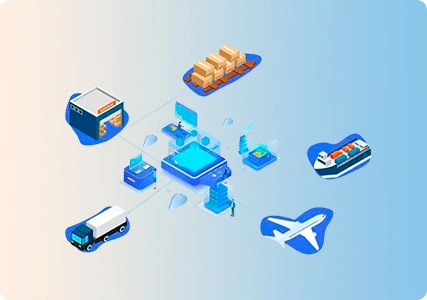
Coordinate air, sea, land, and last-mile delivery within one workflow
Track multi-leg shipments through unified milestones
Conclusion
Digital systems automate shipment workflows by transforming complex, multi-step logistics processes into structured, system-driven operations. Through workflow engines, AI data processing, and real-time collaboration, these systems eliminate inefficiencies and provide full visibility across the shipment lifecycle.
For logistics companies operating in increasingly complex global environments, workflow automation is a critical capability for improving efficiency, accuracy, and service quality.
Frequently Asked Questions
What is shipment workflow automation in logistics?
Shipment workflow automation refers to using digital systems to manage and execute the sequence of logistics tasks involved in handling shipments, reducing the need for manual coordination.
How do digital systems automate shipment workflows?
They use workflow engines, automated task assignment, AI data recognition, and milestone tracking to execute and monitor each step of the shipment process.
Why is workflow automation important in logistics?
It improves efficiency, reduces errors, ensures consistency, and provides real-time visibility into shipment operations.
What are the benefits of automated shipment workflows?
Benefits include faster operations, better accuracy, improved collaboration, enhanced visibility, and the ability to scale operations efficiently.
About WallTech
WallTech provides digital logistics solutions designed to streamline and automate shipment workflows for freight forwarders, 3PL providers, and cross-border eCommerce logistics companies. Its platforms enable end-to-end logistics collaboration by connecting multiple roles and stakeholders across the supply chain. With real-time shipment visibility through milestone-based tracking and integrated workflow and financial automation capabilities, including automated billing and reconciliation, WallTech helps logistics companies enhance operational efficiency and scalability in complex global logistics environments.
If you're exploring ways to improve your logistics operations, feel free to connect with us to learn more about our solutions and system capabilities.

.webp "How WMS Improves Inventory Visibility")