

Mar 20,2026
How Digital Systems Improve International Shipment Processing
Introduction
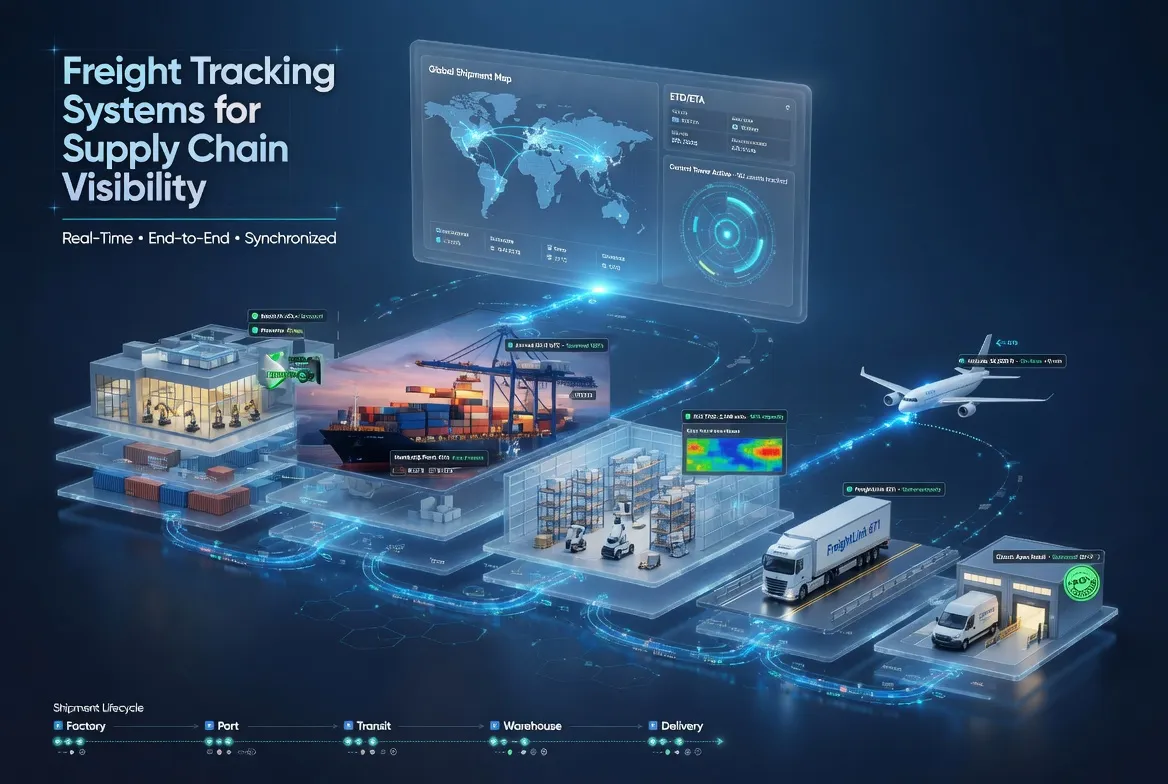
Logistics companies use shipment tracking software—such as logistics visibility platforms, freight management systems, and integrated supply chain SaaS solutions—to track shipments in real time. These tools provide end-to-end visibility across the shipment lifecycle by capturing milestone events, integrating with carriers, and presenting data through a unified timeline.
In modern logistics, where shipments move across multiple countries, carriers, and transport modes, tracking is no longer just about knowing location—it is about having accurate, timely, and actionable visibility. Without the right software, companies struggle with fragmented updates, delayed information, and limited control over operations.
What is Shipment Tracking Software in Logistics?
Shipment tracking software is a digital solution designed to monitor the status, location, and progress of shipments throughout the supply chain.
It typically includes:
Real-time tracking of shipment movements
Milestone-based updates (e.g., pickup, departure, customs clearance, delivery)
Integration with carrier systems and data sources
Centralized dashboards for visibility
Unlike basic tracking tools, modern logistics tracking platforms provide end-to-end visibility, combining data from multiple systems into a single interface.
These systems are widely used by:
Freight forwarders
3PL providers
Cross-border eCommerce logistics companies
Why Shipment Tracking Software Matters
Shipment tracking is critical for both operational efficiency and customer satisfaction.
However, many logistics companies still face challenges such as:
Tracking data scattered across multiple carrier websites
Lack of standardized tracking formats
Delayed updates due to manual input
Limited visibility into upstream and downstream processes
These issues can lead to:
Poor customer experience
Difficulty managing exceptions
Inefficient communication between stakeholders
Shipment tracking software addresses these problems by:
Providing real-time, centralized visibility
Enabling milestone-based tracking across the full journey
Supporting proactive exception management
Enhancing collaboration between internal teams and external partners
In competitive logistics markets, visibility is no longer optional—it is a key differentiator.
How Shipment Tracking Software Works
Shipment tracking software aggregates data from multiple sources and presents it in a structured, real-time view.
A typical process includes:
1. Data Integration
Connects with carriers, ports, airlines, and internal systems via API/EDI
Imports tracking data automatically
2. Milestone Standardization
Converts raw tracking events into standardized milestones
Examples: booking confirmed, departure, arrival, customs cleared, delivered
3. Real-Time Updates
Continuously updates shipment status as new data is received
Alerts users to delays or exceptions
4. Unified Timeline
Displays all shipment events in a chronological view
Provides a clear overview of the entire shipment lifecycle
5. Collaboration and Communication
Allows teams and partners to access the same tracking data
Reduces reliance on manual status updates
6. Automation and Alerts
Sends notifications for key events or exceptions
Triggers workflows based on shipment status
By structuring tracking data into a unified system, logistics companies gain better control and faster response capabilities.
Key Features of Shipment Tracking Software
1. End-to-End Visibility
Covers the full shipment journey from origin to destination
Tracks across multiple transport modes
2. Milestone-Based Tracking
Standardized tracking events for consistency
Clear progress tracking through defined stages
3. Multi-Source Data Integration
Aggregates data from carriers, terminals, and internal systems
Eliminates the need to check multiple platforms
4. Unified Shipment Timeline
Visual representation of shipment progress
Easy identification of delays and bottlenecks
5. Exception Management
Real-time alerts for delays, disruptions, or risks
Enables proactive issue resolution
6. Collaboration Enablement
Shared visibility across teams and partners
Improved coordination between upstream and downstream stakeholders
7. Automation Capabilities
Automated notifications and reporting
AI-driven data recognition for tracking updates
These features help logistics companies move from reactive tracking to proactive management.
Benefits for Logistics Companies
Improved Customer Experience
Provides accurate and timely shipment updates
Builds trust through transparency
Better Operational Control
Real-time visibility enables faster decision-making
Early detection of issues reduces disruptions
Increased Efficiency
Reduces time spent manually checking tracking data
Streamlines communication between teams
Enhanced Collaboration
Ensures all stakeholders work with the same data
Minimizes miscommunication and delays
Data-Driven Insights
Enables analysis of shipment performance
Supports continuous improvement
For logistics providers, effective tracking is a critical component of service quality and operational excellence.
Best Practices and Use Cases
Best Practices
Integrate all tracking data sources into a single platform
Standardize milestone definitions across operations
Automate alerts and notifications for key events
Enable shared visibility for customers and partners
Use tracking data for performance analysis
Use Cases
Freight Forwarders
Tracking multi-leg international shipments
Coordinating with overseas agents and carriers
3PL Providers
Providing visibility services to multiple clients
Monitoring large volumes of shipments simultaneously
Cross-border eCommerce Logistics
Managing high-frequency parcel shipments
Offering real-time tracking to end customers
In all these cases, shipment tracking software plays a central role in ensuring smooth and transparent operations.
Conclusion
Shipment tracking software is an essential tool for logistics companies seeking to manage complex global operations. By providing real-time, milestone-based visibility and integrating data from multiple sources, these systems enable better control, improved efficiency, and enhanced customer experience.
As logistics networks continue to grow in complexity, investing in advanced tracking solutions is key to maintaining competitiveness and delivering reliable service.
Frequently Asked Questions
What is shipment tracking software in logistics?
Shipment tracking software is a digital tool that monitors the status and location of shipments across the supply chain, providing real-time updates and visibility.
How does shipment tracking software work?
It integrates data from carriers and systems, standardizes tracking events into milestones, and displays them in a unified timeline for easy monitoring.
Why is shipment tracking important in logistics?
It improves transparency, enables proactive issue management, enhances customer experience, and supports efficient operations.
What are the benefits of shipment tracking software?
Key benefits include real-time visibility, improved coordination, reduced manual effort, faster response to issues, and better customer communication.
About WallTech
WallTech offers digital logistics solutions designed to enhance shipment visibility and operational efficiency for freight forwarders and logistics providers. Its platforms support end-to-end collaboration across multiple roles and partners, providing real-time tracking through milestone-based visibility and unified timelines. By integrating workflow automation and financial processes, WallTech helps logistics companies reduce manual work, improve accuracy, and scale their operations effectively in global environments.
If you're exploring ways to improve your logistics operations, feel free to connect with us to learn more about our solutions and system capabilities.