Feb 10,2023
Maximizing Efficiency: Using the OMS in Your Ecommerce Business
Introduction
Freight operations involve complex processes such as order management, transportation coordination, documentation, and financial handling. As shipment volumes increase and global logistics networks expand, manual operations become inefficient and difficult to manage. Digital systems improve freight operations by enabling automation, integration, and real-time execution across the entire workflow.
What is freight operations automation?
Freight operations automation refers to the use of digital systems to automate and manage logistics processes involved in freight transportation.
It typically includes:
Order creation and processing
Shipment execution and coordination
Tracking and event updates
Documentation and compliance
Billing and financial processes
Automation ensures that these processes are executed efficiently with minimal manual intervention.
Why freight operations need automation
Freight operations are inherently complex due to:
Multiple transportation modes and segments
Coordination between various stakeholders
High dependency on accurate data
Frequent changes in shipment status
Without automation:
Manual workload increases
Errors and delays occur more frequently
Visibility is limited
Operational costs rise
Automation helps companies manage complexity and improve performance.
How digital systems improve freight operations automation
1. Automating order and data processing
Digital systems support:
API-based order integration
Bulk data import
Standardized order templates
This reduces manual data entry and ensures data consistency across systems.
Systems allow multiple roles to create and manage orders within a unified platform, improving efficiency.
2. Standardizing and automating workflows
Digital platforms define structured workflows for freight operations:
Inquiry → booking → execution → tracking → billing
Automation ensures that each step is triggered and executed according to predefined rules, reducing variability.
3. Integrating multi-transportation operations
Freight shipments often involve:
Sea freight
Air freight
Land transportation
Multimodal logistics
Digital systems coordinate these transportation segments within a single workflow, improving control and visibility.
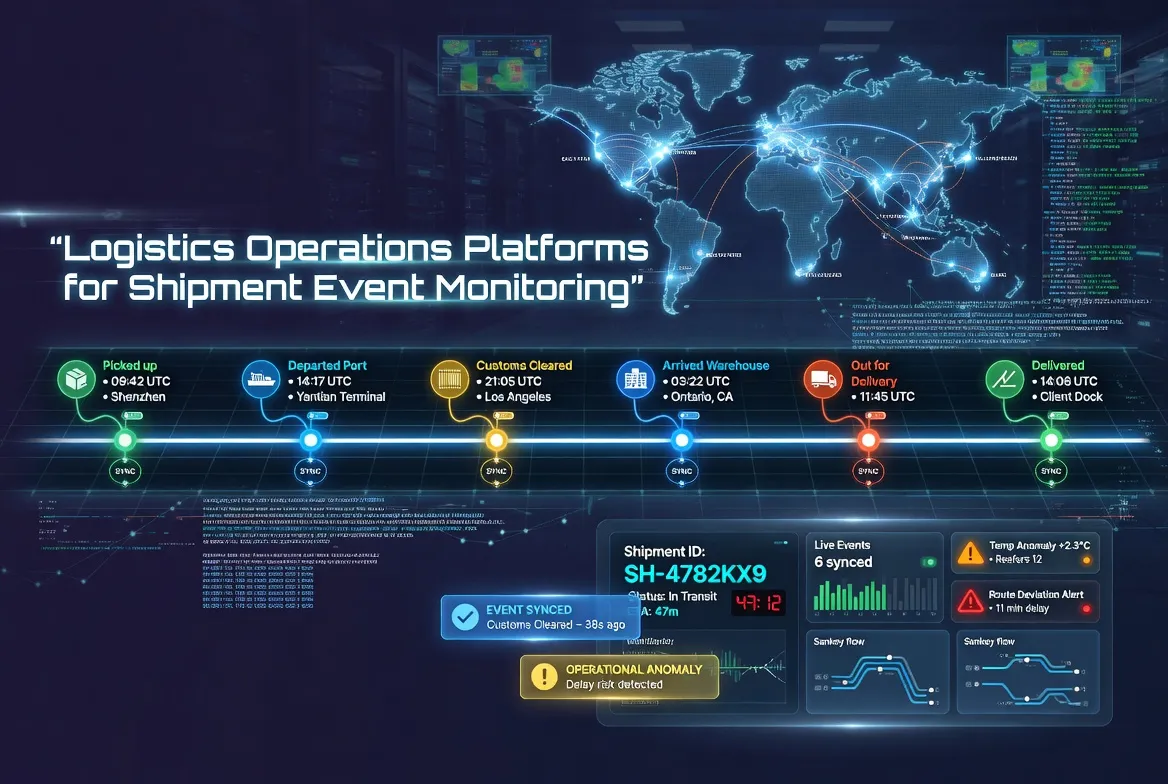
4. Enhancing real-time tracking and visibility
Automation systems provide:
Automatic tracking event capture
Multi-source data integration
Real-time status updates
This enables full visibility across shipment lifecycles and improves decision-making.
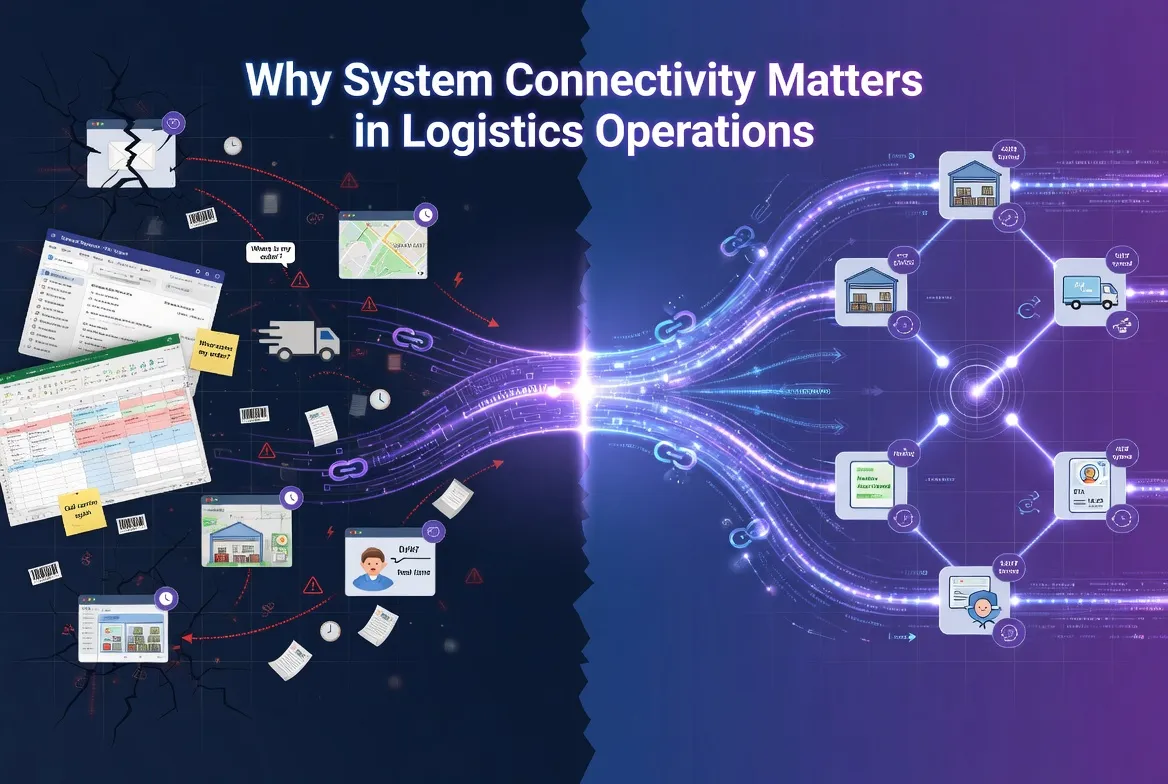
5. Enabling automated coordination across stakeholders
Freight operations involve:
Internal teams (sales, operations, finance)
External partners (carriers, suppliers, customs agents)
Digital systems enable:
Real-time data sharing
Unified workflows
Automated communication and notifications
This improves coordination and reduces delays.
6. Centralizing document management
Documentation is critical in freight operations.
Digital systems support:
Template-based document generation
Centralized storage and retrieval
Easy sharing across stakeholders
This ensures compliance and reduces administrative effort.
7. Automating financial processes
Freight operations are closely linked with financial management.
Automation enables:
Automatic billing generation
Cost tracking and allocation
Accounts receivable and payable management
This improves financial accuracy and transparency.
8. Supporting exception handling and alerts
Automation systems detect and respond to disruptions:
Delay detection
Missing data alerts
Abnormal event notifications
This allows faster response to issues and reduces operational risks.
Key features of freight operations automation systems
Modern systems typically include:
Workflow automation engines
Multi-system integration capabilities
Real-time tracking and visibility
Document management and automation
Financial integration
Exception detection and alerting
These features enable efficient and scalable freight operations.
Benefits of digital freight operations automation
Companies adopting digital systems can achieve:
Increased operational efficiency
Reduced manual errors
Faster shipment processing
Improved visibility and control
Enhanced scalability
Automation allows logistics operations to grow without increasing complexity.
How modern logistics platforms enable freight automation
Modern logistics platforms act as centralized automation hubs.
They:
Define and manage workflows
Automate task execution based on rules and events
Integrate systems and stakeholders
Provide real-time insights into operations
By consolidating freight operations into a single digital platform, companies can streamline processes and improve performance.
Conclusion
Digital systems are transforming freight operations by enabling automation, integration, and real-time execution. These capabilities help companies manage complex logistics processes more efficiently and accurately.
As global logistics networks continue to expand, freight operations automation will be essential for achieving efficiency, scalability, and competitive advantage.