
May 07,2026
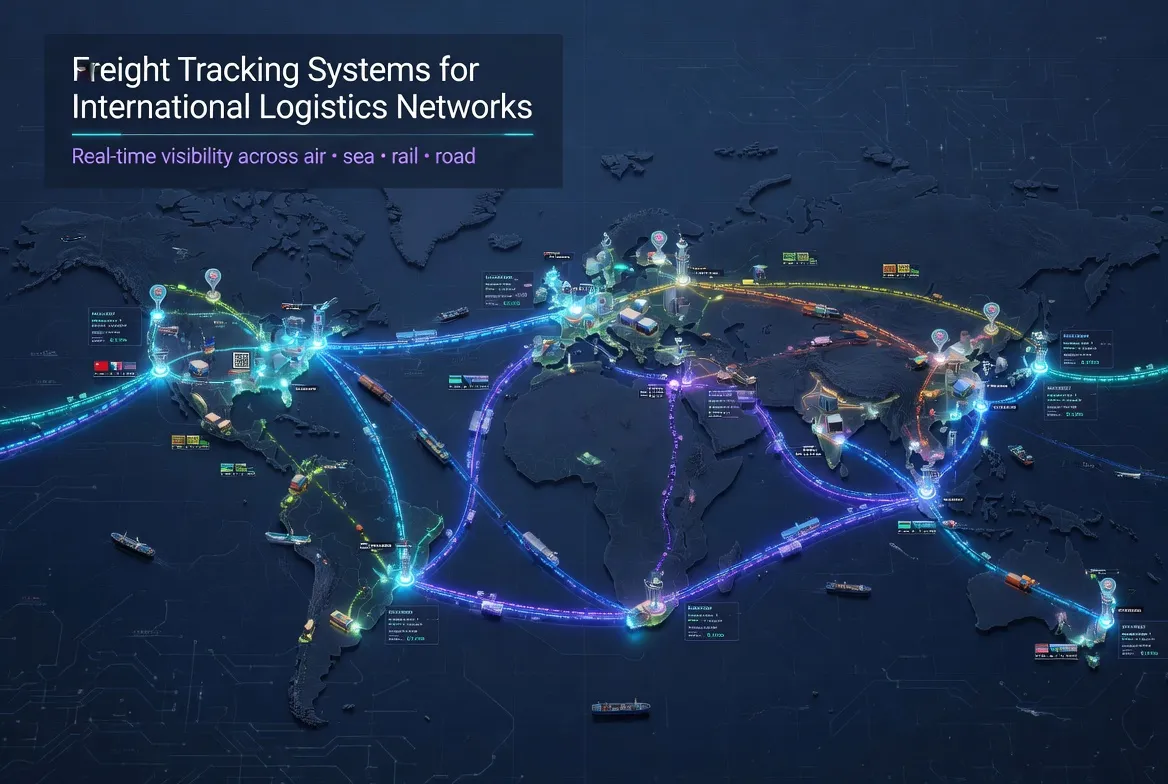
Freight Tracking Systems for International Logistics Networks
Introduction
Shipment processing involves multiple steps, from order creation to delivery and billing. Managing these steps manually can lead to inefficiencies, errors, and delays. Shipment process automation platforms are designed to streamline these workflows by automating tasks, integrating systems, and enabling real-time execution across logistics operations.
What are shipment process automation platforms?
Shipment process automation platforms are digital systems that automate and manage the lifecycle of shipments across logistics networks.
They typically cover:
Order creation and validation
Shipment execution and coordination
Tracking and status updates
Documentation and compliance
Financial processing and billing
These platforms act as centralized engines that orchestrate shipment workflows automatically.
Why shipment process automation is important
Shipment processing is inherently complex due to:
Multiple operational steps
Coordination between different teams and partners
High volumes of transactions
Dependency on accurate data and timing
Without automation:
Manual work increases
Errors become more frequent
Processes slow down
Visibility is limited
Automation improves efficiency, accuracy, and scalability.
Key features of shipment process automation platforms
1. Automated order creation and data integration
Platforms support multiple ways to create and manage shipment orders:
API integration with upstream systems
Bulk order import
Manual input with standardized templates
Automation ensures data consistency and reduces manual effort.
2. Workflow automation and rule-based execution
A core feature is the ability to define workflows and automate task execution.
Examples:
Automatically assign shipment tasks based on rules
Trigger next steps when milestones are reached
Standardize operational processes across shipments
This ensures consistent execution and reduces human intervention.
3. Multi-transportation coordination
Shipment automation platforms manage different transportation modes within one workflow:
Sea freight
Air freight
Land transportation
Express delivery
They track and coordinate multiple segments of a shipment seamlessly.
4. Real-time tracking and visibility
Platforms provide real-time updates across shipment stages:
Automatic tracking event capture
Multi-source tracking integration
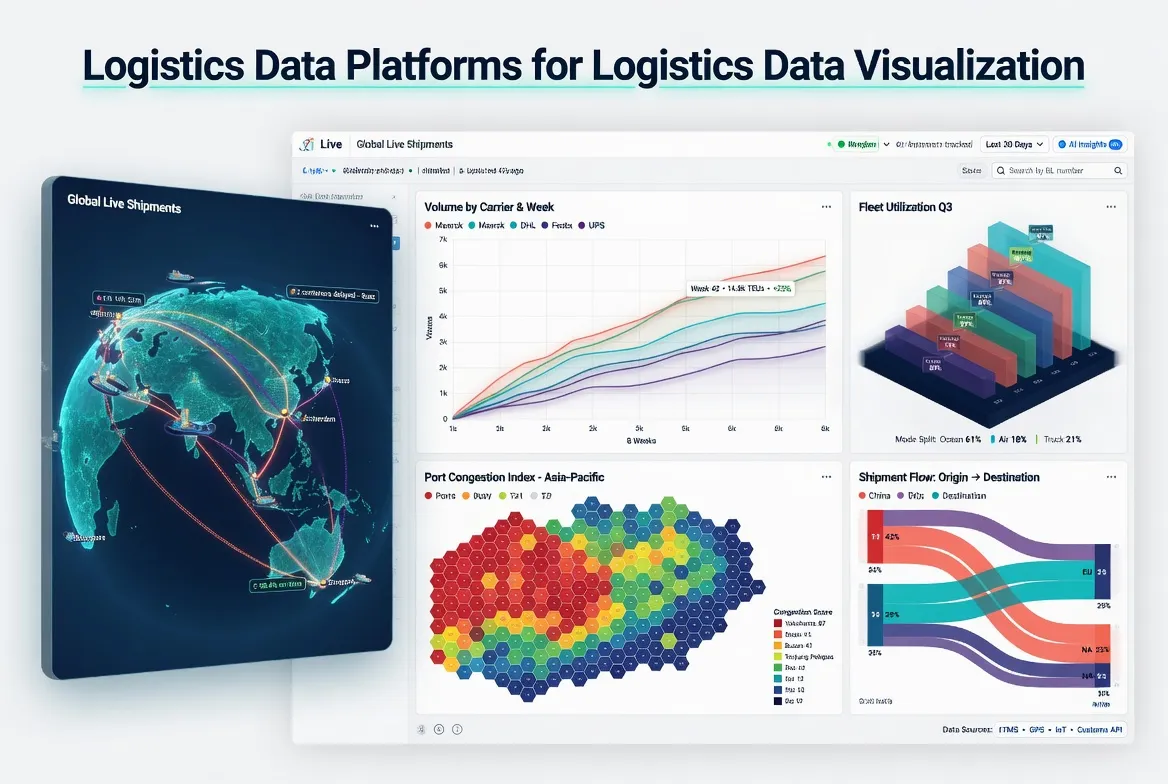
Unified visibility dashboards
This ensures that all stakeholders have access to up-to-date shipment information.
5. Centralized document management
Shipment processing requires extensive documentation.
Automation platforms enable:
Template-based document generation
Centralized storage and access
Easy sharing across teams and partners
This improves compliance and reduces administrative workload.
6. Exception management and alerts
Automation platforms detect and handle disruptions:
Configurable alert rules for delays or abnormalities
Automatic notifications to relevant stakeholders
Escalation workflows for issue resolution
This allows faster response to operational risks.
7. Multi-role collaboration support
Shipment processes involve multiple participants:
Sales teams
Operations teams
External partners
Platforms allow all roles to collaborate within a single shipment workflow, ensuring data consistency and coordination.
8. Financial and billing automation
Shipment automation platforms integrate financial processes:
Automatic billing generation
Accounts receivable and payable management
Cost tracking and profit analysis
This connects operational execution with financial performance.
9. Integration with external systems
Automation platforms connect with:
ERP systems
Warehouse management systems
Carrier and tracking systems
Customs and compliance systems
This ensures seamless data flow across the logistics ecosystem.
Benefits of shipment process automation platforms
Companies using these platforms can achieve:
Faster and more efficient shipment processing
Reduced manual workload and errors
Improved operational consistency
Enhanced visibility and control
Better scalability for growing operations
Automation enables logistics teams to focus on higher-value activities.
How modern logistics platforms enable shipment automation
Modern logistics platforms serve as automation hubs.
They:
Define and manage shipment workflows
Automate tasks based on rules and events
Integrate systems and partners into unified processes
Provide real-time insights into shipment status
By centralizing and automating shipment processes, these platforms improve efficiency and operational performance.
Conclusion
Shipment process automation platforms are essential for modern logistics operations. By automating workflows, integrating systems, and enabling real-time execution, they help companies manage complexity and scale efficiently.
As logistics continues to evolve, automation platforms will play a key role in driving faster, more reliable, and more efficient shipment processing.
.webp "Application of Integrated Logistics Management System in Southeast Asia")