Apr 20,2026
How AI Improves Logistics Rate Management
Introduction
Reactive and proactive logistics management systems differ in how they handle shipment operations and disruptions. Reactive systems respond to issues only after they occur, often relying on manual processes and delayed information. In contrast, proactive systems use real-time data, automation, and predictive insights to identify risks early and take action before problems escalate.
In modern logistics—especially for freight forwarders, 3PLs, and cross-border eCommerce operators—the shift from reactive to proactive management is critical. As supply chains become more complex and customer expectations increase, relying on reactive processes leads to inefficiencies, delays, and service failures.
What is Reactive vs Proactive Logistics Management
Reactive Logistics Management
Reactive logistics management focuses on responding to issues after they have already impacted operations.
Characteristics include:
Manual tracking of shipments
Issue detection based on customer complaints or delays
Fragmented communication via email or phone
Lack of real-time visibility
Unstructured problem-solving processes
In reactive environments, teams spend most of their time firefighting rather than optimizing operations.
Proactive Logistics Management
Proactive logistics management focuses on anticipating and preventing issues before they occur.
Characteristics include:
Real-time shipment monitoring
Automated alerts for potential risks
Milestone-based tracking and exception detection
Workflow automation for issue resolution
Data-driven decision-making
Proactive systems enable logistics companies to maintain control and reduce disruptions across the supply chain.
Why the Difference Matters
1. Operational Efficiency
Reactive systems require constant manual effort, while proactive systems automate monitoring and response processes.
2. Response Speed
Reactive approaches result in delayed responses. Proactive systems enable immediate action through real-time alerts.
3. Risk Management
Reactive systems address problems after damage occurs. Proactive systems reduce risk by detecting issues early.
4. Customer Experience
Reactive communication leads to dissatisfaction. Proactive updates improve transparency and trust.
5. Scalability
Reactive operations struggle to handle growth. Proactive systems support scalable, efficient operations.
How Reactive and Proactive Systems Work
Reactive Systems Workflow
Shipment data is tracked manually or across fragmented systems
Issues are identified after delays or disruptions occur
Teams communicate via emails or calls to resolve problems
Actions are taken without standardized workflows
Limited visibility and documentation of outcomes
This approach is time-consuming and prone to errors.
Proactive Systems Workflow
Data is integrated from multiple sources into a centralized platform
Shipments are tracked using milestone-based monitoring
Automated systems detect deviations or risks in real time
Alerts are triggered and sent to relevant stakeholders
Workflow automation assigns tasks and manages resolution
All actions are tracked within a unified system
This structured approach ensures faster and more consistent operations.
Key Features / Key Capabilities
Reactive Systems
Limited or delayed shipment visibility
Manual tracking and monitoring
Fragmented communication channels
Lack of standardized workflows
Minimal automation
Proactive Systems
End-to-end visibility
Real-time tracking across all shipment stages within a unified timelineMilestone-based tracking
Structured monitoring of shipment progressAutomated alerts and exception detection
Immediate identification of risks and disruptionsWorkflow automation
Standardized processes for issue resolutionMulti-role collaboration
Seamless coordination between internal teams and external partnersAI-powered data recognition
Automated extraction and validation of shipment dataIntegrated financial automation
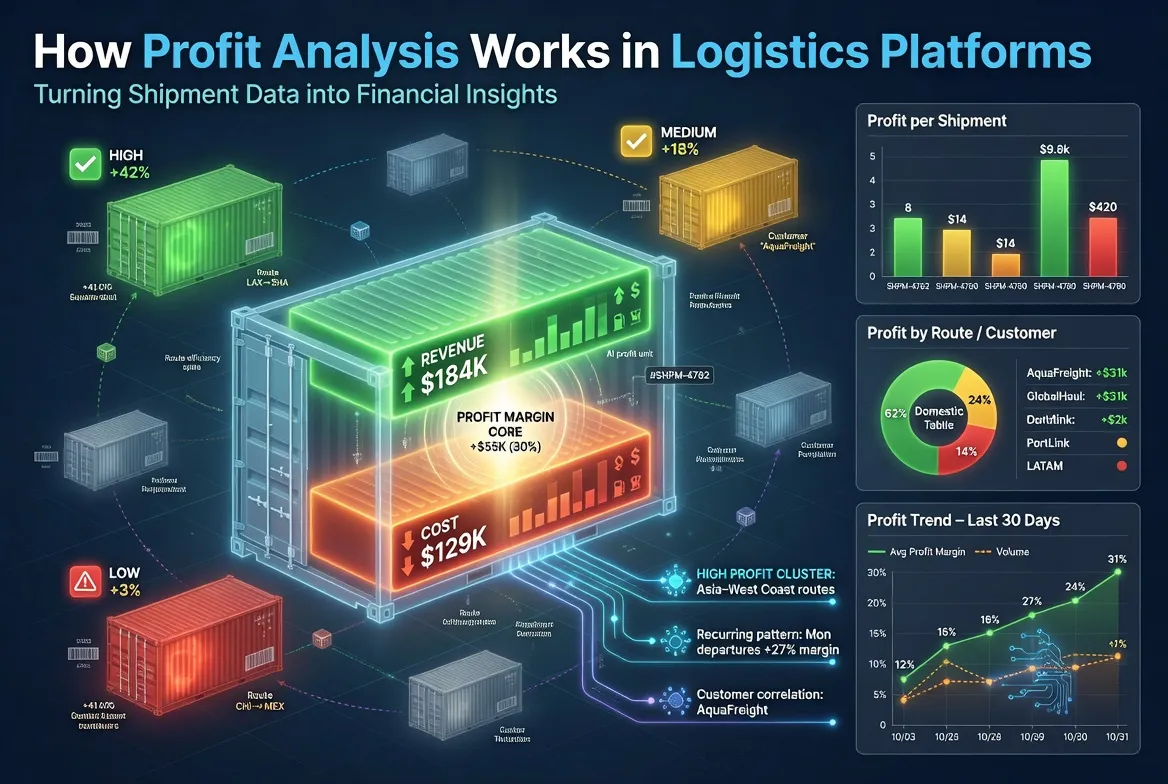
Billing, reconciliation, and profitability tracking
These capabilities enable proactive systems to manage logistics operations more effectively.
Benefits for Logistics Companies
Increased Efficiency
Automation reduces manual workload and improves process consistency.
Faster Decision-Making
Real-time data and alerts enable quick and informed decisions.
Improved Risk Control
Early detection minimizes the impact of disruptions.
Enhanced Customer Satisfaction
Proactive communication improves transparency and service quality.
Better Scalability
Proactive systems support growth without increasing operational complexity.
Best Practices / Use Cases
Transition from Manual to Digital Systems
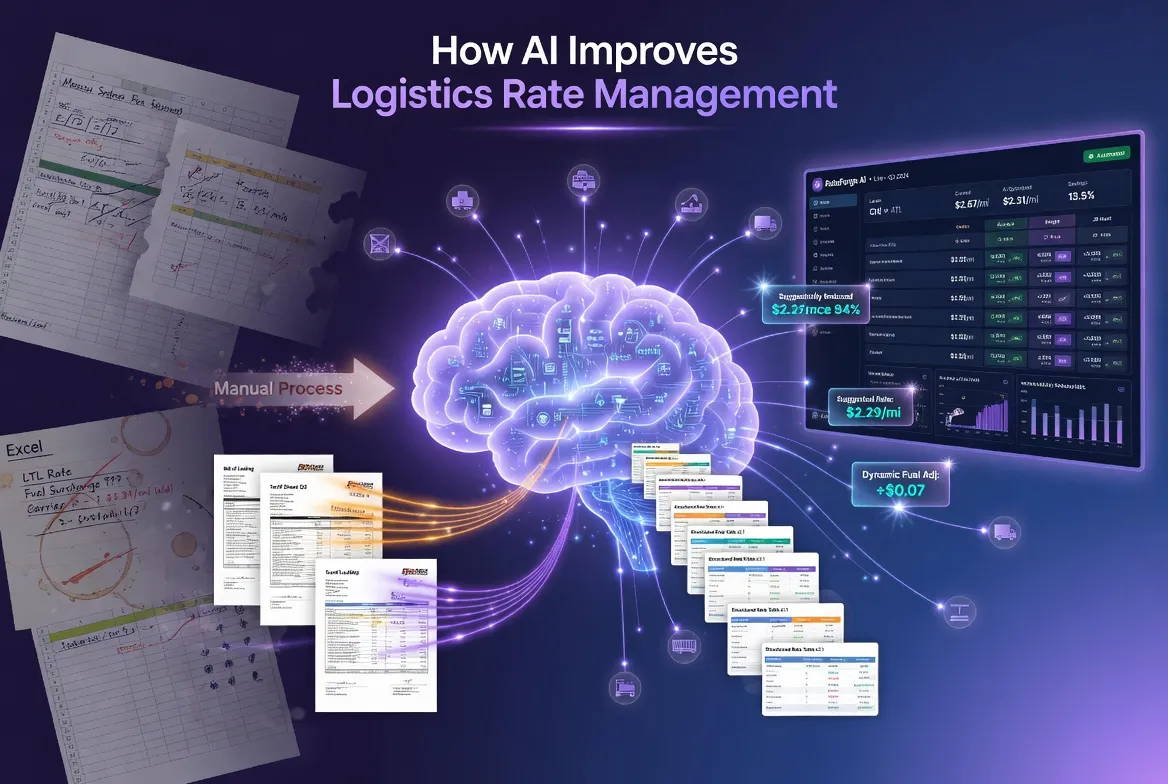
Replace spreadsheets and emails with integrated logistics platforms.
Implement Milestone-Based Tracking
Define clear shipment stages for consistent monitoring.
Automate Alerts and Workflows
Ensure that risks are detected and addressed automatically.
Enable Cross-Team Collaboration
Provide a shared platform for all stakeholders.
Use Data for Continuous Improvement
Analyze operational data to identify trends and optimize processes.
Common use cases include:
Transitioning freight forwarding operations from manual tracking to digital platforms
Managing high-volume cross-border eCommerce shipments
Improving SLA compliance for key clients
Reducing delays and operational inefficiencies
Conclusion
The difference between reactive and proactive logistics management systems is a defining factor in operational performance. While reactive systems struggle with delays and inefficiencies, proactive systems enable real-time control, faster response, and improved service quality.
As logistics operations continue to grow in complexity, adopting proactive management systems is essential for maintaining competitiveness and delivering consistent, high-quality service.
Frequently Asked Questions
What is reactive logistics management?
Reactive logistics management involves responding to issues only after they occur, often relying on manual processes and delayed information.
What is proactive logistics management?
Proactive logistics management uses real-time data, automation, and alerts to identify and address issues before they impact operations.
Why is proactive logistics management important?
It improves efficiency, reduces risks, enhances customer satisfaction, and supports scalable operations.
How can companies transition to proactive systems?
By implementing digital logistics platforms with real-time visibility, automation, and integrated workflows.
What are the benefits of proactive logistics systems?
They enable faster response, better visibility, improved risk control, and more efficient operations.
About WallTech
WallTech provides digital logistics solutions designed to help freight forwarders, 3PLs, and cross-border logistics operators transition from reactive to proactive management. Its platforms enable end-to-end logistics collaboration across multiple roles and partners, offering real-time shipment visibility through milestone-based tracking and unified timelines. By integrating workflow automation, AI-driven data recognition, and financial automation such as billing and reconciliation, WallTech helps logistics companies improve operational efficiency, reduce risks, and scale their business with greater control.
If you're exploring ways to improve your logistics operations, feel free to connect with us to learn more about our solutions and system capabilities.