Jan 27,2026
Cargo Software for Powering Global Freight and Supply Chains
Introduction
Modern freight forwarding software is designed to manage the full lifecycle of logistics operations, including shipment execution, documentation, tracking, collaboration, and financial processes within a centralized digital platform. It replaces manual workflows and fragmented tools with integrated, automated systems that provide real-time visibility and operational control.
As global logistics becomes more complex, freight forwarders rely on advanced software capabilities to improve efficiency, reduce errors, and scale operations effectively.
What is Modern Freight Forwarding Software
Modern freight forwarding software is a specialized digital system that supports the operational and financial activities of freight forwarders across international supply chains.
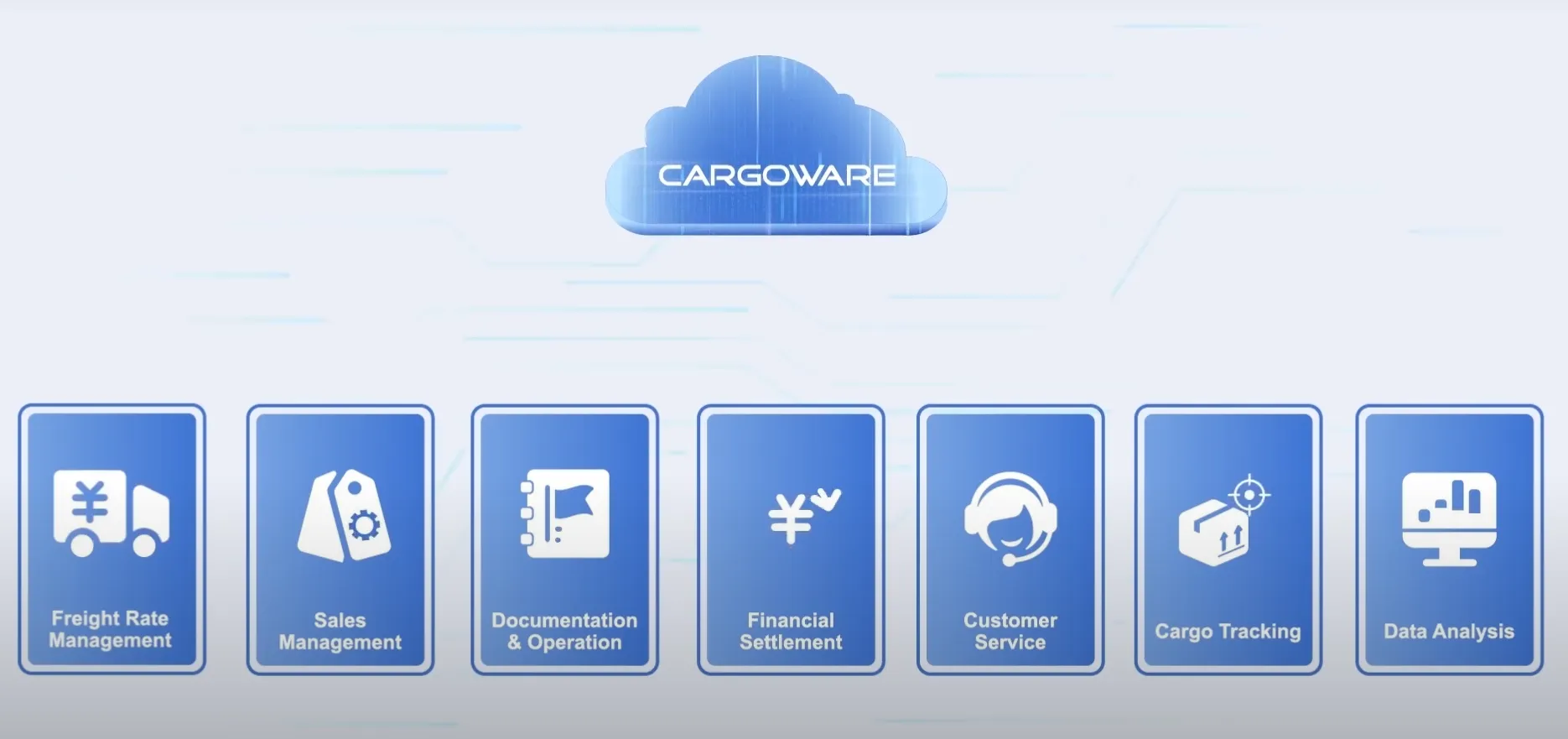
It typically includes:
Shipment management across ocean, air, and land transport
Documentation handling and compliance support
Multi-carrier coordination
Real-time tracking and milestone management
Billing, cost control, and financial reconciliation
Unlike legacy systems or spreadsheets, modern software platforms are built with:
Cloud-based architecture
API-driven integration capabilities
Automation and AI features
Multi-user and multi-role collaboration
These systems serve as the operational backbone for freight forwarding companies.
Why Modern Freight Forwarding Software Matters
Freight forwarding operations involve multiple stakeholders, processes, and data points. Without modern software, companies often encounter:
Data silos across departments and systems
Manual data entry and document processing
Limited visibility into shipment progress
Inefficient coordination between teams and partners
Delayed billing and financial inaccuracies
Modern freight forwarding software addresses these challenges by providing a unified, automated environment.
It matters because it enables:
1. Process Standardization
Ensures consistent execution of workflows across all shipments.
2. Real-Time Visibility
Provides a clear view of shipment status and progress at every stage.
3. Seamless Collaboration
Connects internal teams and external partners within a shared system.
4. Operational Scalability
Supports growing shipment volumes without increasing complexity.
How Modern Freight Forwarding Software Works
Modern freight forwarding software operates as a centralized platform that integrates all logistics processes into a structured workflow.
1. Shipment Creation and Data Integration
Shipments are created through:
Manual entry
Batch upload
API integration with external systems
This ensures consistent and accurate data input.
2. Workflow Automation
The system defines standardized workflows for different shipment types.
Tasks are automatically assigned to relevant roles:
Sales
Operations
Documentation
Finance
3. Multi-Role Collaboration
All stakeholders work within the same platform, sharing data and updates in real time.
This improves upstream and downstream coordination.
4. Milestone-Based Tracking
Shipments are tracked through predefined milestones, such as:
Booking confirmed
Cargo received
Departure
Arrival
Customs clearance
Delivery
All events are recorded in a unified timeline.
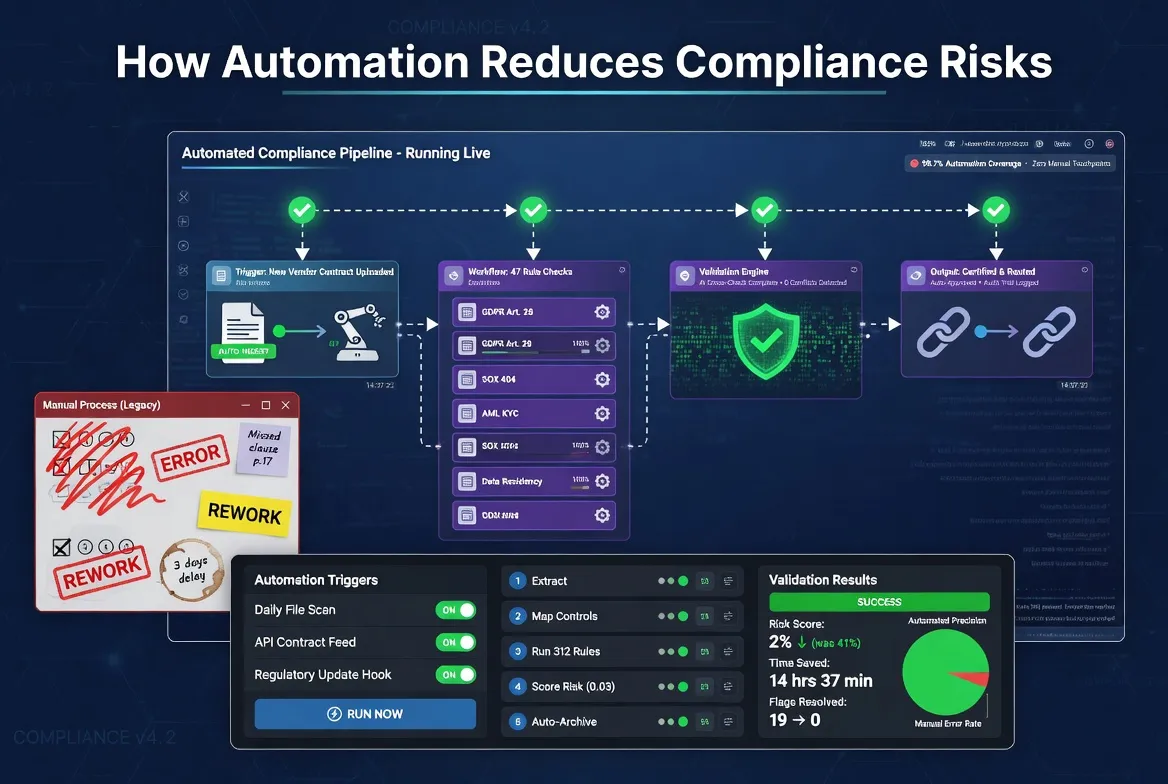
5. Documentation and Compliance
The system supports document generation, storage, and management.
AI-powered OCR can extract data from documents to reduce manual input.
6. Financial Integration
Operational data is linked to financial processes:
Costs and revenues are captured automatically
Billing is triggered based on predefined rules
Reconciliation processes are automated
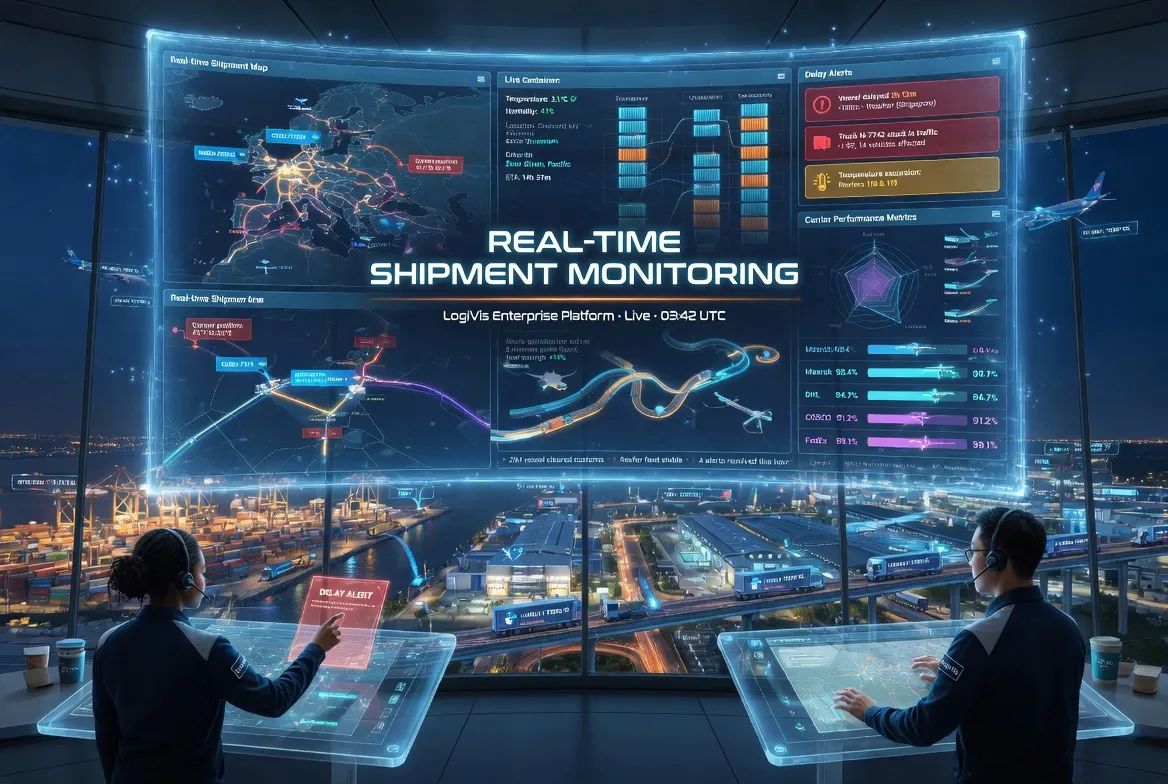
7. Real-Time Monitoring and Alerts
The system provides dashboards and alerts to monitor shipment status and identify exceptions.
Key Features / Key Capabilities
Modern freight forwarding software includes several critical features:
1. End-to-End Shipment Visibility
Real-time tracking across all transport stages
Milestone-based updates
Unified shipment timeline
2. Multi-Role Collaboration
Centralized platform for all departments
Seamless coordination between internal teams and external partners
Reduced reliance on manual communication
3. Workflow Automation
Automated task assignment
Standardized operating procedures
Reduced manual workload
4. AI-Driven Data Processing
OCR-based document recognition
Automated data extraction
Improved data accuracy
5. Integrated Financial Management
Automated billing and invoicing
Cost-revenue tracking at the shipment level
Automated reconciliation
6. Multi-Carrier Management
Integration with ocean, air, and land carriers
Centralized management of carrier bookings
Optimized transport planning
7. System Integration
API connectivity with ERP, WMS, and external platforms
Real-time data synchronization
Elimination of data silos
8. Exception Management
Automated alerts for delays or missing milestones
Proactive issue resolution
Improved operational control
Benefits for Logistics Companies
Modern freight forwarding software provides significant advantages:
Improved Efficiency
Faster processing of shipments
Reduced manual tasks
Streamlined workflows
Enhanced Visibility
Real-time tracking of shipment progress
Better control over operations
Improved transparency for customers
Stronger Collaboration
Seamless coordination across teams and partners
Reduced communication gaps
Improved workflow alignment
Better Financial Control
Accurate billing and cost tracking
Faster invoicing cycles
Reduced financial discrepancies
Scalability
Ability to handle higher shipment volumes
Flexible system configuration
Support for global expansion
Best Practices / Use Cases
1. Managing Multi-Modal Shipments
Freight forwarders can coordinate ocean, air, and land transport within a single system.
2. Coordinating Global Teams
Shared workflows enable efficient collaboration between origin and destination offices.
3. Automating High-Volume Operations
Automation reduces manual effort and improves processing speed.
4. Improving Customer Transparency
Providing real-time tracking enhances customer experience.
Best Practices
Standardize workflows across all operations
Use milestone tracking for performance monitoring
Automate document processing and financial workflows
Integrate systems to ensure seamless data flow
Conclusion
Modern freight forwarding software is essential for managing the complexity of global logistics operations. By combining visibility, automation, and collaboration within a unified platform, it enables freight forwarders to operate more efficiently, reduce errors, and scale their business.
As logistics continues to evolve, adopting modern software solutions is key to maintaining competitiveness and delivering high-quality service.
Frequently Asked Questions
What is freight forwarding software?
It is a digital system that manages shipment operations, documentation, tracking, and financial processes for freight forwarders.
How does modern freight forwarding software work?
It centralizes workflows, automates tasks, enables real-time tracking, and integrates financial processes with operations.
Why is freight forwarding software important?
It improves efficiency, enhances visibility, reduces errors, and supports scalable logistics operations.
What are the key features of modern freight forwarding software?
Key features include end-to-end visibility, workflow automation, multi-role collaboration, financial integration, and system connectivity.
About WallTech
WallTech provides digital logistics solutions designed to support freight forwarders, 3PL providers, and cross-border eCommerce logistics companies. Its systems enable end-to-end logistics collaboration across multiple roles and partners, ensuring seamless coordination throughout the shipment lifecycle. With real-time shipment visibility based on milestone tracking and unified timelines, companies can maintain full control over operations. In addition, workflow automation, AI-powered data recognition, and integrated financial processes help reduce manual workload and improve operational efficiency at scale.
If you're exploring ways to improve your logistics operations, feel free to connect with us to learn more about our solutions and system capabilities.
.webp "WMS vs Traditional Warehouse Operations")