Jun 15,2022
eTower-A Cross Border Logistics Software Development Company
Introduction
Companies track international shipments in real time by integrating data from multiple carriers, logistics partners, and transport systems into a centralized digital platform that provides continuous updates on shipment location, status, and key milestones. This is achieved through technologies such as API integrations, IoT devices, GPS tracking, and event-driven data capture, all consolidated into a unified visibility system.
In global logistics, where shipments move across borders, carriers, and transport modes, real-time tracking is no longer optional. It is essential for managing complexity, reducing uncertainty, and ensuring operational efficiency.
What is Real-Time Shipment Tracking?
Real-time shipment tracking refers to the ability to monitor the location, status, and progress of goods throughout the entire transportation lifecycle—from origin to final delivery.
Unlike traditional tracking, which relies on periodic updates, real-time tracking provides:
Continuous or near real-time data updates
Visibility across multiple transport modes (sea, air, rail, trucking)
Event-based tracking (departure, arrival, customs clearance, delivery)
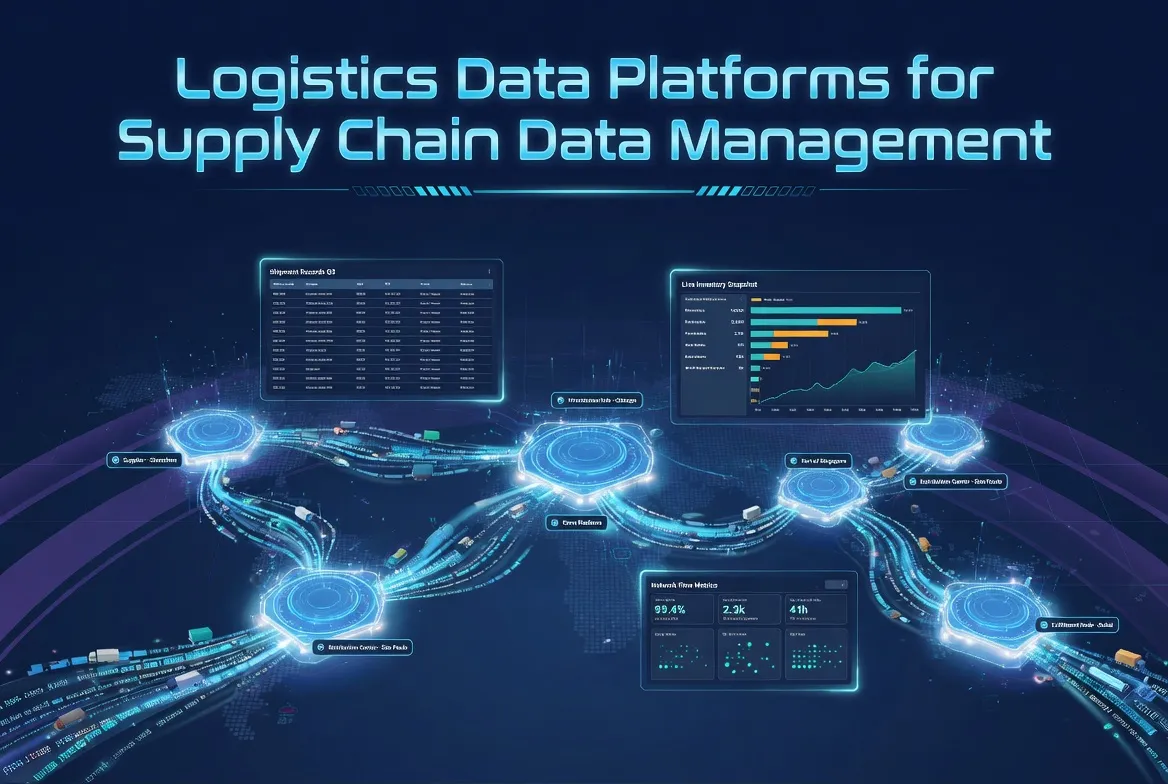
In modern logistics environments, this tracking is typically centralized within a digital logistics platform that aggregates data from various sources into a single interface.
Why Real-Time Tracking Matters
International logistics operations are inherently fragmented. Shipments often pass through multiple carriers, customs authorities, warehouses, and partners. Without real-time tracking, companies face significant operational challenges.
Key reasons why real-time tracking is critical include:
Lack of visibility: Without unified tracking, teams rely on emails, spreadsheets, and manual updates
Delayed issue detection: Exceptions such as delays or customs holds are discovered too late
Poor customer communication: Clients demand accurate and timely shipment updates
Inefficient collaboration: Disconnected stakeholders operate with inconsistent information
Real-time tracking addresses these issues by providing a single source of truth for all shipment-related data.
How Real-Time Shipment Tracking Works
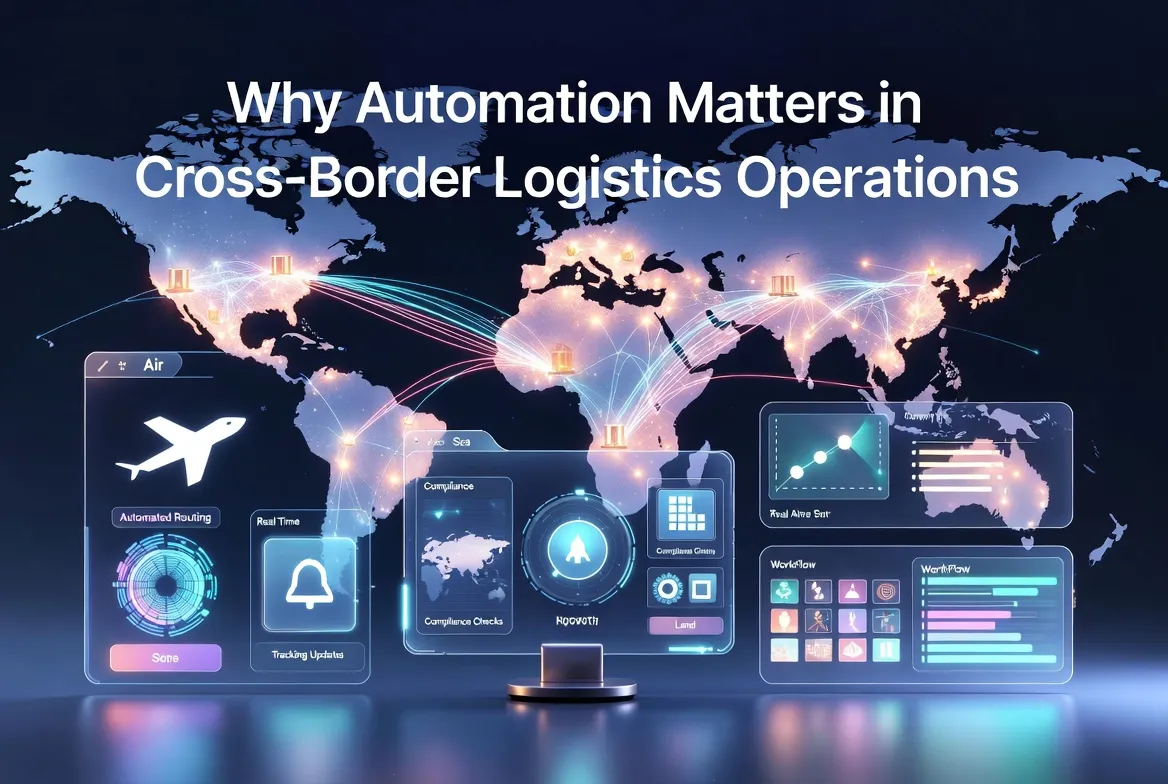
Real-time shipment tracking is powered by a combination of data integration, event capture, and system automation.
1. Data Integration from Multiple Sources
Logistics platforms connect with:
Ocean carriers and airlines
Trucking providers and last-mile carriers
Port and terminal systems
Customs and regulatory systems
This is typically achieved through APIs, EDI connections, or data feeds.
2. Event-Based Tracking
Instead of relying only on location data, systems capture key logistics events such as:
Booking confirmation
Container loading and departure
Port arrival and discharge
Customs clearance
Final delivery
Each event updates the shipment status in real time.
3. GPS and IoT Tracking (Where Applicable)
For certain shipments, especially high-value or time-sensitive cargo, IoT devices provide:
Real-time GPS location
Temperature and humidity monitoring
Shock and movement detection
4. Centralized Visibility Platform
All data is aggregated into a unified system that provides:
End-to-end tracking across the supply chain
A milestone-based timeline view
Role-based access for different stakeholders
This enables multi-role collaboration across operations, customer service, and partners.
5. Automated Data Processing
Advanced systems use AI-driven data recognition to:
Standardize data from different carriers
Automatically match tracking events to shipments
Trigger alerts for delays or exceptions
Key Features of Real-Time Tracking Systems
Modern logistics tracking platforms typically include the following capabilities:
End-to-end visibility: Track shipments from origin to destination across all modes
Milestone-based tracking: Monitor progress through predefined logistics milestones
Unified timeline view: Consolidate all events into a single chronological interface
Multi-carrier integration: Connect with multiple logistics providers globally
Exception alerts: Notify users of delays, disruptions, or anomalies
Collaboration tools: Enable communication across internal teams and external partners
Automated workflows: Trigger actions based on shipment status (e.g., document preparation, invoicing)
These features are designed to eliminate data silos and improve operational coordination.
Benefits for Logistics Companies
Real-time shipment tracking delivers measurable value for freight forwarders, 3PLs, and cross-border logistics providers.
Operational Efficiency
Reduce manual tracking efforts
Minimize reliance on emails and phone calls
Automate routine monitoring tasks
Improved Customer Experience
Provide accurate, real-time updates to customers
Increase transparency and trust
Reduce inquiry volumes
Better Risk Management
Identify delays and disruptions early
Proactively manage exceptions
Improve on-time delivery performance
Enhanced Collaboration
Align internal teams (sales, operations, finance)
Connect upstream suppliers and downstream partners
Ensure all stakeholders work with consistent data
Best Practices / Use Cases
To maximize the value of real-time tracking, logistics companies should adopt the following best practices:
1. Centralize Tracking Data
Avoid using multiple disconnected systems. Instead, implement a unified platform that consolidates all shipment data into a single interface.
2. Standardize Milestones
Define consistent tracking milestones across all shipments to ensure clarity and comparability.
3. Enable Multi-Role Access
Provide different stakeholders (customers, agents, internal teams) with appropriate access to tracking data to improve collaboration.
4. Automate Exception Handling
Set up automated alerts and workflows to respond to delays, customs issues, or route changes.
5. Integrate with Upstream and Downstream Systems
Connect tracking systems with:
Order management systems (OMS)
Warehouse management systems (WMS)
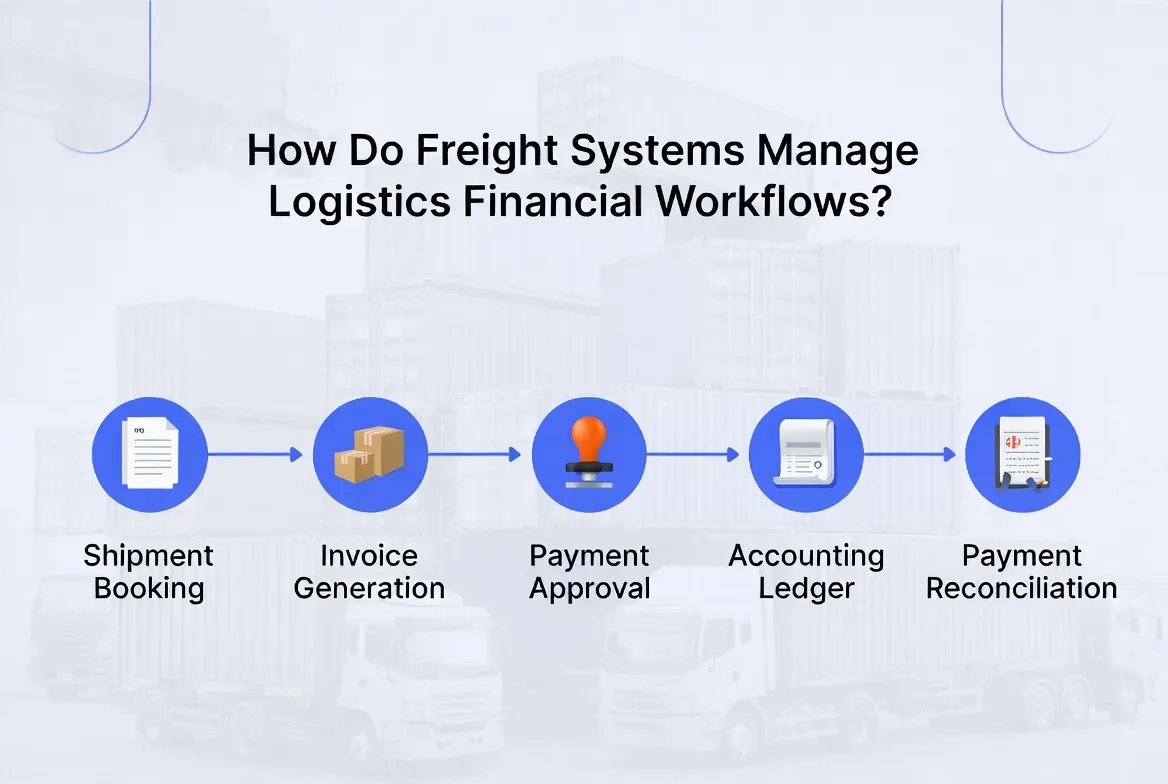
Financial systems for billing and reconciliation
Example Use Case
A freight forwarder managing shipments from China to Europe can use real-time tracking to:
Monitor container movement across ports and vessels
Track customs clearance status in destination countries
Automatically notify customers of delays
Trigger invoicing once delivery milestones are completed
Conclusion
Real-time shipment tracking has become a foundational capability in global logistics. By integrating data from multiple sources and presenting it in a unified, milestone-driven format, companies can achieve full visibility across complex supply chains.
As logistics networks continue to expand and customer expectations rise, the ability to track shipments in real time is essential for maintaining efficiency, transparency, and competitiveness.
Frequently Asked Questions
What is real-time shipment tracking in logistics?
Real-time shipment tracking is the ability to monitor the location and status of goods continuously throughout the transportation process using integrated digital systems and data sources.
How does real-time tracking work?
It works by collecting data from carriers, IoT devices, and logistics systems, then consolidating it into a centralized platform that updates shipment status based on real-time events.
Why is real-time tracking important?
It improves visibility, enables proactive issue management, enhances customer communication, and increases operational efficiency.
What are the benefits of real-time shipment tracking?
Key benefits include reduced manual work, improved delivery performance, better collaboration, and enhanced customer satisfaction.
About WallTech
WallTech is a digital logistics solution provider focused on enabling end-to-end collaboration and visibility across global supply chains. Its platforms are designed to connect multiple stakeholders, including freight forwarders, carriers, and partners, through a unified system that supports real-time shipment tracking and milestone-based visibility. By combining workflow automation, AI-driven data processing, and integrated financial capabilities such as automated billing and reconciliation, WallTech helps logistics companies streamline operations and scale efficiently in complex international environments.
If you're exploring ways to improve your logistics operations, feel free to connect with us to learn more about our solutions and system capabilities.