May 08,2026
Logistics Operations Platforms for Global Logistics Coordination
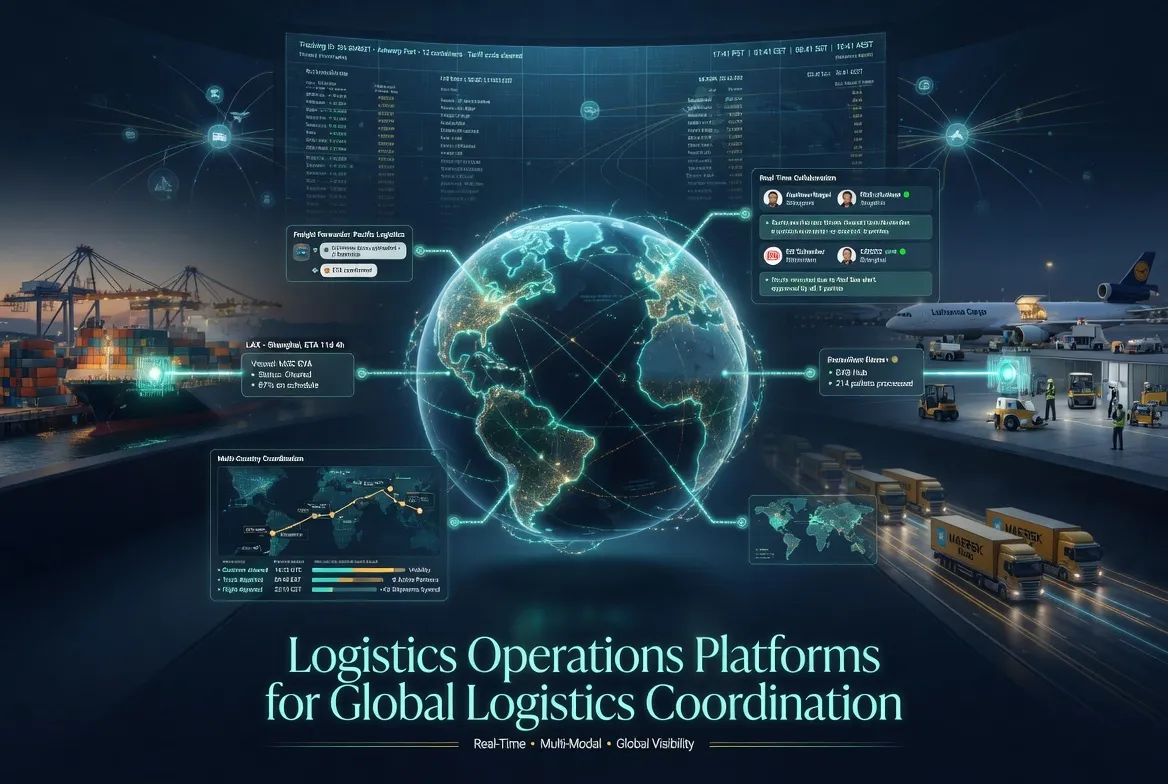
Modern logistics operations control platforms provide centralized tools for managing shipment workflows, transportation coordination, and operational monitoring. By integrating multiple logistics processes into a unified system, these platforms help companies maintain visibility and control across complex supply chain operations.
Centralized Operations Management
One of the primary capabilities of a logistics operations control platform is centralized operational management. Instead of using multiple disconnected tools, logistics teams can manage shipment orders, transportation activities, and operational updates within a single system.
Centralization ensures that all teams work with the same shipment data and operational status. This reduces the risk of information inconsistencies and improves coordination between departments such as sales, operations, customer service, and finance.
A unified operational platform also makes it easier to monitor large numbers of shipments simultaneously.
Multi-Modal Transportation Coordination
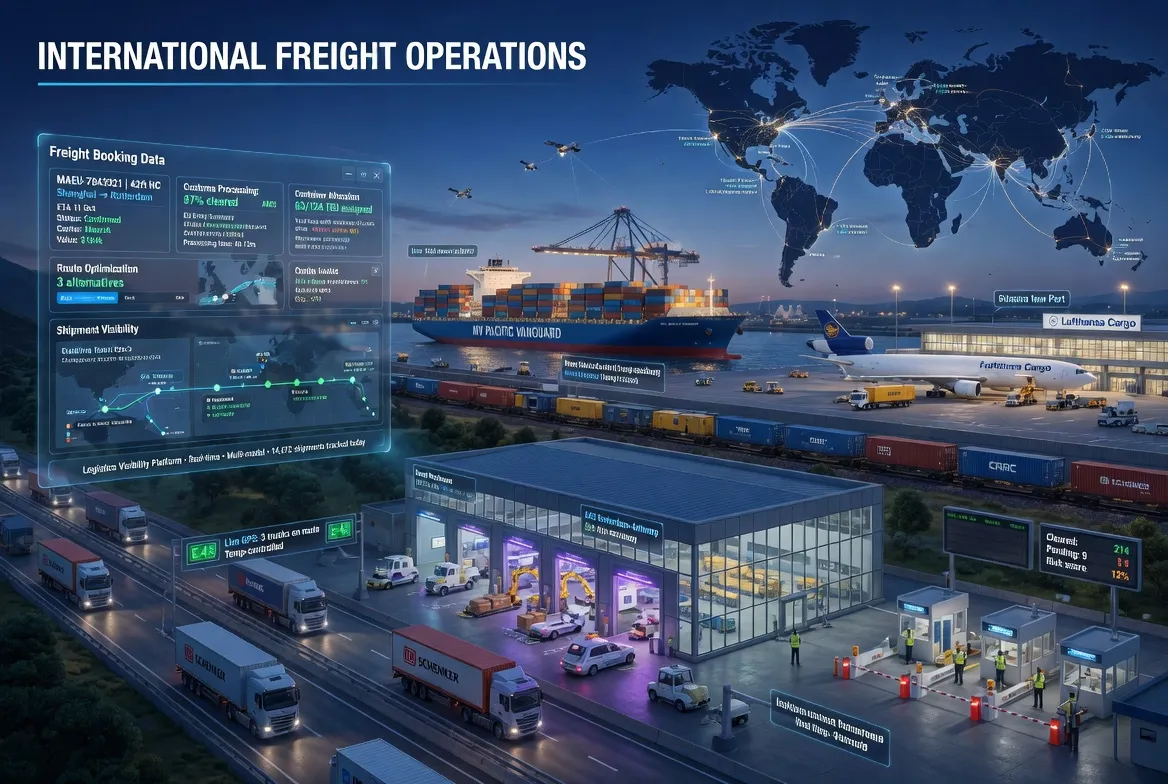
Modern logistics operations often involve multiple transportation methods. A shipment may begin with trucking, move through ocean or air transport, and end with last-mile delivery.
Operations control platforms allow logistics companies to manage these different transportation segments within one workflow. Each stage of the shipment process can be recorded and tracked as part of a unified shipment timeline.
This multi-modal coordination helps logistics teams maintain a complete view of cargo movement across the entire transportation chain.
Real-Time Shipment Visibility
Visibility is a core requirement for modern logistics operations. Control platforms aggregate shipment updates and transportation events from various sources, including carriers, partners, and internal operations.
By collecting this information within one system, logistics companies can monitor shipment progress in real time. Users can track key milestones such as departure, arrival, customs clearance, and delivery.
This visibility helps teams identify potential delays early and respond to operational issues more quickly.
Operational Data Integration
Logistics operations rely on data from multiple systems and partners. Control platforms often integrate with external systems such as enterprise resource planning (ERP) systems, warehouse management systems, carrier tracking platforms, and customer portals.
Through these integrations, operational data can flow automatically between systems. This reduces manual data entry and ensures that shipment information remains consistent across the organization.
Integrated data environments also make it easier to analyze operational performance and identify areas for improvement.
Conclusion
Logistics operations control platforms play an important role in managing modern supply chain activities. By centralizing shipment management, coordinating multi-modal transportation, and improving shipment visibility, these systems help logistics companies operate more efficiently.
As logistics networks become increasingly complex, platforms that provide centralized operational control and data integration are becoming essential tools for managing global logistics operations.
.webp "What Is Logistics System Integration and Why It Matters")