Mar 30,2026
What Is Risk Compliance in Cross-Border Logistics
Introduction
Modern logistics operations are no longer managed by a single system. Instead, they rely on a network of interconnected platforms, tools, and services working together to support complex supply chain activities.
This interconnected environment is known as a logistics technology ecosystem. Companies increasingly adopt this approach to improve efficiency, enhance visibility, and enable seamless collaboration across global logistics networks.
What Is a Logistics Technology Ecosystem?
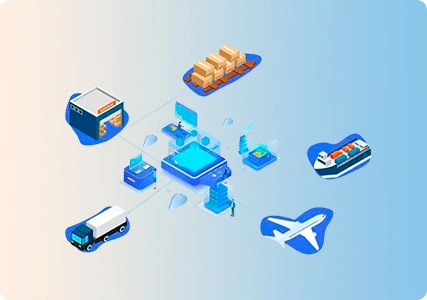
A logistics technology ecosystem is a collection of integrated systems and platforms that work together to support end-to-end logistics operations.
It typically includes:
Freight management systems
Transportation and warehouse systems
ERP and financial platforms
Carrier and tracking integrations
Data and analytics tools
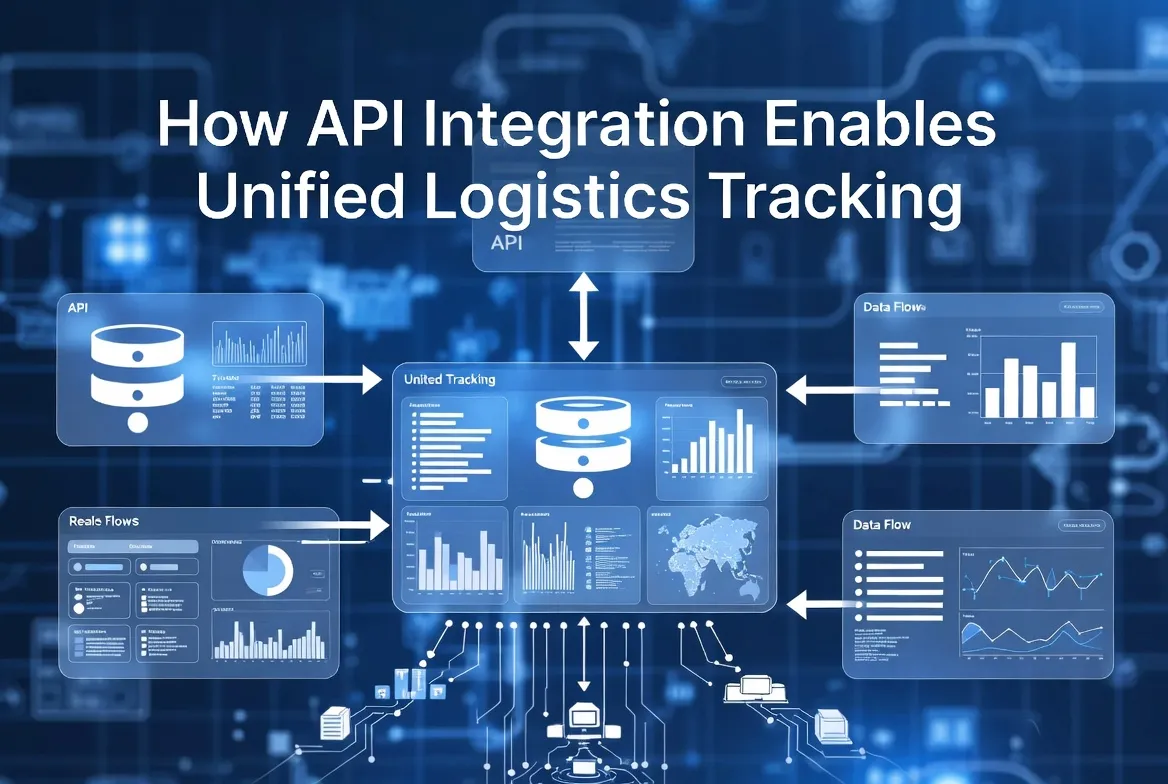
These components are connected through APIs and data interfaces, allowing them to function as a unified operational environment rather than isolated systems.
Why Companies Move Toward Ecosystems
1. Increasing Operational Complexity
Logistics operations involve multiple processes, including transportation, warehousing, customs clearance, and financial management.
No single system can fully address all these requirements. Ecosystems allow companies to combine specialized tools into a cohesive structure that supports complex operations.
2. Need for System Flexibility
Different businesses have unique operational needs. A logistics technology ecosystem enables companies to select and integrate systems that best fit their requirements, rather than relying on a rigid, all-in-one solution.
3. Global Expansion Requirements
As companies expand into new markets, they need to connect with regional carriers, partners, and regulatory systems. Ecosystems make it easier to integrate new services and adapt to different market conditions.
4. Demand for Real-Time Data and Visibility
Customers and operations teams require accurate, real-time information. Ecosystems enable data synchronization across multiple systems, providing a unified view of operations.
For example, tracking data from different carriers can be aggregated into a single timeline, improving visibility across the entire shipment lifecycle.
How Logistics Technology Ecosystems Work
1. Integration Through APIs and Data Interfaces
At the core of a logistics ecosystem is system integration.
APIs and EDI connections allow different platforms to:
Exchange shipment data
Synchronize status updates
Share operational information in real time
This eliminates manual data transfer and ensures consistency across systems.
2. Centralized Data Layer
Although multiple systems are involved, data is often centralized or synchronized into a unified layer.
This allows companies to:
Maintain a single source of truth
Access consistent data across departments
Generate unified reports and analytics
3. Modular System Architecture
Ecosystems are typically built using a modular approach.
Each system handles a specific function, such as:
Order management
Transportation execution
Warehouse operations
Financial processing
These modules can be added, replaced, or upgraded without disrupting the entire system.
4. Workflow Coordination Across Systems
Logistics ecosystems enable workflows that span multiple systems.
For example:
An order created in an ERP system is automatically pushed to a logistics platform
Shipment updates are synchronized with customer-facing systems
Financial data is transferred to accounting systems
Automation ensures that these workflows operate smoothly across different platforms.
Key Benefits of Logistics Technology Ecosystems
Improved Operational Efficiency
Integration reduces manual data entry and streamlines workflows, enabling faster and more efficient operations.
Enhanced Visibility
By consolidating data from multiple sources, ecosystems provide a comprehensive view of shipment status and operational performance.
Greater Flexibility
Companies can choose and integrate systems based on their specific needs, allowing for greater customization.
Scalability
Ecosystems can grow with the business, supporting new markets, partners, and operational requirements.
Better Collaboration
By connecting all stakeholders within a shared environment, ecosystems improve communication and coordination.
Common Use Cases
1. Freight Forwarding Operations
Freight forwarders use ecosystems to connect order management, transportation tracking, and financial systems, enabling seamless operations across departments.
2. Cross-Border eCommerce Logistics
Ecosystems support integration with eCommerce platforms, last-mile delivery networks, and customs systems, ensuring efficient order fulfillment.
3. 3PL and Warehouse Management
Third-party logistics providers integrate warehouse systems with transportation and customer platforms to manage inventory and shipments effectively.
4. Global Supply Chain Coordination
Large enterprises use ecosystems to coordinate operations across multiple regions, partners, and business units.
Best Practices for Building a Logistics Technology Ecosystem
1. Prioritize Integration Capabilities
Select systems that support open APIs and flexible integration to ensure seamless connectivity.
2. Define Clear Data Standards
Establish consistent data formats and structures to maintain accuracy across systems.
3. Use a Central Platform for Coordination
Implement a core logistics platform to act as the central hub for managing workflows and data.
4. Ensure Scalability
Choose solutions that can support future growth and adapt to changing business needs.
5. Monitor and Optimize Continuously
Regularly evaluate system performance and refine integrations and workflows.
Challenges to Consider
Integration Complexity
Connecting multiple systems can be technically challenging and requires careful planning.
Data Consistency
Ensuring consistent data across systems requires strong governance and validation processes.
Change Management
Adopting a new ecosystem may require organizational changes and user training.
Conclusion
Logistics technology ecosystems are essential for managing modern supply chains. By integrating multiple systems into a unified environment, companies can improve efficiency, enhance visibility, and support scalable growth.
As logistics operations continue to evolve, businesses that adopt ecosystem-based approaches will be better positioned to handle complexity, adapt to change, and deliver high-quality logistics services in a competitive global market.