
Apr 09,2026
Why Compliance Matters in Cross-Border Logistics
Introduction
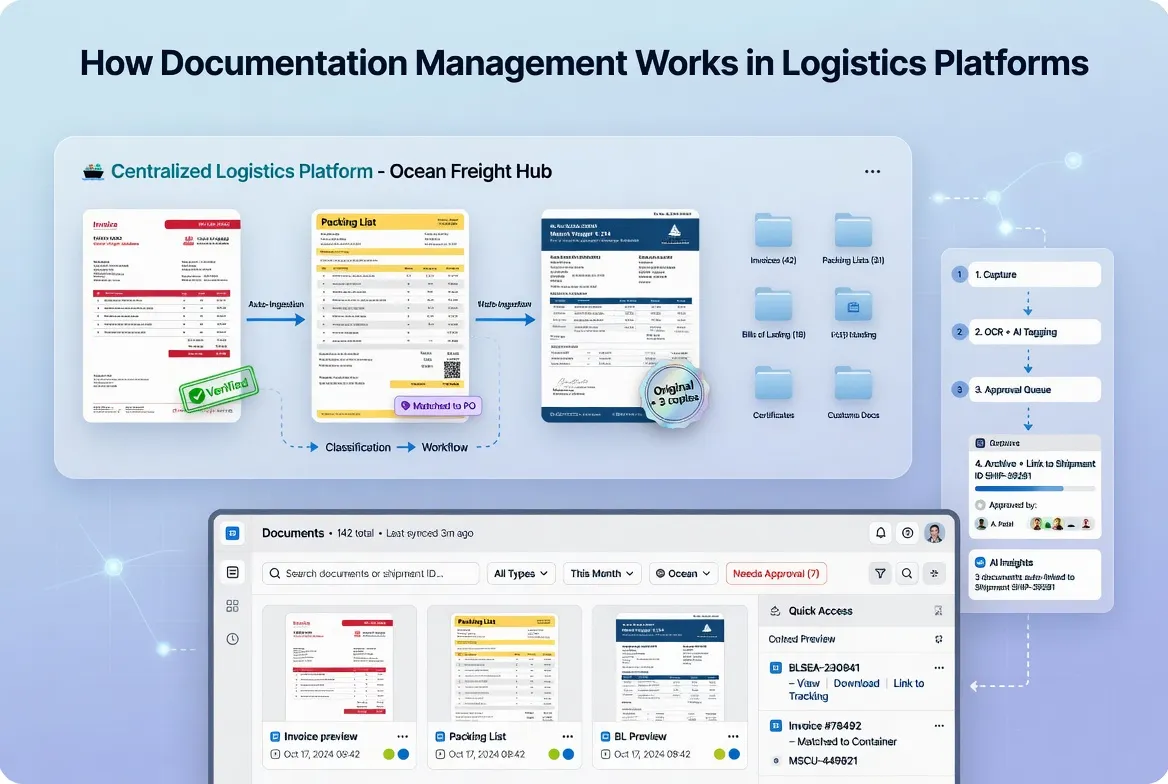
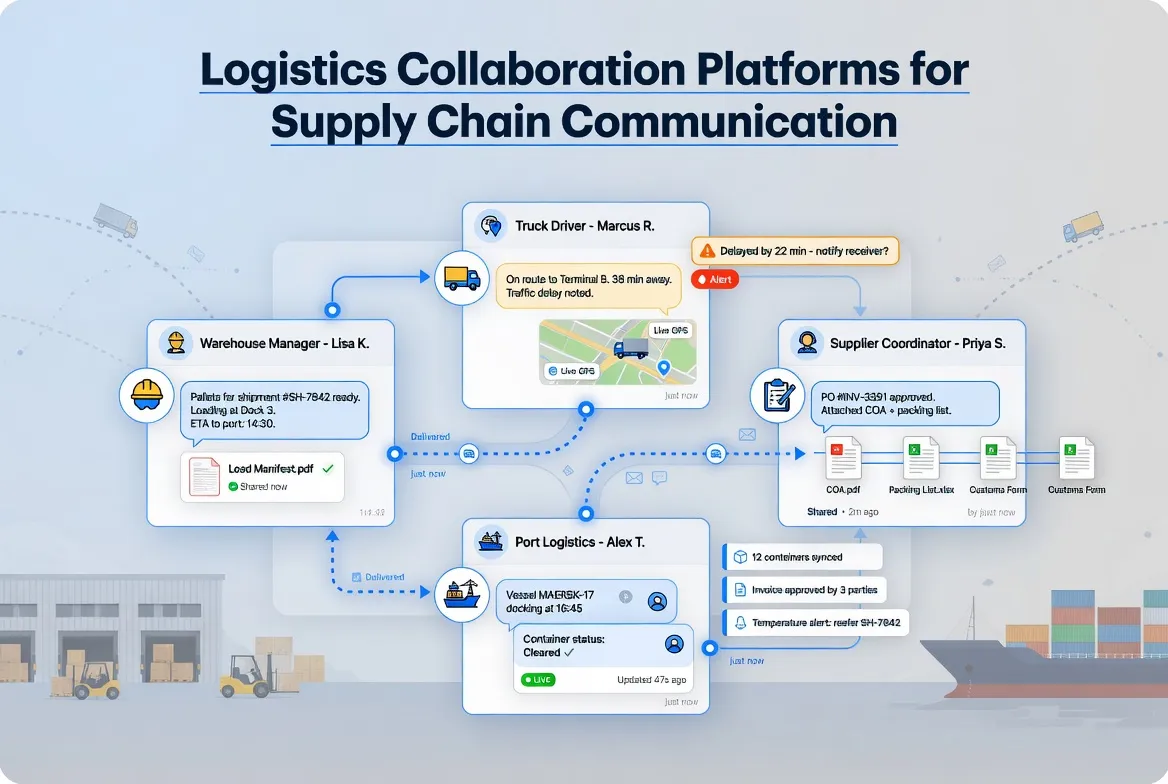
Operational collaboration in logistics refers to the ability of multiple teams and partner companies to coordinate shipment activities through shared information and structured workflows. Modern logistics platforms enable this collaboration by centralizing operational data, allowing participants to access shipment information, update milestones, and coordinate tasks within the same system.
What Is Operational Collaboration in Logistics?
Operational collaboration occurs when different teams and organizations involved in logistics operations work together to complete shipment processes. These participants may include freight forwarders, carriers, warehouses, customs brokers, and local agents.
Because each partner handles a specific part of the transportation process, collaboration is necessary to ensure that shipments move smoothly from origin to destination.
Traditionally, logistics collaboration relied heavily on emails, phone calls, and spreadsheets. While these tools can support communication, they often lead to fragmented information and inefficient coordination as shipment volumes grow.
Modern logistics platforms solve this problem by providing structured digital environments where collaboration can occur more efficiently.
Why Operational Collaboration Is Important
Global logistics operations involve many interconnected steps. A shipment may move through multiple warehouses, transportation segments, and regulatory processes before reaching its destination.
Without effective collaboration, logistics teams may experience delays in information sharing, operational misunderstandings, or inconsistent shipment data.
Operational collaboration improves logistics performance by ensuring that all participants have access to consistent information and clearly defined workflows. This allows teams to coordinate tasks more effectively and respond faster to operational changes.
How Modern Logistics Platforms Support Collaboration
1. Shared Operational Data
Modern logistics platforms allow multiple stakeholders to access shipment information through a shared system. Orders, shipment details, and operational updates are stored in a centralized database.
This ensures that all participants work with the same information throughout the logistics process.
2. Role-Based System Access
Operational collaboration platforms typically provide role-based access controls. Different participants—such as customers, operators, warehouse staff, or logistics partners—can access specific functions based on their responsibilities.
This structured access improves data security while supporting efficient collaboration.
3. Real-Time Shipment Updates
Digital logistics platforms capture operational events in real time. Milestones such as cargo pickup, warehouse processing, customs clearance, and delivery are recorded within the system.
Real-time updates allow logistics teams to monitor shipment progress and coordinate operational activities more effectively.
4. Integrated Communication and Task Coordination
Some logistics platforms also support task management and operational notifications. Teams can receive alerts about shipment updates, exceptions, or required actions.
This helps ensure that responsibilities are clearly assigned and operational tasks are completed on time.
Benefits of Platform-Based Collaboration
Modern logistics platforms deliver several benefits for operational collaboration.
First, they improve operational efficiency. Teams can coordinate tasks through a shared system rather than exchanging information manually.
Second, shipment visibility increases because operational data is recorded consistently across different transportation stages.
Third, collaboration platforms reduce operational errors. Standardized data structures and workflows help ensure that shipment information remains accurate.
Finally, these platforms support scalable logistics operations. As companies expand their partner networks and shipment volumes increase, digital collaboration systems allow them to manage operations more effectively.
Best Practices for Implementing Collaborative Logistics Platforms
Companies implementing logistics collaboration platforms should follow several best practices.
Organizations should first define standardized operational workflows so that teams and partners follow consistent procedures within the platform.
System integration is also important. Logistics platforms should connect with transportation systems, warehouse systems, and external tracking tools to ensure complete operational visibility.
Training and adoption are equally critical. Operational teams and logistics partners must understand how to use the platform effectively in order to achieve full collaboration benefits.
Conclusion
Operational collaboration is essential for managing modern logistics networks. As shipments move across multiple transportation segments and service providers, coordination between participants becomes increasingly complex.
Modern logistics platforms enable this coordination by providing shared data environments, real-time shipment visibility, and structured workflows. By supporting efficient collaboration between logistics partners and operational teams, these platforms help companies manage global logistics operations more effectively.